


If you want to know how to start a gardening business from home with no experience, I can tell you exactly how, because I did it myself with nothing but a few hand tools and a willingness to work.
If you visited my Dream Garden in Kratie province today, you would see vibrantly colored flowers in full bloom. You would see circular garden beds built from bricks standing on end, painted in shades that match the flowers and the row of colorful little vacation cottages behind them.

You might assume all of this started with expensive equipment, years of business experience, and a smooth, easy path. It did not.
Here is the real story behind that garden and the exact system I used to build it from scratch.
Key Takeaways
- No horticulture degree required: Begin with “sweat equity” services like weeding, yard cleanup, and mulching.
- Hyper-local focus: Keep your service area within your own neighborhood so unpaid drive time does not eat your profit.
- Avoid debt: Skip the loans and big equipment. Sturdy hand tools are enough to land your first clients.
- Quote flat rates: Charge clients a flat rate, but calculate it privately using a base hourly wage plus a beginner’s buffer.
- Learn on the job: Use plant identification apps to turn paid weeding time into a crash course in plant care.
How I Built a Gardening Business From Home With No Experience (5 Simple Steps)
Back in 2015, I had zero background in horticulture and no real business experience. What I had was time, a strong back, and a small neighborhood full of people who did not want to spend their Saturday pulling weeds. That was enough to start.
Below are the five decisions that made the difference between struggling for years and actually turning this into a working business.
1. Start With Sweat Equity, Not Specialized Skills
When you are just getting started, offer services that require physical labor and time rather than specialized plant knowledge.
Think weed pulling, yard cleanup, hauling yard waste, and applying mulch. This is the foundation of any profitable yard cleanup service.
I could not charge premium rates back then because I was not an expert, but I quickly learned that people are happy to pay for hard physical work.
Most homeowners are simply tired of pulling weeds themselves or lifting heavy bags of fertilizer.
Staying away from complicated tasks like pruning fruit trees or designing flower beds helps protect you from accidentally damaging a client’s plants while you are still learning.
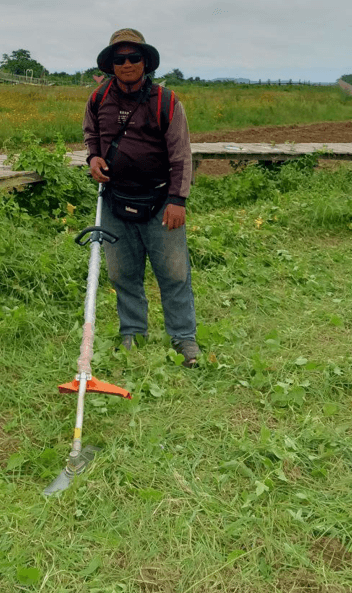
When a client once asked me to prune her rose bushes, I turned it down honestly: “My expertise right now is in weeding, vine removal, and basic cleanup, so I do not want to risk damaging your valuable plants.” Clients respected that honesty far more than if I had guessed and gotten it wrong.
2. Keep Your Service Area Hyper-Local
One of the biggest mistakes new gardeners make is spreading themselves across an entire city. Keep your service area within a small radius, ideally your own commune, village, or the streets right around your home.
Drive time between jobs is unpaid time, and it adds up fast. Early on, I lost a good chunk of my profit driving thirty minutes across town for a job worth only 200,000 Riel (about $50).
Once I stuck to nearby routes, my fuel costs dropped close to zero, my billable hours went up, and neighbors started seeing me out working.
Skip the broad social media ads targeting the whole city. I printed simple flyers and handed them to clients nearby.
Since Facebook is popular in the provinces, I also posted in local community groups with a simple introduction: “Hello neighbors, I live on Street 34 Reaksmey Pkay, and I am starting a local yard cleanup service.
I am currently taking on 5 clients within a 3-kilometer radius.” That single post brought in more steady work than I expected.
3. Buy Hand Tools, Not a Truck
Do not take out a loan for a pickup truck, a trailer, or an expensive lawnmower before you have a single client.
Start with durable hand tools and your own personal vehicle. This is how you avoid going into debt on day one.
Overhead debt is the number one killer of new home-based businesses. Hand tools offer a strong return on investment and rarely break down mid-job.
I went to a local hardware store and spent about 600,000 to 800,000 Riel ($150 to $200) on the essentials: safety goggles, quality pruning shears, a heavy-duty metal rake that I customized myself, a weeding knife, thick leather gloves, and heavy-duty trash bags. I used the trunk of my own car to haul everything.
4. Pricing Your Work: The Flat Rate Strategy
Give clients a flat-rate quote for the whole project, but calculate that number privately by estimating how many hours the job will actually take you. Getting this wrong is what puts people out of business in the first few months.
Clients dislike hourly pricing because they worry you will work slowly to run up the bill. A flat rate gives them peace of mind.
Here is exactly how I structure my quotes behind the scenes:
| Pricing Step | Example Calculation |
| 1. Set Minimum Hourly Wage | $35 / hour (approx. 140,000 Riel) |
| 2. Estimate Job Time | 3 hours of active weeding/cleanup |
| 3. Add Beginner’s Buffer | 1 hour (always over-estimate time) |
| 4. Calculate Final Flat Rate | 4 hours x $35 = $140 Total |
Then, I tell the client something simple and clear: “I can completely clean up and prep this garden bed for a flat rate of 560,000 Riel, or $140.” No surprises, no confusion, and I still get paid fairly.
5. Treat Every Job as Paid Education
This has been the single most valuable lesson from building this business: use your hands-on time in a client’s garden to actively learn while you are getting paid to be there.

Working directly with real soil, weeds, and plants taught me far more than any book could. Today, you do not even need to carry a journal to identify plants. Use a free plant identification app on your phone, like Google Lens or PictureThis.
While you are pulling weeds, scan the plants in your client’s yard. When you get home, look up how to properly care for them. Within a few months, you will have enough knowledge to start offering higher-paying maintenance services.
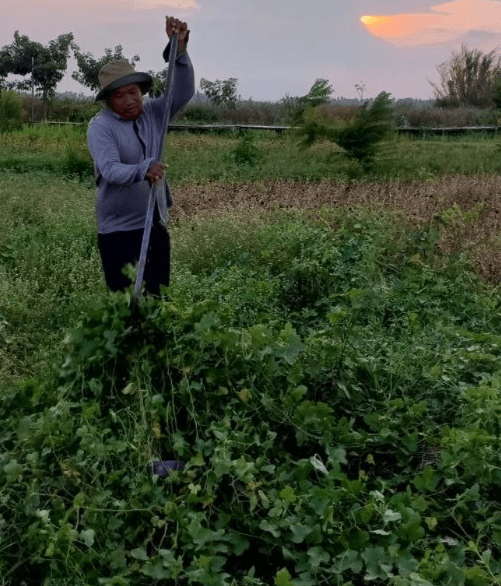
Final Thoughts: Start Your Gardening Business Today
That is the full story behind how I built this business from zero experience into the Dream Garden you see in Kratie province today.
It started with sweat equity, a small service area, basic tools, honest pricing, and a willingness to learn on the job. Pick one neighbor, one small task, and one fair price, and begin from there.
Frequently Asked Questions
Do I need experience to start a gardening business?
No, you do not need specialized plant knowledge to start. You can begin immediately with sweat equity services like weeding, yard cleanup, and mulching. As you work, you can build your plant knowledge gradually using plant identification apps, eventually adding higher-skill services to your business.
How much should I charge for beginner yard work, and should it be hourly or a flat rate?
Most clients prefer a flat rate because it gives them price certainty. However, you should calculate that flat rate privately using a baseline of 30 to 40 dollars an hour. Always add a small time buffer to your estimate, as beginners tend to underestimate how long a physical job will actually take, then present the client with a single, simple number.
What equipment do I need to start a gardening business?
You only need basic hand tools and your personal vehicle to get started. Expect to spend between 150 and 200 dollars on essentials like pruning shears, a heavy-duty metal rake, a weeding knife, thick gloves, safety goggles, and contractor trash bags. You do not need to take out a loan for a truck or a trailer.
How do I get my first gardening clients?
Start by targeting a small radius within your own neighborhood. Hand out simple flyers to neighbors you already know and post in local community Facebook groups. By keeping your service area small, you eliminate unpaid drive time and allow your reliable work to generate local word-of-mouth referrals.
