


Attracting growth is never a matter of luck. It happens when you turn yourself into a magnet, fully prepared to seize opportunity the moment it appears. If you are wondering how to attract growth in a garden business, the real answer has less to do with soil and more to do with mindset.
Do you see it? My boutique leisure cabins stand in a row like a small rainbow, framed by an abundant, natural spread of ornamental flowers blooming across Dream Garden. All of it started with nothing more than plain hardscape bricks, set vertically in the dirt.

People who consistently attract success are the ones who cultivate their inner value, their emotional maturity, and their capacity for clear, strategic thinking.
Key Takeaways
- Emotional regulation during a crop failure protects your decisions and builds trust with partners.
- Root cause thinking turns hidden problems (like soil drainage) into workable solutions.
- A daily discipline routine keeps a garden business moving even without motivation.
- Boutique cabin ideas and small value additions help a garden business stand out.
- Continuous learning keeps a garden business adaptable as the industry shifts.
How to Attract Growth in a Garden Business: 5 Strategies That Worked for Me
Below are five strategies that helped turn Dream Garden into a business that opportunities and growth naturally gravitate toward.
1. Master Emotional Regulation: How I Recovered From a Failed Garden Business
Growth is always accompanied by challenges and pressure. When I first launched Dream Garden, just three months into the planting phase, extreme weather decimated the entire floral crop. I was left with nothing but the hardscape infrastructure.
I was devastated and faced a multitude of problems, but I refused to be defeated. I did not let those heavy emotions suppress me. Instead, I sat down, restructured the brick edging, and formulated an entirely new landscaping strategy.
People who attract opportunities never let their emotions dictate business decisions. When you keep your composure during turbulent situations, others feel confident investing in or collaborating with you.
2. Apply Strategic and Rational Thinking: How to Find the Root Cause of a Failing Garden Business
Massive opportunities often hide behind the problems other people overlook. Instead of blindly following industry trends, I ask critical questions, analyze the root cause of the issue, and look for creative, actionable solutions.
When I analyzed our massive crop failure, I realized the issue wasn’t just “bad weather.” The root cause was a combination of improper fertilizer application and poor soil drainage. Because I was negligent about maintenance during our first three months, I applied a heavy synthetic NPK fertilizer in extreme tropical heat.
This caused severe fertilizer burn. When the heavy rainy season followed, our flat, heavy native clay soil turned into standing mud, suffocating the roots and causing root rot.
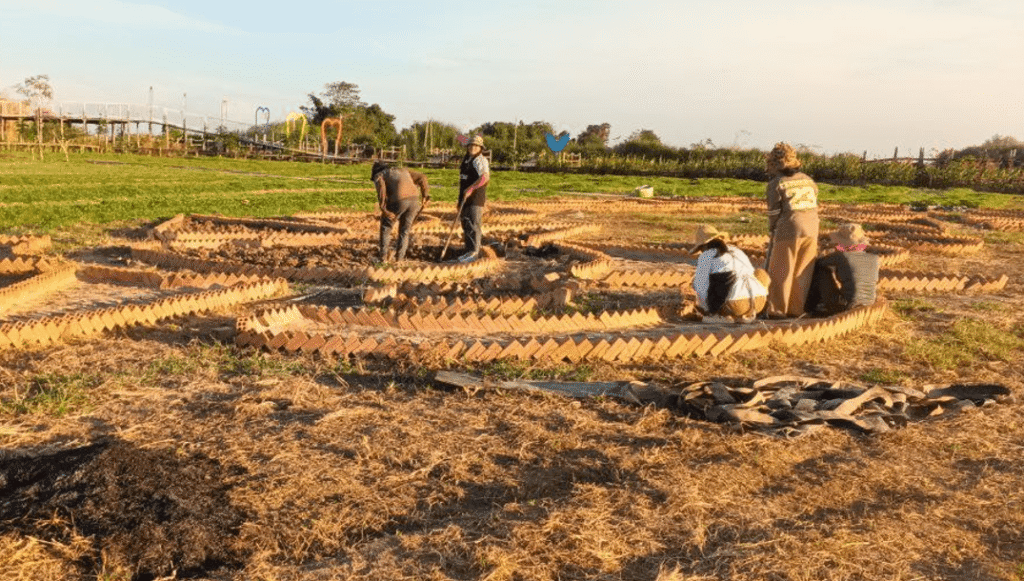
To fix this, we didn’t just plant new seeds; we fundamentally changed our landscaping strategy. We excavated the area, amended the soil with coarse sand and perlite for aeration, and constructed raised brick beds so excess monsoon water would flow away from the root zones.
If you want the exact soil pH requirements, fertilizer strategies, and the story of the single flower that survived this disaster, read my full technical breakdown on Sunflower Symbolism and Resilience.
By identifying the specific horticultural failures, we engineered a permanent solution. This kind of rational, strategic thinking will make you stand out in a business or career.
3. Build a Daily Discipline Routine for a Garden Business
Setting goals is excellent, but what drives real, sustainable growth is your daily operational system. Look at the physical labor involved: excavating planting beds under the sweltering heat is exhausting.
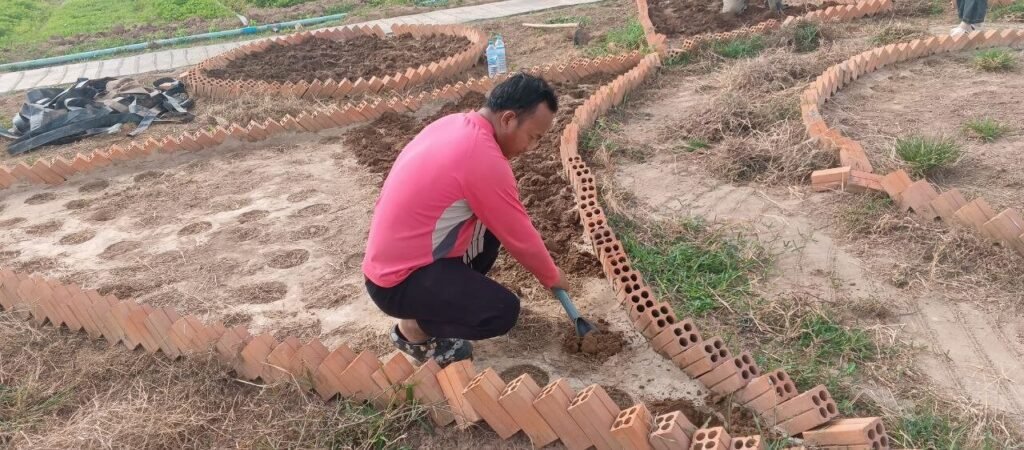
Without strict discipline, this vision would never have materialized. Establishing precise routines, daily operational tasks, time management, and financial oversight serves as an automated engine pushing you forward, even on days when motivation runs dry.
4. Focus on Delivering Developmental Value: Boutique Cabin Ideas for a Garden Business
Success naturally gravitates toward elite problem solvers. Instead of asking what I get out of this, shift your mindset to ask what value I can provide.
In the beginning, the simple brick hardscaping I built looked quite ordinary. To keep Dream Garden developing and looking its best, we built small boutique leisure cabins. Instead of standard exterior paint, we used a dynamic, rainbow-inspired color palette.

We also custom-painted the brick borders in vibrant hues that harmonize with the natural surroundings. The more utility and value you provide, the faster wealth and a strong reputation will find you.
5. Maintain a Continuous Learning Mindset: Why Continuous Learning Matters in a Garden Business
The world evolves fast, and so do agricultural methods. Never act like a glass that is already full. For example, to build those curved brick borders and fix our soil drainage, I had to spend my evenings studying masonry techniques and soil aeration methods specific to the heavy monsoon rains of Kratie Province Province.
Maintain your curiosity and stay willing to adapt your skills, so you are never left behind
Bringing It Together
Learning how to attract growth in a garden business comes down to the same five habits: staying steady under pressure, thinking through root causes, keeping a daily discipline routine, delivering real value like the boutique cabins at Dream Garden, and staying curious. None of it happened by luck.
It happened by building the mindset first and letting the flowers and the growth follow.
Frequently Asked Questions
What causes a garden business to fail after a crop is lost?
In our case, extreme weather destroyed the floral crop just three months into the planting phase, leaving only the hardscape infrastructure standing.
How do you stay motivated after a garden business setback?
Give yourself room to feel the loss, then act. We sat down, restructured the brick edging, and built a new landscaping strategy instead of staying stuck in the setback.
What daily habits help a garden business succeed?
A repeatable system of daily operational tasks, time management, and financial oversight keeps a garden business moving forward even when motivation is low.
How can a small garden business add value without a big budget?
Small, distinctive touches work. At Dream Garden that meant boutique leisure cabins painted in a rainbow palette and hand-painted brick borders instead of standard finishes.
Why is continuous learning important for garden business owners?
The industry keeps changing. Staying curious and adapting to new information keeps a garden business from falling behind.
