

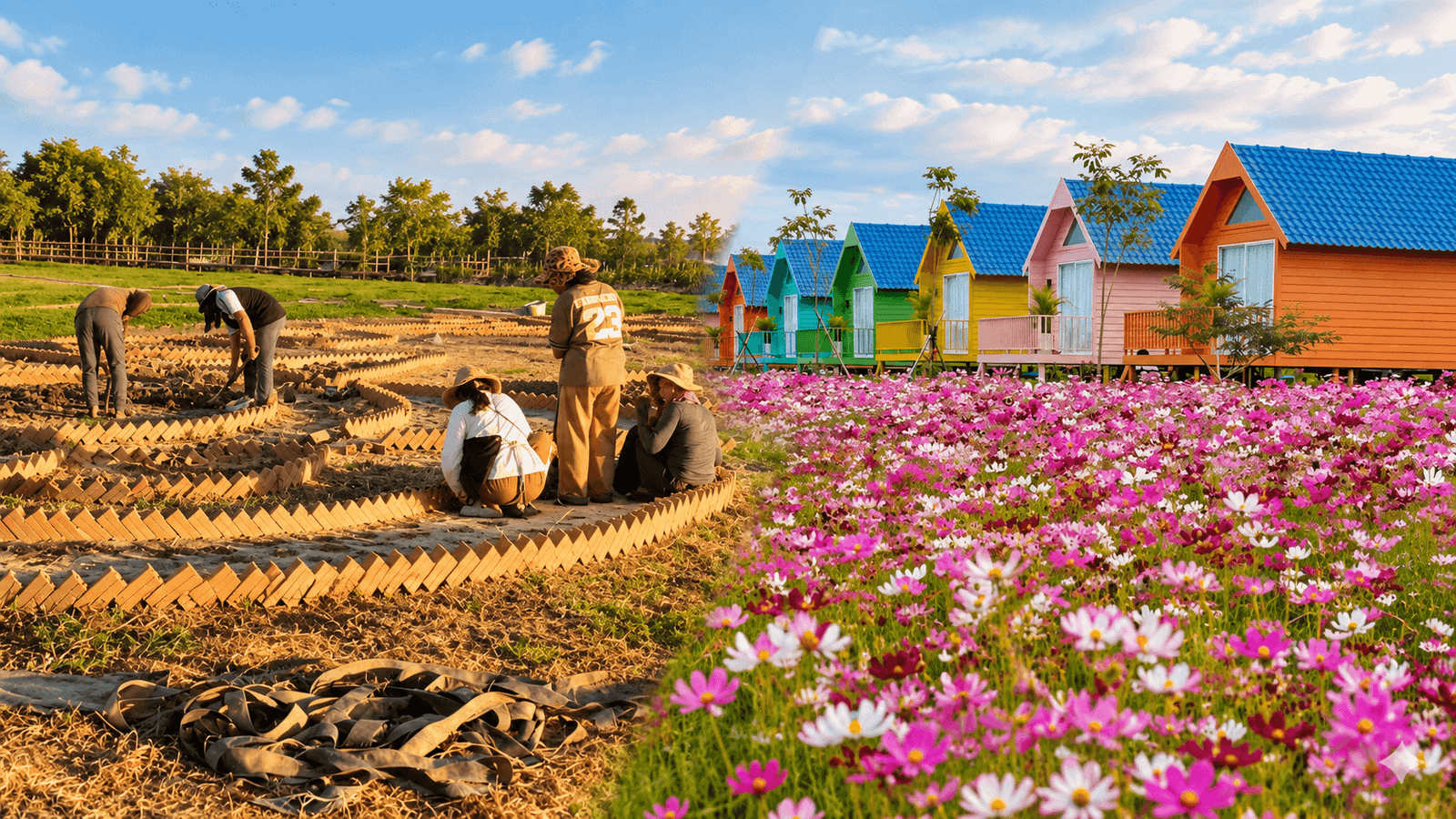
By 2021, my garden venture, Dream Garden—a landscaping and floral destination—had failed. I had spent the entire run trying to do everything myself, and when I decided to try again, I knew one thing for certain: I would never build a business alone a second time.
Learning how to choose a business partner for a garden business became the single most important lesson from that failure, more important than any marketing decision I made along the way.
After two years of entrepreneurship training and an honest analysis of what went wrong, I relaunched Dream Garden in 2023. I knew I couldn’t repeat the same patterns. My mindset had to change, and so did the way I operated day to day.
Three months into the relaunch, operations were stalling again. I was single-handedly managing finance, marketing, and the ongoing development of the business.
Every task, every idea, and every decision rested on my shoulders alone, with no one to challenge my thinking. That was the moment I realized I needed a business partner, not another employee.
This is the story of how I found the two partners who helped me rebuild Dream Garden, what I looked for in each of them, and the advice I would give anyone facing the same decision today.
Key Takeaways
- Blind spots cause failure: A solo founder’s blind spots, not lack of effort, caused Dream Garden’s first failure.
- Look beyond job boards: Co-founders are usually found through mentors and networks, not traditional hiring platforms.
- Test before you build: Testing a big idea cheaply beats building it outright—five tents proved out a tiny homes concept before any construction began.
- Document everything: Put equity, authority, and exit terms in writing before problems appear, not after.
Why Solo Founders Burn Out Running a Garden Business Alone
Looking back at my two earlier failures, being the only decision-maker wasn’t just exhausting. It created blind spots I couldn’t see from the inside.
There was no one to critique my ideas or push back before a bad call turned into a serious financial loss.
This is exactly why solo founders burn out, even when they’re working harder than anyone else around them.
The Bridge of Paradise Decision I Couldn’t Make Alone
I remember planning a 900-meter continuous wooden bridge called the Bridge of Paradise. Building it alone would have drained nearly all my funds, and I had no one to help me think it through.

Should I halt construction or push forward? Should the bridge and the flower planting happen at the same time? How should the landscaping be designed so something would be blooming year-round? Wrestling with those questions alone was mentally exhausting.
Read full story: How to Keep a Flower Attraction Blooming Year-Round in a Tropical Climate
I realized then that two or three different perspectives analyzing the same problem would have led to a far better outcome than anything I could reach on my own.
How to Find a Co-Founder for a Small Business When There’s No Job Board
Unlike hiring an employee, there is no job board for finding a co-founder. Learning how to find a co-founder for a small business meant looking in places I never expected.
After completing an entrepreneurship program in Battambang province, I sat down for coffee with a professor from the University of Management and Economics (UME) to walk through the entire timeline of my earlier failure.
Turning a Mentor Into a Business Partner
At first, he was simply a mentor. By the fourth month of the 2023 relaunch, I asked him about a formal partnership, and he turned me down twice. Then, in the fifth month, he visited Dream Garden himself to do his own on-site assessment.
By the end of that month, after studying the business scale, the competitive landscape, and the market opportunity in front of us, he finally agreed to come on board.
What to Look For in a Business Partner
I wasn’t simply looking for someone with capital or spare time. Deciding what to look for in a business partner meant being honest about my own blind spots, since those blind spots were what had caused the previous collapse. I needed someone who could see the high-level strategy I couldn’t.
Partner One: Testing Ideas Before Spending Money
My first partner was the UME professor, and his strengths paid off almost immediately. I wanted to jump straight into building our Tiny Homes. Instead, he urged me to test the concept first, using five basic tents.
Read full story: Ground Tents vs Raised Tiny Homes for Tropical Glamping
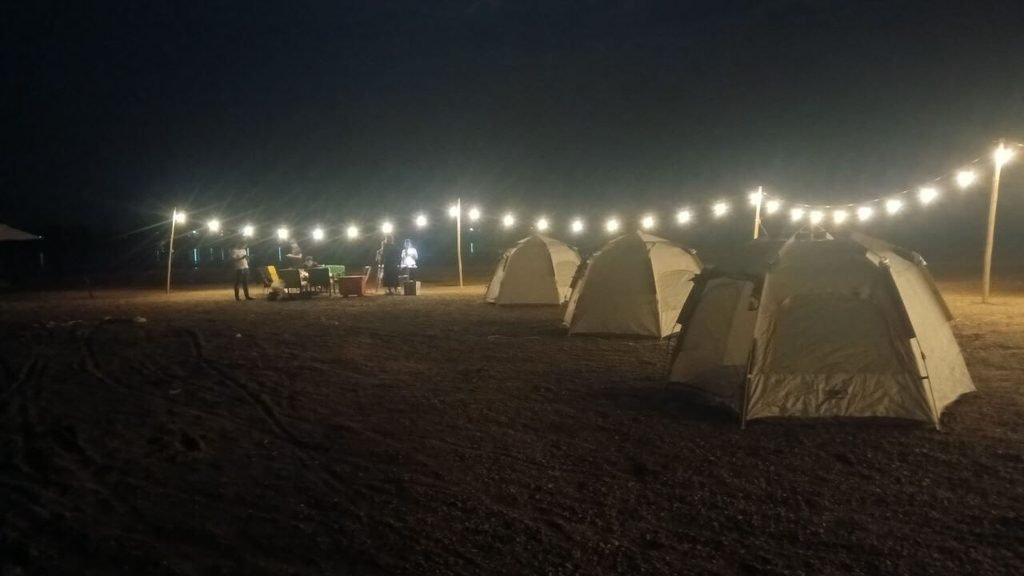
That kind of consultant-driven intuition, acting on data instead of impulsive emotion, was exactly what I had lacked as a solo founder.
We ran Dream Garden together for ten months. As the business grew, so did the demands of managing staff, overseeing expansion, and allocating finances properly across every department.

Partner Two: Financial Management From Real-World Experience
We needed genuinely effective financial management backed by real-world experience, not guesswork.
My partner recommended a Chief Teller from Canadia Bank Plc who also had experience as a business co-founder. I met with her to talk through our operational bottlenecks.
She didn’t agree right away, but she didn’t turn us down either. After my partner met with her a second time to walk through a full breakdown of Dream Garden’s operations, she signed a partnership agreement in the eleventh month.
How to Divide Decision-Making With a Business Partner
Moving from one decision-maker to three took real personal adjustment. I was no longer isolated, but I also couldn’t act on whatever idea came to mind on a whim.
Figuring out how to divide decision-making with a business partner meant building a system, not just trusting instinct.
Today, before we start any new project or structural addition, it has to pass through two filters: strategic review and financial approval. Both partners have to sign off before anything moves forward.
That structure slows things down slightly, but it also means no single person can commit the business to a decision the others haven’t stress-tested first, which is exactly the gap that hurt Dream Garden the first time around.
What to Put in a Business Partnership Agreement
No matter how well you know someone personally, a garden and landscaping business involves real assets: capital, land, and physical labor.
That makes it essential to know what to put in a business partnership agreement before problems show up, even when those early conversations feel uncomfortable.
Before the three of us moved forward together, we documented everything that mattered: equity distribution, decision-making authority, and clear exit strategies. Nothing was left to a handshake.
Business Partner vs. Employee for a Garden Business
It helps to be clear about the difference before you start looking. An employee, no matter how skilled, executes decisions you’ve already made and gets paid regardless of outcome. A business partner shares the risk, the equity, and the consequences of every call, good or bad.
Read full story: How to Hire and Train Seasonal Staff for a Flower Attraction or Glamping Business
That distinction matters most in a garden or landscaping business, where decisions involve real capital tied up in land, materials, and labor.
Hiring more staff can fix a labor shortage. It can’t fix the absence of a second or third mind weighing in before a costly decision gets made.
Signs You Need a Business Partner, Not an Employee
If you recognize the patterns below, it might be time to think about a genuine partner rather than another hire:
- Isolated Risk: You keep making high-risk decisions alone with no one to challenge or refine your thinking.
- Skill Gaps: You lack skills needed to scale, like strategic foresight, financial management, or long-term planning, beyond the day-to-day labor.
- Financial Burden: You are carrying 100 percent of the business’s financial risk by yourself.
- Burnout: You are exhausted from trying to be the sole expert across every department of the business.
How to Choose a Business Partner for a Garden Business: The Bottom Line
Choosing a business partner isn’t about finding someone who agrees with you all the time. It’s about finding people who can see the parts of the business you miss, and who have the nerve to push back when your thinking is off.
That shift is what turned Dream Garden from a struggling solo project into the business it is today.
If you’re facing the same crossroads I was, take the pattern seriously. The right partner won’t just lighten your workload. They’ll catch the mistakes you can’t see coming.
Frequently Asked Questions
How do I know if I need a co-founder instead of just hiring more staff?
If you’re the only person making high-stakes calls, carrying all the financial risk, and burning out trying to cover every department yourself, that points to a partner, not an employee. An employee executes your decisions. A partner shares the risk and challenges your thinking.
Where do you actually meet a potential business partner?
Rarely on a job board. Mentors, professors, entrepreneurship programs, and people already inside your industry are far more likely sources than any public listing.
How long should you know someone before offering a partnership?
There’s no fixed number, but testing the relationship through real work matters more than time alone. In this story, one partner took five months and an on-site business assessment before agreeing.
What should be written into a partnership agreement before you start?
At minimum, equity distribution, decision-making authority, and exit strategies. Skipping this because you trust someone personally is one of the more common early mistakes.
How do partners avoid gridlock when there are multiple decision-makers?
Build a defined process instead of relying on instinct. In this case, every new project has to pass through two filters, strategic review and financial approval, before it moves forward.
