

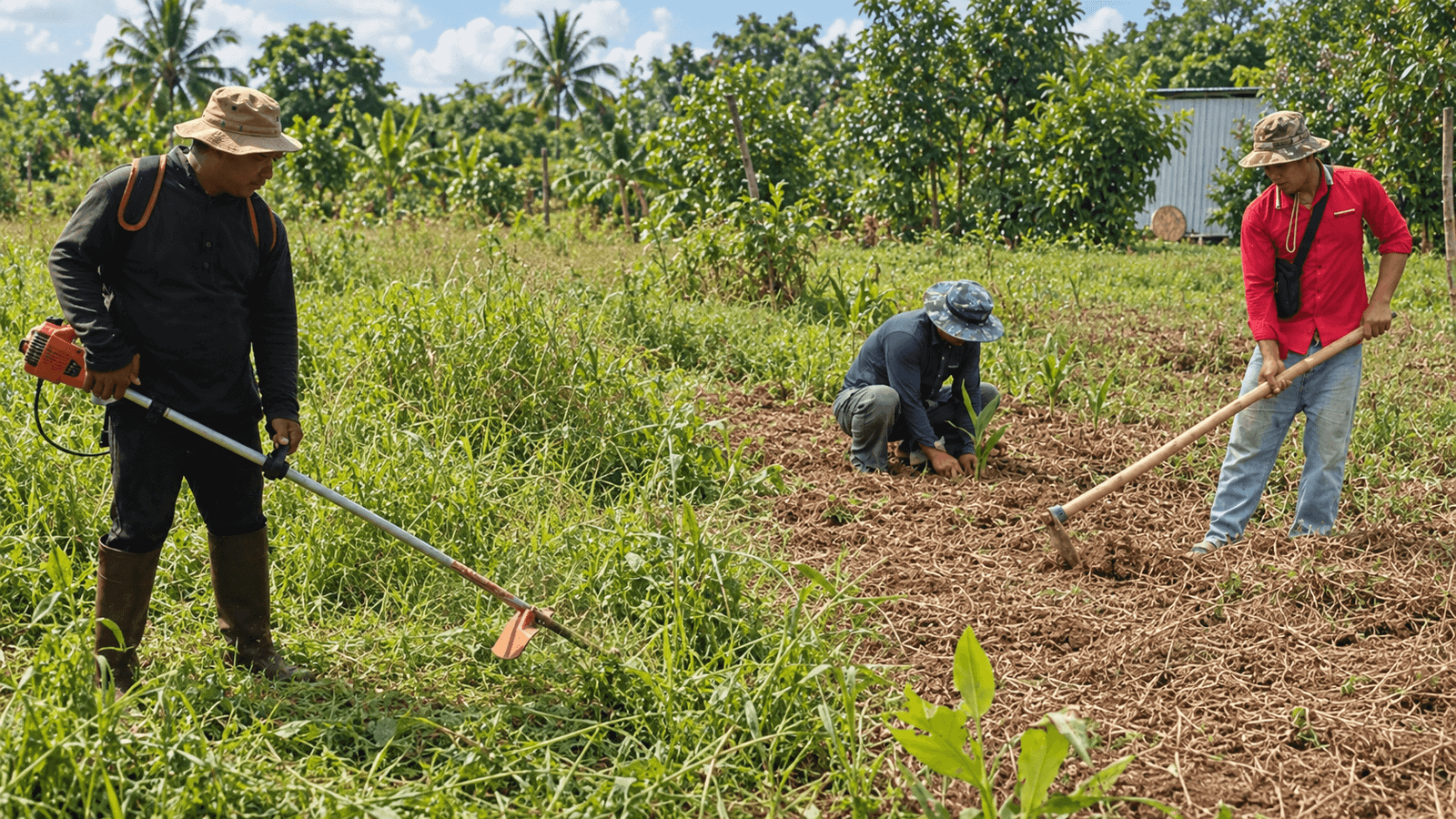
When I started my first residential landscaping business in 2015, I didn’t think about managing people. I thought about mowing lawns, cleaning yards, and planting flowers well enough that clients would call me again.
Then, about three months in, the business grew faster than I could handle alone, and I had to figure out how to hire my first landscaping employee with almost no plan in place.
I made a few good calls along the way. I also made mistakes that cost me time, money, and eventually an employee.
Here’s what actually happened, and what I’d tell any landscaper standing where I was standing back then.
Key Takeaways
- Fast business growth doesn’t mean you’re ready to manage a crew. Those are two separate skills.
- Skipping a real hiring process leaves you with no clear standard for who’s the right fit.
- Vague conversations about pay and hours turn into awkward disputes later, especially around overtime.
- Deciding between percentage pay and hourly pay early on avoids confusion when a job runs long.
- Becoming a manager for the first time takes deliberate preparation, not instinct.
Why I Decided to Hire Employees Instead of Working Alone
The business’s growth felt like proof I was doing things right, and in a way, it was. But it also meant there was more work than one person could finish in a day, and I hadn’t thought past the phrase “I need more help” to understand what that actually meant.
I remember getting a medium-sized project from a client on a Wednesday and starting the work the next day. The site was heavily overgrown with grass, needed trimming around flowers and small trees, and required the fences to be tidied up. It took me three and a half days to finish.
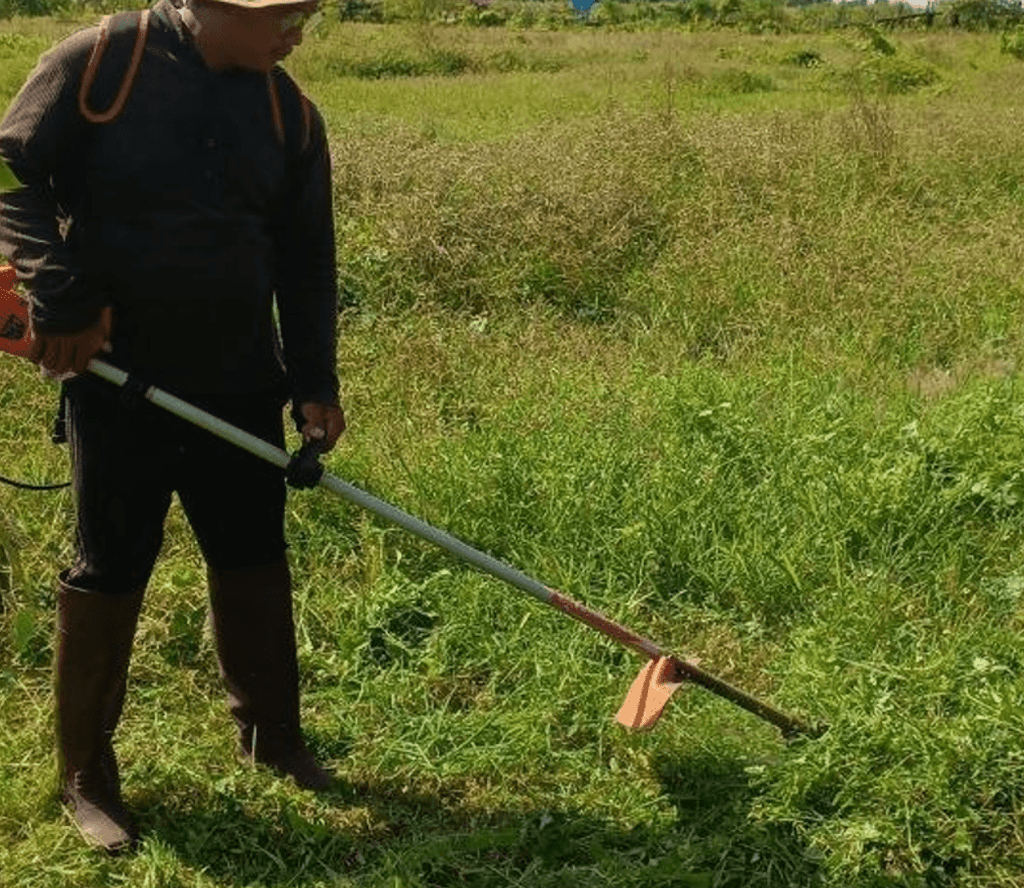
On Friday evening, my uncle called. He’d picked up a project from a client but couldn’t do it himself, so he asked me to check the site the next day and take it on. At that point, my old project wasn’t finished, a new one had just landed on me, and I hadn’t had a moment to rest.
I was still learning to stand on my own two feet in the business, and I knew turning down my uncle’s project meant losing future opportunities. But if I didn’t finish my existing client’s work first, I’d damage my reputation. I had to find a way through both.
I reached out to two of my neighbors and initially paid them a percentage of the labor cost. After we completed five projects together and I saw their dedication, I brought them on as full-time employees.
That was the moment I started shifting from landscaper to manager, whether I felt ready or not.
Mistakes New Landscaping Business Owners Make When Hiring
Looking back, the mistakes I made weren’t really about the two people I hired. They were about how unprepared I was to lead anyone. These four lessons cover most of it.
Lesson 1: Fast Growth Doesn’t Mean You’re Ready to Manage People
I knew how to do the work. I didn’t know how to explain it to someone else, correct their mistakes without discouraging them, or plan a daily workload for three people instead of just myself.
Those are entirely different skill sets, and nobody teaches you the second set just because you’re good at the first. I’d done this work for years alongside my uncle, so when we hit new tools or complex projects, I understood exactly what to do.
But when I tried to explain or guide my employees through those same methods, especially anything tied to specific client requirements, they struggled to grasp it.
Lesson 2: How to Hire Your First Landscaping Employee the Right Way (I Skipped This Step)
I don’t remember writing anything close to a formal job description. I just needed help, so I hired the first people who looked capable and had time available.
I picked those two neighbors because I had projects I couldn’t manage alone, and I brought them in on a daily percentage rate.
Skipping a proper hiring process felt faster in the moment. But it also meant I had no clear standard for what I was actually looking for, and no reliable way to know upfront if they were the right fit for the work or for working with me.
Lesson 3: How to Talk to Employees About Pay and Overtime Before It Becomes a Problem
Vague conversations about money and hours felt easier at the time, especially when you’re desperate for help and rushing to get a job done. But a vague conversation at the start almost always turns into an awkward one later, once expectations on both sides stop matching reality.
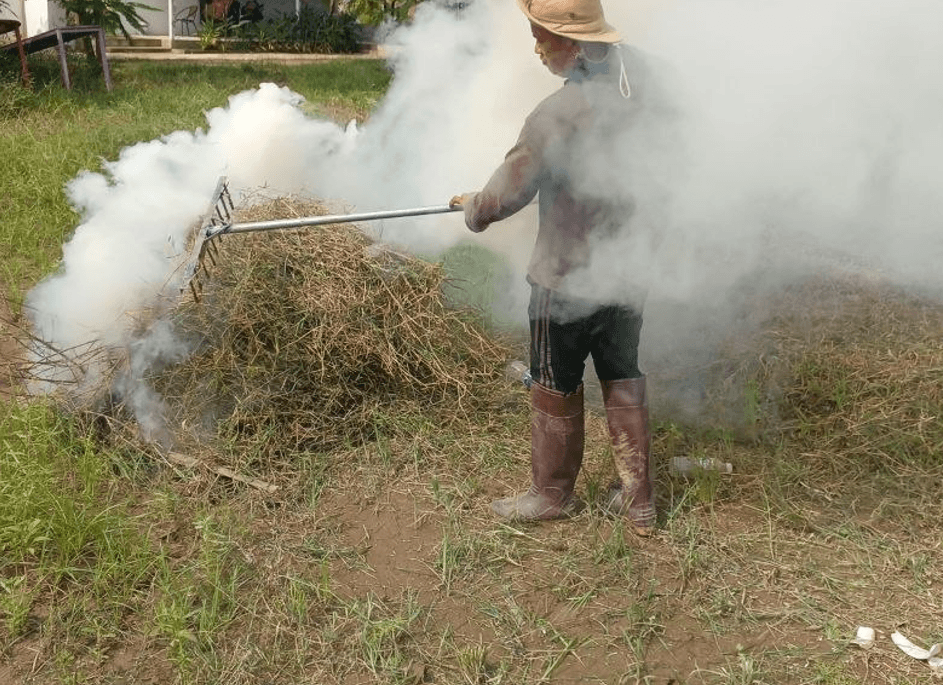
This played out on one project that was nearly finished. All that was left was gathering and burning the cut grass, at the client’s request. It was already 5:00 PM, our usual break time, but we stayed to finish the job that same day.
The next day, while dividing our percentage pay, one of the two employees asked where his overtime pay was for the extra hours. I understood his point completely, and to avoid conflict, I ended up covering that percentage out of my own pocket.
This is really where percentage pay versus hourly pay for a landscaping crew starts to matter.
When you pay a flat percentage of a job, “overtime” isn’t built into the math anywhere, so it becomes a conversation you’re having after the fact, under pressure, instead of a rate you agreed on before the work started.
Hourly pay makes extra hours easier to count and easier to talk about. Whichever structure you choose, the terms need to be settled before the first job, not worked out mid-project.
Lesson 4: Becoming a Manager for the First Time in a Landscaping Business
Overnight, my job shifted from doing great landscaping work to making sure two other people did great landscaping work, stayed motivated, and didn’t quit. Nobody prepares you for that shift, and I didn’t adapt to it as quickly as I should have.
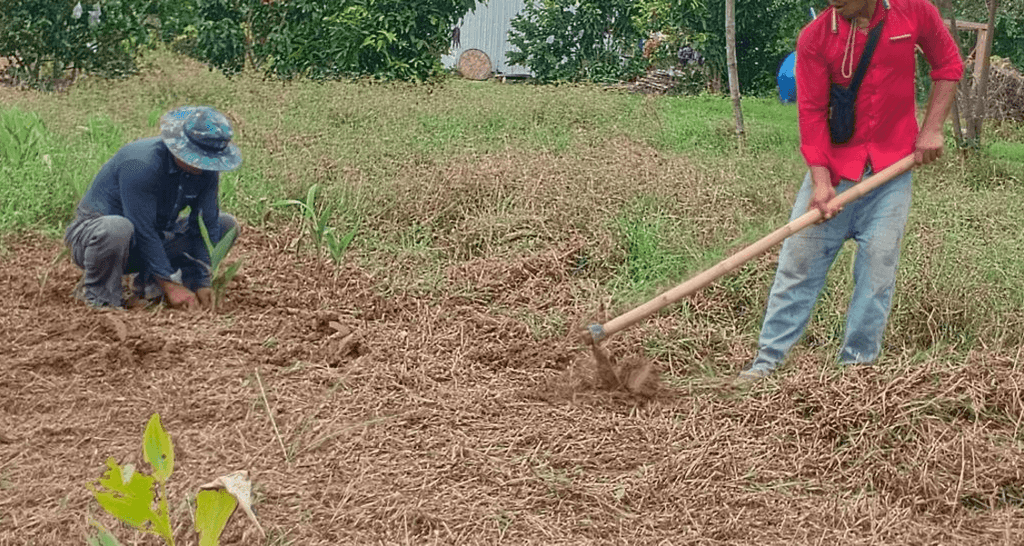
I had the technical skills for the job. My early management and leadership were far from smooth, and eventually, one of those two employees resigned.
What I Would Do Differently If I Were to Hire My First Employees Today
Most of what went wrong traces back to one thing: I wasn’t prepared to lead the people I brought on. If I were starting over, here’s what I’d change.
- Write out clear expectations before their first day. Even a simple outline of the role, the tasks, and what “done well” looks like gives both sides something to point back to.
- Have an honest, upfront conversation about salary and working hours. This includes deciding, in advance, exactly how overtime or late finishes get handled.
- Recognize that people management is a distinct skill. It requires dedicated learning, not something you absorb by accident while you’re busy running jobs.
Signs You’re Ready to Hire a Landscaping Employee
If any of this sounds familiar, it might be time to think seriously about bringing someone on.
- You constantly turn down work or clients because there aren’t enough hours in the day.
- You find yourself cutting corners on work quality just to keep up with client demand.
- You have at least a rough idea of what the role entails and what salary you can realistically afford to offer.
- You’re mentally prepared to spend time managing people, not just doing physical labor yourself.
How to Hire Your First Landscaping Employee: A Simple Checklist
If you’re recognizing yourself in the signs above, here’s a practical starting point, built from the gaps I ran into.
- Sketch out a basic job description first. List the core tasks, the tools involved, and any client-facing expectations before you talk to a single candidate.
- Decide your pay structure before you hire, not after. Choose between hourly and percentage pay deliberately, and decide in advance how overtime or extra-hour work gets handled.
- Put working hours and pay in writing, even informally. A simple written note both people agree to beats a verbal understanding that gets remembered differently later.
- Plan for the management side of the job, not just the labor side. Block out time for explaining tasks, correcting mistakes constructively, and checking in, especially in the first few weeks.
- Check your local rules on pay and overtime. Requirements vary by location, so it’s worth confirming with a local resource or professional rather than guessing.
Conclusion
Hiring your first employee in a landscaping business isn’t just about finding extra hands. It’s the exact moment you become a manager, whether you feel ready for it or not.
If you’re figuring out how to hire your first landscaping employee, clearly defining pay, hours, and expectations before you hire will save you from the hard lessons I had to learn the slow way.
Frequently Asked Questions
What’s the biggest mistake landscaping business owners make when hiring their first employee?
Hiring without a clear job description or hiring standard. Bringing on whoever is available and capable in the moment feels faster, but it leaves you with no way to know upfront if someone is actually the right fit.
Should I pay a new landscaping employee hourly or by percentage of the job?
Both can work, but the choice needs to be made before the job starts. Percentage pay makes overtime harder to define once a job runs long, while hourly pay gives both sides a clearer, agreed-upon way to count extra time.
How do I know it’s time to hire help for my landscaping business?
Common signs include regularly turning down work, cutting corners on quality to keep up with demand, and having at least a rough sense of the role and the pay you can offer.
What should I have in place before a new hire’s first day?
A basic outline of expectations, an agreed pay structure including how overtime is handled, and working hours discussed openly, ideally in writing.
How is managing a landscaping crew different from doing the work yourself?
Doing the work well and managing people who do the work are separate skills. Managing means explaining tasks clearly, correcting mistakes without discouraging people, and planning workload for a team instead of just yourself.
