

If you are looking for the real questions to ask before starting a garden business, you are already ahead of where I was back in 2019.
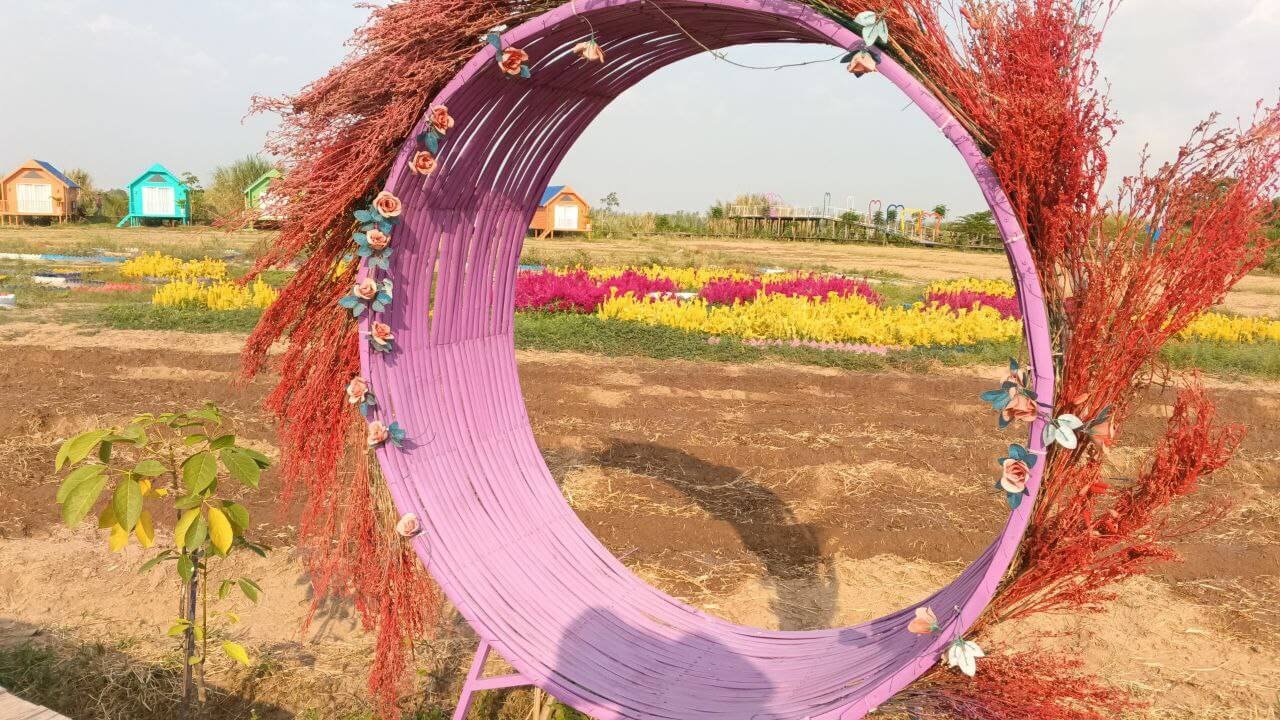
That year, I opened Dream Garden, a leisure destination with cozy vacation bungalows surrounded by a vibrant, diverse landscape, without first asking myself hard enough questions.
Two years later, in 2021, it failed. I rebuilt it in 2023, and this time it worked, mainly because I finally sat down and answered five questions honestly instead of just chasing the excitement of being my own boss.

This is not a theory piece written from the outside. It is what I wish someone had made me answer with a notebook before I quit my day job the first time.
Key Takeaways
- Passion, not just profit potential, is what carries a founder through a failed first attempt. Mine failed in 2021 and relaunched successfully in 2023.
- “Garden business” is too broad a concept to build a brand around. A specific, ownable feature, like our Paradise Bridge, is what actually differentiates you.
- Non-financial resources, knowledge, network, and team matter as much as capital.
- A pre-mortem done before launch beats optimism applied after launch.
5 Questions to Ask Before Starting a Garden Business
Before you decide to take the leap into any garden or landscaping venture, sit down with a notebook and answer these five questions honestly. I skipped this step the first time, and it cost me an entire business.
Here is what each question actually means once you have lived through the answer, not just read it.
Question 1: Why Do You Truly Want to Start a Business?
It is tempting to start a business because you saw someone else succeed on social media, or because you want extra income. Neither reason will carry you through a genuinely bad year. Here is my bitter truth.
In 2015, I started a residential landscaping and gardening service. With my uncle’s support, the business worked, and I had a steady stream of clients from 2015 until mid-2017. That early success gave me the idea to expand, and by mid-2019, I launched Dream Garden.
Running the landscaping service, I did not worry much. I came home from work in the evening, showered, ate, slept, and went back to work the next day.
Building my own brand was a different animal entirely. I worked constantly, and more than once I found myself sitting alone by the fire late into the night, planning the next day’s operations.
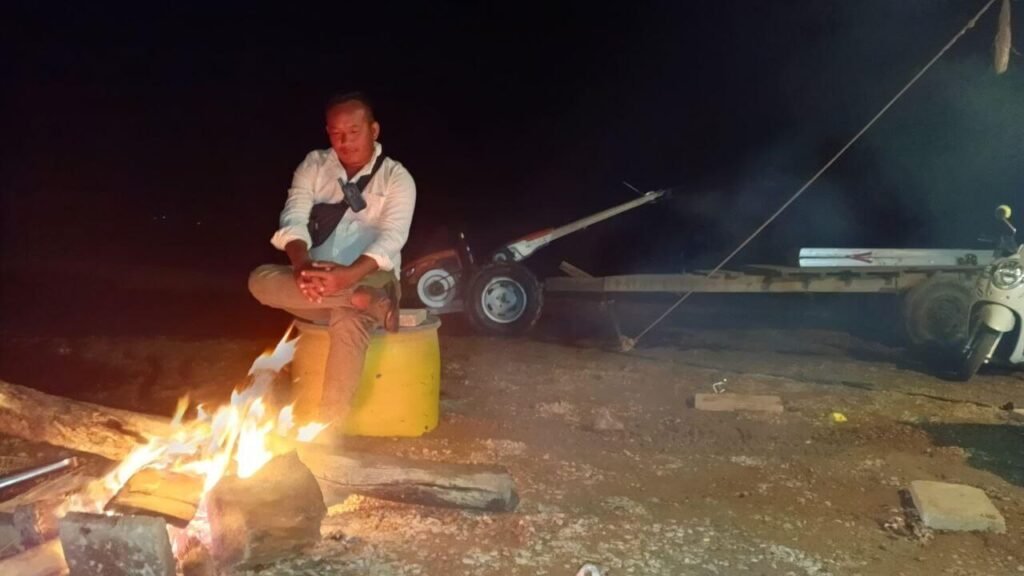
After running Dream Garden for over a year, the business failed in 2021. That failure brought real stress and a long stretch of self-doubt.
If making money had been my only motivation, it would not have been strong enough to keep me standing through that storm.
But because I was genuinely passionate about the work and loved solving the problems it presented, I launched it all over again in 2023, and it remains successful today.
Also Read: How to Recover From a Failed Garden Business: 5 Lessons From My Dream Garden Story
How to Know If You’re Passionate Enough to Start a Business
If I had gone into this purely to get rich quick, I likely would have quit the moment the money did not flow in right away.
If you genuinely love your daily work and care about the people you serve, you will have the resilience to keep moving forward when a bad year hits.
Build the business with passion first, and treat the money as a byproduct of the value you create, not the point of the exercise.
Question 2: What Exactly Do You Want to Do, and Who Is It For?
“Starting a business” is too broad a goal to actually act on. You need to define your market as specifically as you possibly can. Only after my failure did I realize my biggest mistake had been a lack of clarity, not a lack of effort.
After Dream Garden failed, I met a mentor, a Professor of Economics at the University of Management and Economics (UME) in Battambang Province.
He pointed out that “Garden Business” was still far too broad a concept to build a real brand around. Based on his advice, I pivoted toward one highly specific, ownable feature: what became our Paradise Bridge.

We built an elevated walkway, and at the far end, a high vantage point flanked by large heart-shaped structures.
From there, visitors take in a panoramic view of the colorful flowers planted along the bridge and across the grounds.
Strategically, when guests take photos here and post them on social media, it works as highly effective, free promotion for us, without us spending a dollar on ads.
Also Read: 5 Marketing Tips for a Flower Garden Attraction That Filled Our Queues in Six Months
How to Niche Down a Garden Business Idea
This is the exercise I skipped the first time around.
Ask yourself what specific industry you are entering, and what your actual business model is: are you selling products online, running a physical storefront, or offering B2B services?
Get clear on your exact target customer, and study your biggest competitors closely enough to see what problems they are consistently failing to solve.
For internal reference, we later wrote up how we chose our target customer for Dream Garden as a companion piece to this section.
You will not find your unique competitive advantage until you understand the overall market landscape.
Identifying the specific gaps your competitors leave behind is what lets you position a new business as an actual solution, rather than just another option sitting next to everyone else’s.
Question 3: What Resources Do You Already Have on Hand?
When people hear “resources for starting a business,” they think of money first. Investment capital is only one piece of the puzzle, and it is often not the piece you are short on.
When I started my landscaping service in 2015, I was able to hire two employees within just three months.
By the time I stopped in 2017, I had spent over two years deeply immersed in the field, and I had built real practical knowledge and hands-on experience as a foundation for everything that came after.
What Non-Financial Resources You Need Before Starting a Small Business
Make a complete inventory of everything you actually have on hand before you assume the problem is a lack of money.
Write it down under four headings:
- Knowledge and Experience: What industry secrets or technical hard skills do you already possess?
- Network: Who do you know? Do you have mentors, potential early customers, or industry connections?
- Team: Are you working alone, or do you have reliable partners with complementary skills?
- Capital: How much financial runway do you have to sustain operations, and where is that money actually coming from?
Recognizing your non-financial assets often reveals hidden advantages you never realized you had, long before you fill out a bank loan application.
Question 4: What Should Be Your Strategic Focus?
It is easy to catch what I think of as “Shiny Object Syndrome,” watching what successful people are doing and trying to blindly copy it. Do not follow others. Follow your own strengths instead.
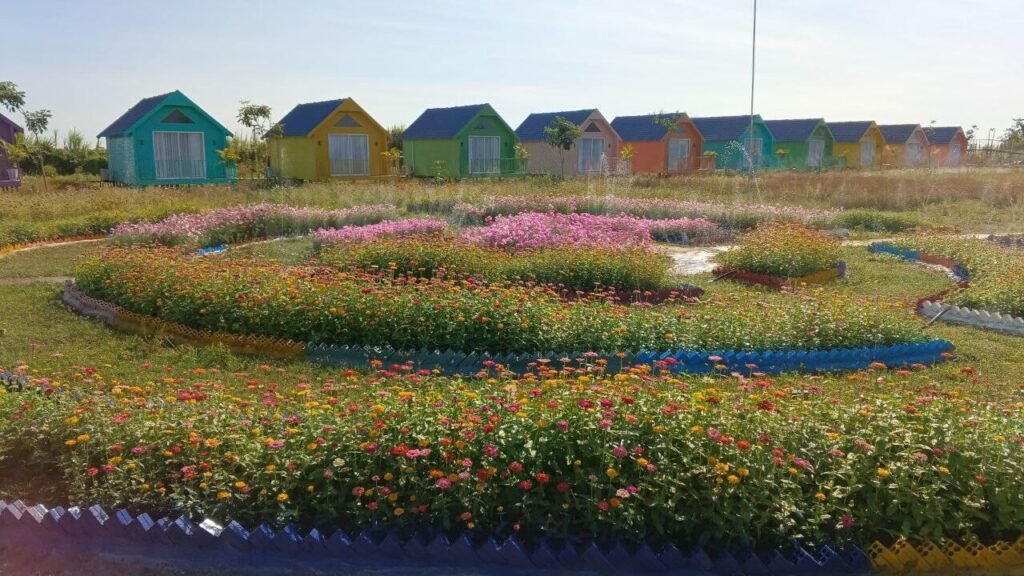
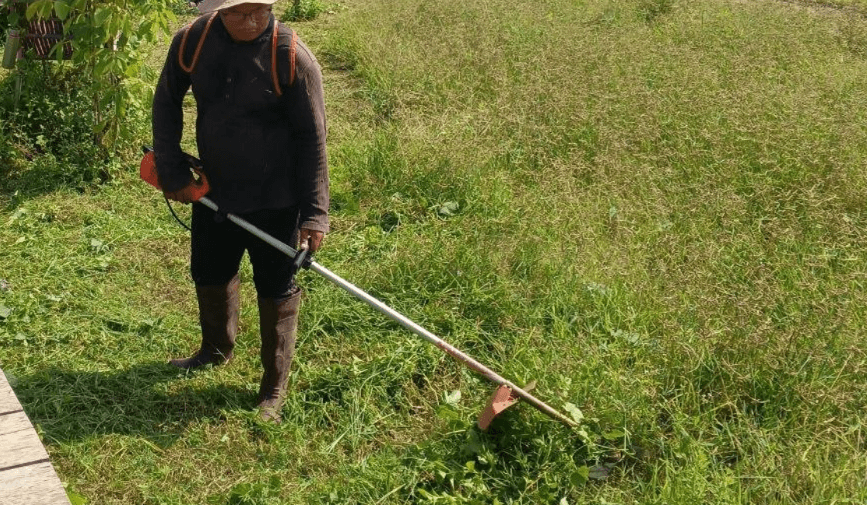
My two years of landscaping experience gave me a core strength in floral care and maintenance. But turning a plot of land into an attractive tourist destination meant I could not just plant flowers randomly in the dirt.
I had to innovate, so I arranged bricks into the shapes of stars and moons and planted vibrant flowers inside them.
How to Find Your Competitive Advantage in a Landscaping Business
Even after arranging the star and moon flower beds, I realized guests would struggle to walk through and actually admire them up close.
That gap is exactly why I conceptualized and built the Paradise Bridge in the first place. Before you launch anything, observe your chosen market closely.
Track trends, listen to customer complaints, and study buying behavior instead of guessing at what people want.
Then make deliberate decisions from what you learn. Your business should sit at the exact intersection of what you personally do best and what the market is genuinely missing, not at the intersection of what simply looks impressive online.
Question 5: How Will You Analyze and Manage Your Risks?
Looking back at 2021, the year I failed and went through a period of depression, this might be the most important question of the five.
More than half of all business failures do not happen because the founder missed a golden opportunity.
They happen because the founder never learned how to manage risk properly. I learned this the hard way, and I do not recommend the tuition.
How to Do a Business Pre-Mortem Before Starting a Garden Business
Before you launch, run a pre-mortem. Sit down and list every potential reason your business could fail, then build a proactive plan to avoid each pitfall before it ever happens.
It is an uncomfortable exercise on purpose, and that discomfort is exactly why most founders skip it in the middle of all their launch excitement.
Alongside that, practice extreme frugality. Until you have proven that you can consistently generate revenue from real, paying customers, protect your cash flow at all costs.
It is far easier to loosen the belt later than to recover from running out of runway early.
Final Thoughts: Questions to Ask Before Starting a Garden Business
Entrepreneurship is not a short sprint. It is a marathon filled with dozens of obstacles, and I found that out twice, the hard way both times.
Answering these five questions before starting a garden business will not guarantee success on your first try. But it does mean you are no longer just dreaming about a business.
You are strategically planning to make it real, with your eyes open to what actually broke last time.
Frequently Asked Questions
Is it worth starting a garden or landscaping business after a previous failure?
In my experience, yes, if the failure came from a lack of clarity rather than a lack of passion. My landscaping business succeeded from 2015 to 2017, Dream Garden failed in 2021, and the relaunch in 2023 has been successful because I fixed the clarity problem, not the passion problem.
What is the biggest non-financial resource founders tend to overlook?
Hands-on experience. The two years I spent working in the field before starting my own brand gave me practical knowledge that no amount of investment capital could have replaced, and it shaped every decision I made afterward.
How do you make a garden or landscaping business stand out without a big ad budget?
Build one specific, photogenic feature that people want to share on their own. Our Paradise Bridge, with its heart-shaped lookout points, turns visitors into free promoters every single time they post a photo from it.
What should you do before quitting your day job to start a garden business?
Answer the five questions in this article honestly with a notebook, then run a pre-mortem listing every way the business could fail, and build a specific plan for each one before you hand in your resignation.
How long does it realistically take to know if a garden business idea will work?
For me, the landscaping service showed clear signs of working within three months, since I was already hiring help by then. Dream Garden took longer to prove itself, since it needed over a year of operation before the underlying problems in the concept surfaced.
