


In mid-2019, I launched Dream Garden. It was one of the happiest moments of my life, watching a dream turn into something real.
Just over a year later, in 2021, the business failed. If you are trying to figure out how to recover from a failed garden business right now, I want you to know I have been exactly where you are: disappointed, overwhelmed, and unsure if pushing forward was even worth it.
This is my flower garden business failure story, and the five lessons that pulled me out of it.
Key Takeaways
- Reframe “why did this happen to me” into “what is this teaching me.”
- Treat your biggest obstacle as unmet market demand, not proof of failure.
- Use a reverse thinking business strategy: ask what is driving customers away, not just how to attract more.
- Scarcity can force more creative solutions than abundance ever will.
- Detach emotion from business decisions so panic does not block the exits.
My Dream Garden Story: How the Business Failed in 2021
When Dream Garden failed in 2021, I was deeply disappointed in myself. I felt frustrated, overwhelmed, and stuck in a loop of overthinking. I remember being on the verge of giving up entirely.
I kept asking myself the same question over and over: “Why did I fail like this? With so many obstacles in my way, can I really keep pushing forward?” I was completely out of ideas and emotionally drained.
The Turning Point: Meeting a Mentor in 2022
Everything changed in mid-2022 when I attended an entrepreneurship seminar. There, I met and consulted with a professor of Economics from the University of Management and Economics in Battambang Province, who was also a seasoned business owner himself.
That single conversation profoundly shifted my mindset after business failure and reignited my spirit to try again.
What follows are the five strategies he shared with me, the same ones I used to turn Dream Garden around.
How to Recover From a Failed Garden Business: 5 Mindset Shifts That Worked
If you are facing something similar, these are the exact lessons that helped me move from feeling defeated to relaunching Dream Garden.
1. Shift the Question From “Why” to “What”
During a discussion at a local coffee shop, I shared my story of failure and the loss of motivation that followed.
He empathized, telling me he had faced similar struggles long before I did.
He advised me directly: “When you ask yourself, ‘why is this happening to me,’ it only fuels despair. Instead, shift your perspective and ask, ‘what is this problem teaching me,’ or ‘what new pathways are now open to me?'”
It felt like an instant awakening. I quickly summarized my own takeaway out loud: “It has taught me the importance of financial management and staff management.”
He then asked me a simple but pointed question: “Did your failure force you to sell off all your landscaping equipment?” I told him no, I still had all my tools and machinery.
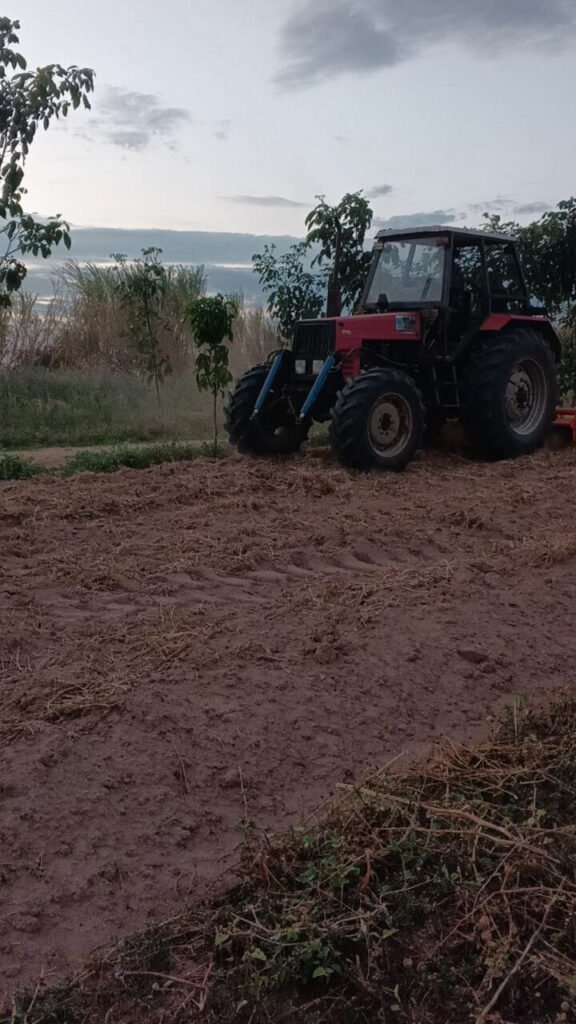
Inspired, I went home and immediately fired up my tractor to clear the land and begin again. Changing your questions changes the entire trajectory of your thinking.
2. Turn Business Obstacles Into Opportunities
He pushed the conversation further, asking what my biggest obstacle was at that moment. I explained that 70 percent of the flowers at Dream Garden had died.
He asked if those flowers were the core product of Dream Garden. They were.
That’s when he offered the insight that changed everything for me. He said that any problem that causes you hardship or wastes your time is likely a problem other people face too, and that if you can solve it, you have uncovered a real business opportunity.
He told me I hadn’t failed; I had simply been intimidated by an obstacle I didn’t fully understand yet.
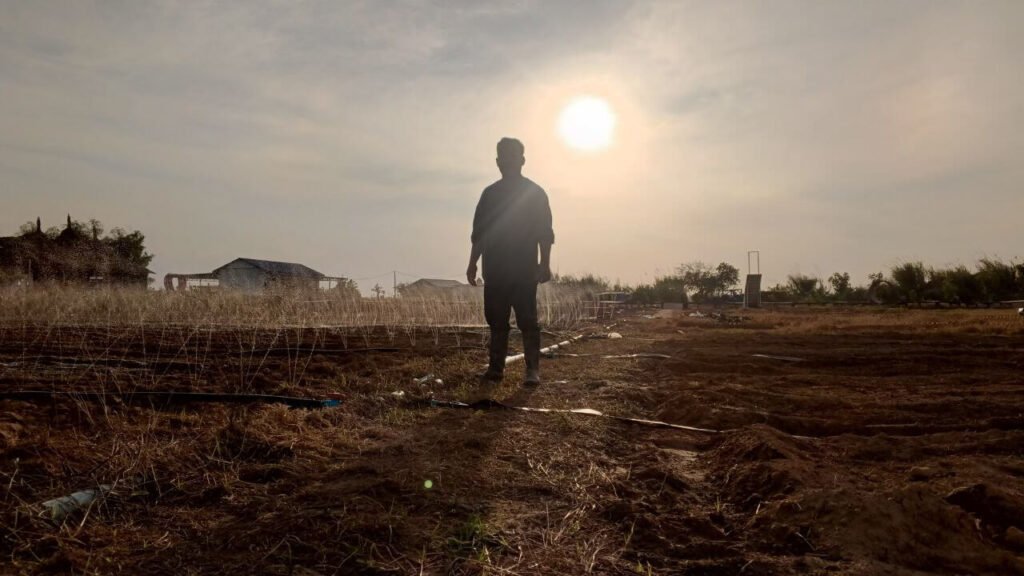
I went back to Dream Garden and began systematically rebuilding it, plowing the soil and laying out a proper water irrigation system from the ground up.
3. A Reverse Thinking Business Strategy for Marketing Problems
At one point I brought up marketing, specifically how to increase admission ticket sales.
His answer was short and direct: when you hit a dead end, don’t just focus on how to drive sales. Instead, ask what is driving your customers away, then re-evaluate your past mistakes.
This is the core of a reverse thinking business strategy: identifying and eliminating old errors is often the real breakthrough, not chasing new tactics.
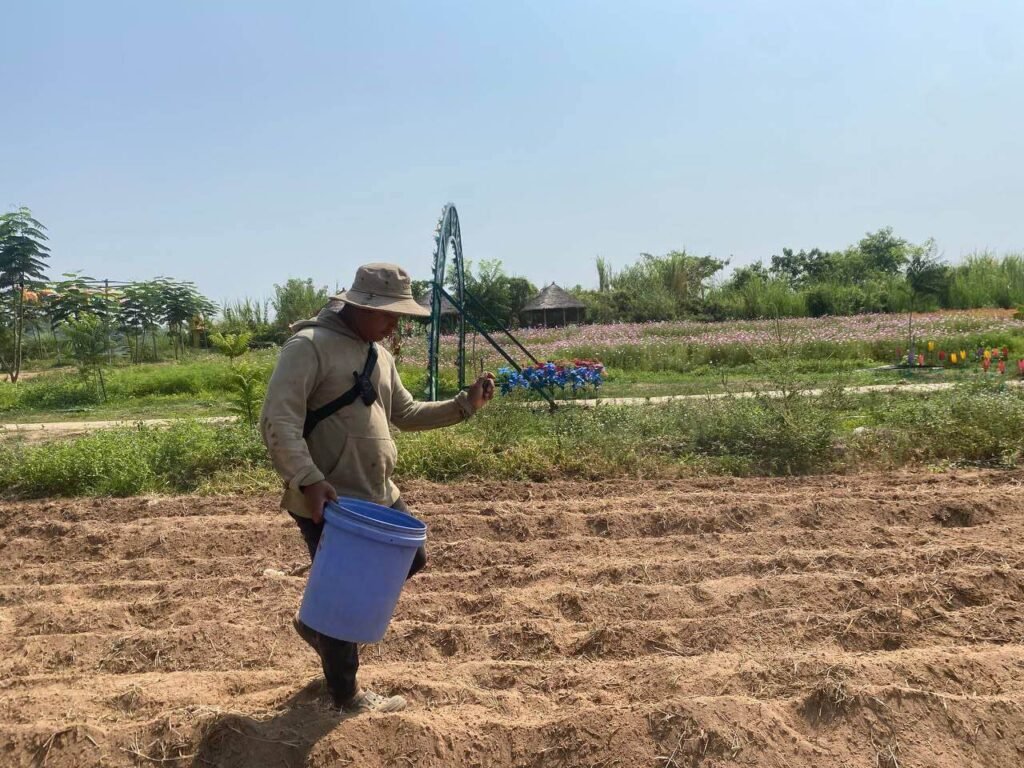
With this reframe in mind, I went back to prepping the soil and sowing new flower seeds with a better strategy in place.
4. How to Build a Business With Limited Resources
This is the lesson that eventually put Dream Garden on the map. The professor explained that failure is not entirely negative and shouldn’t force a surrender.
Failure creates a shortage of capital or resources, and that shortage forces you to use your intellect and devise unconventional strategies. That scarcity, he said, builds a real competitive advantage.
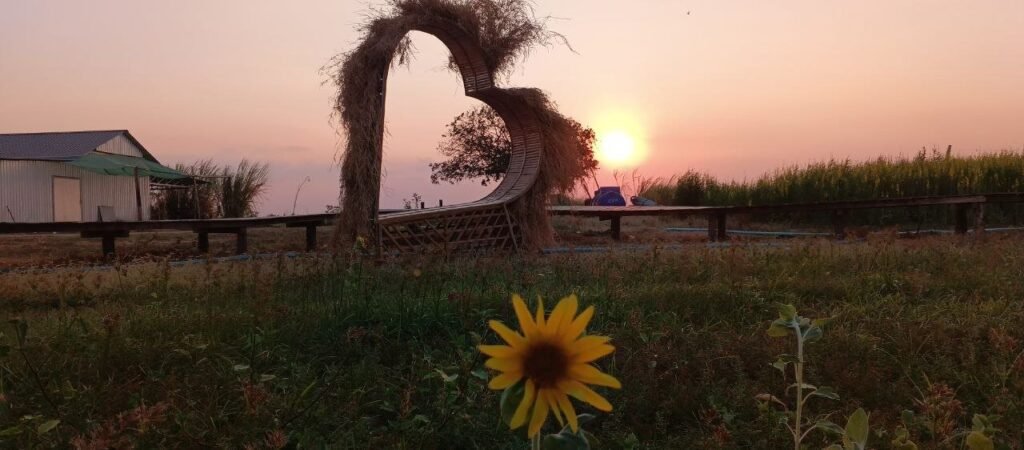
I took this to heart. With very limited resources, I built a giant heart-shaped structure in the garden by hand, creating a unique, picturesque spot for guests to sit and watch the sunset.
It became one of the things that made Dream Garden memorable.
5. Detach Emotion From Business Decisions
Near the end of our conversation, he asked me point-blank if I still wanted to pursue this. I admitted I was still anxious and my mind wasn’t fully settled.
His advice was simple: panic blinds you to the exits. Take a step back and analyze the problem with pure logic and calm, and only then will you see the bigger picture and find the hidden solutions.
Learning to detach emotion from business decisions was the final piece I needed before relaunching.
The Relaunch: Dream Garden in 2023 and Beyond
How I Knew I Had Recovered From a Failed Garden Business
In 2023, I officially relaunched Dream Garden, and it has been thriving ever since. Walking through the rows of flowers today, with guests taking photos near the heart-shaped structure at sunset, is a completely different feeling from where I stood in 2021.

This is the journey I endured and the foundational lessons of my fresh start. Failure is simply a test. Do you have a clear vision? Do you have real resilience? And do you know how to turn your obstacles into your greatest opportunities?
Final Thoughts
Recovering from a failed garden business isn’t about pretending the failure didn’t hurt. It’s about changing the questions you ask, treating obstacles as signals rather than dead ends, and permitting yourself to rebuild with whatever you have left.
That’s exactly what turned Dream Garden from a shut-down business in 2021 into a thriving garden today.
Frequently Asked Questions
What should I do first after my business fails?
Start by changing the question you ask yourself. Instead of asking why it happened, ask what the failure is teaching you and what new paths it has opened up. This shift alone can move you from despair into problem-solving mode.
How do I know if a failed business is worth restarting?
Look at what you still have left, not just what you lost. If your core tools, skills, or land are still intact, as mine were, that’s often a sign the foundation is still there to rebuild on.
What does reverse thinking mean in a business context?
Instead of only asking how to get more customers or sales, you ask what might be pushing customers away in the first place. Fixing those underlying problems tends to create bigger breakthroughs than chasing new marketing tactics.
Can I really grow a business with very little money?
Yes. Limited resources force more creative, unconventional solutions, which can become a genuine advantage over competitors with bigger budgets. Dream Garden’s heart-shaped structure came directly from working within a tight budget.
How long does recovering from a failed garden business take?
For Dream Garden, it took roughly a year: the business failed in 2021, the mindset shift happened in mid-2022, and the official relaunch came in 2023. Your timeline will depend on your own circumstances, but real change can happen faster than it feels like in the moment.
