

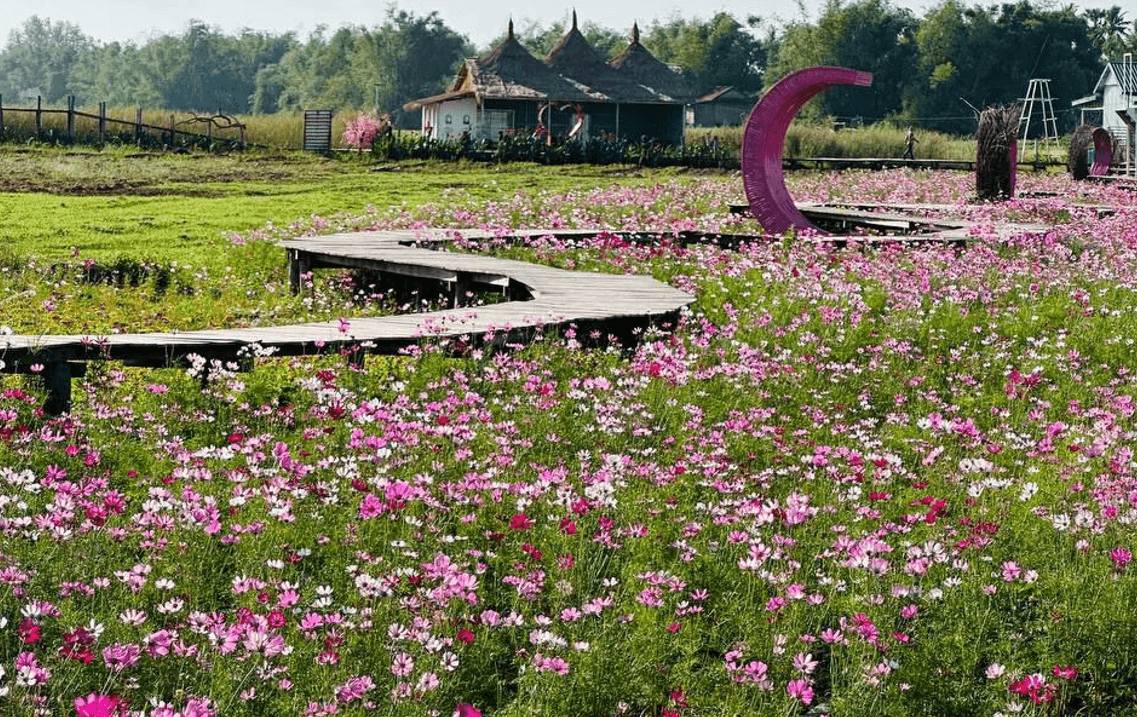
If you look at the Paradise Bridge in our Dream Garden, its length might make you think a large company built it with modern machinery and tens of thousands of dollars in capital. In reality, my team and I built it with just an axe, a hammer, and daily discipline.
Learning how to build self-discipline as a small business owner was never really about willpower for me. It came down to having the right system, one we stumbled onto while completing a 900-meter walkway with no professional engineers and no machinery.
Below is the exact four-step system I used, and how you can apply it to your own goals, in business or in life.
Key Takeaways
- Action over resources: We built a 900-meter bridge using only an axe, a hammer, and daily discipline, with no professional engineers.
- A practical framework: Our four-step system covers small daily goals, nightly reflection, honest self-scoring, and the elimination of excuses.
- Simplicity wins: You do not need an app to track your discipline. A broken tile and a piece of charcoal worked perfectly for us.
- Universal application: The same approach applies to any goal, from a massive construction project to building a daily habit.
Why Willpower Alone Wasn’t Enough
Before starting my business, I used to wonder why I constantly set intentions to change myself—like going to bed early, exercising, or reading more—yet still failed to follow through.
Most of us have lived that cycle: a strong burst of motivation on day one, followed by a quiet drop-off a week later, with no real explanation for why it happened.
It wasn’t until I started a business, failed, and started all over again that I understood the truth. Discipline does not come from sheer willpower or determination alone. It requires the right system, and once you build it, you can reuse it for almost any goal.
Why We Needed a Better System for the Dream Garden
When we first launched the business, we discussed the infrastructure layout for the Dream Garden. Our first project was the Paradise Bridge, and the initial blueprint projected a length of 900 meters with an estimated cost of tens of thousands of dollars.
(For the technical side of that build, we later wrote a separate guide: How to Build a Wooden Walkway Through a Flower Garden (Without Machinery).)
As a new business, we lacked the budget to hire professional engineers. We had to rely entirely on our own strength and experience.
If we had worked at a normal, casual pace, finishing the bridge would have been impossible. The real reason it got done was discipline.
Our 4-Step Discipline Framework for Business Owners
This is the daily discipline system for entrepreneurs that got the Paradise Bridge finished, one step at a time.
Step 1: Start With Small Daily Goals
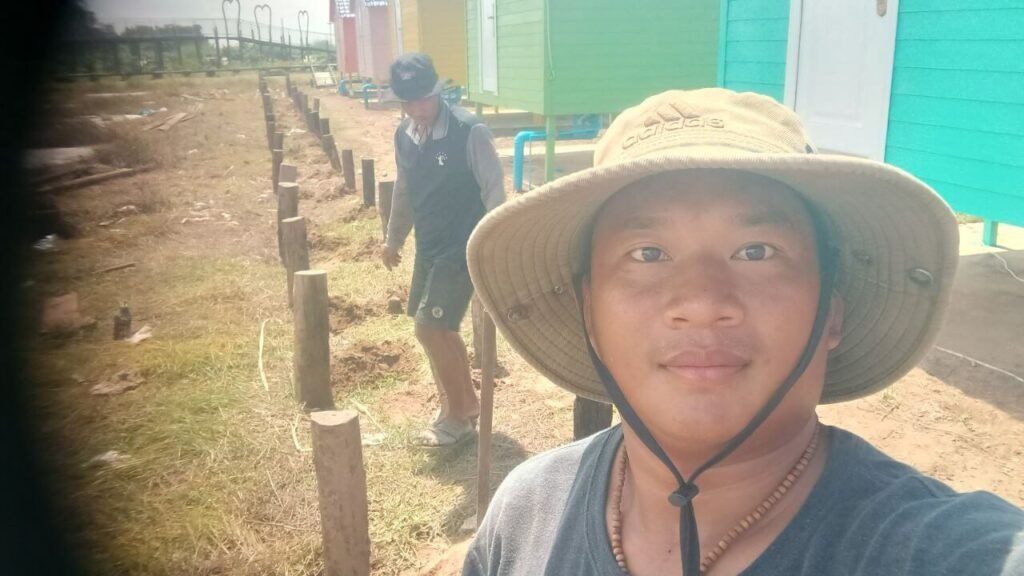
Once we committed to the project, we began execution immediately. We planted the pillars into the ground one by one, exactly as shown in our early construction photos. You might ask how a 900-meter bridge ever gets finished if you are only planting one pillar at a time.
If you let yourself think that way, you will feel exhausted instantly, and your brain will hit a wall. Do not be greedy by setting too many massive goals at once, because it only drains your mental energy.
Even if you are not building a bridge, you can apply this to daily life by writing down small activities, such as exercising for 15 minutes or reading 5 pages of a book.
The goal is never to picture the whole 900 meters at once. It is to plant today’s pillar, close the day, and let tomorrow worry about tomorrow’s pillar.
Step 2: Use Nightly Self-Reflection Questions for Productivity
End your day by asking yourself one simple question: Did I do my absolute best today to achieve [X]? It sounds ordinary, but for me, it was essential for turning effort into tangible results.
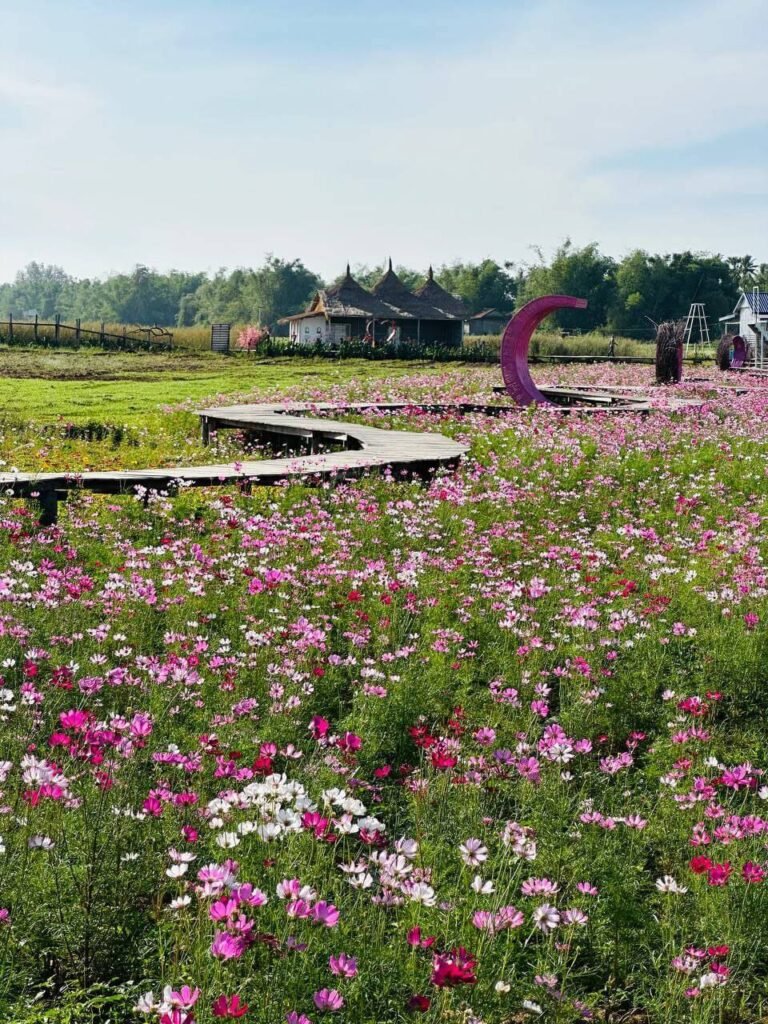
When you see the sprawling wooden walkway floating through the middle of a flower field, capable of supporting daily visitors, that is the direct result of asking that nightly question over and over.
Step 3: Track Your Habits Without an App
Having discipline without self-honesty still leads to failure. My hands were usually full holding a hammer to drive nails and a saw to cut wood, so I never had the luxury of carrying a smartphone, a notebook, or a pen.
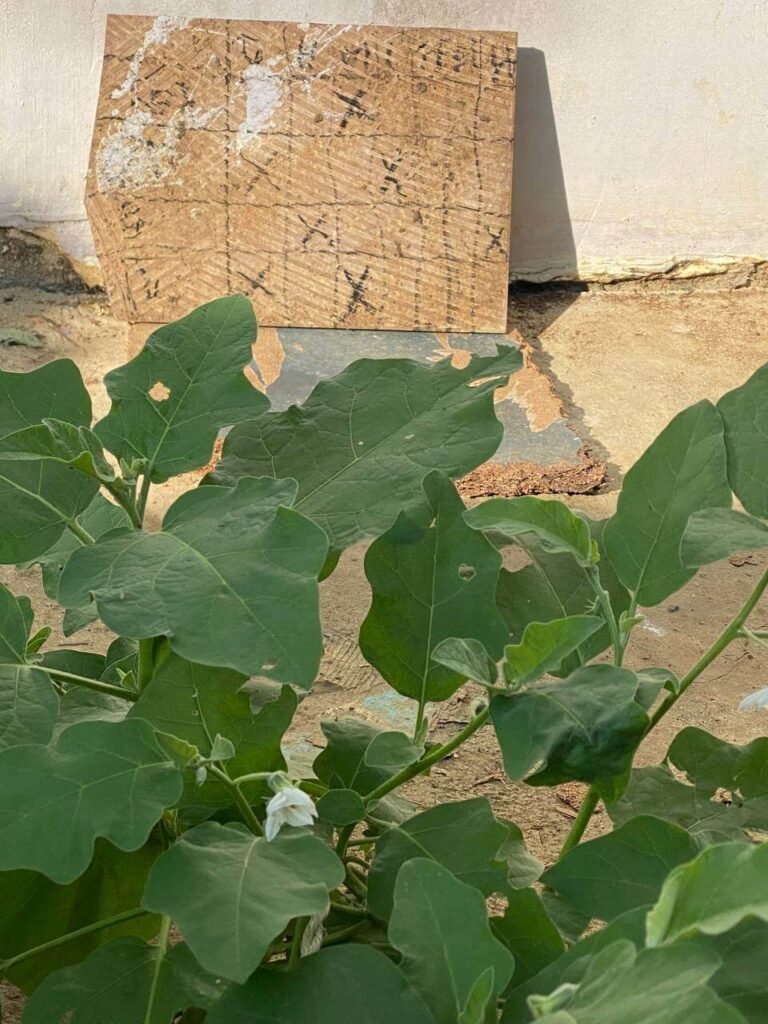
Instead, I used a piece of broken tile and a lump of charcoal to track my mistakes and keep improving. Writing your score down, even on a broken tile, forces you to acknowledge reality and creates a psychological contract with yourself to do better.
There was nothing polished about that tracking system. It was whatever material was already sitting near the worksite, but it did the one job that matters: it made my progress visible to me at the end of every single day.
Step 4: Stay Consistent Without Making Excuses
This is the trap that causes many people to fail. We started building the bridge during the rainy season, and in a tropical region, that means heavy, frequent downpours. Did we work on rainy days? Yes.
I remember one specific day it poured until 5:50 PM, and I still didn’t push the work to the next day. I stayed and finished my daily quota to honor the plan.
If you want to apply this to your own life, stop using weekends, birthdays, or temporary fatigue as excuses to pause your discipline.
What a Daily Discipline System Actually Produces
It shifts you from passive to active. Discipline eliminates procrastination. A disciplined person does not wait for motivation to strike; they take immediate action according to their plan.
It creates long-term victories. Most people can hit short-term, fleeting goals. Discipline is the tool that makes those results sustainable, eventually turning them into a lifelong lifestyle.
It builds outstanding leaders. The most successful leaders in the world are not necessarily the smartest people. They are the individuals with the highest level of self-management, because you have to learn to lead yourself before you can lead a project or lead others.
Final Thoughts on Staying the Course
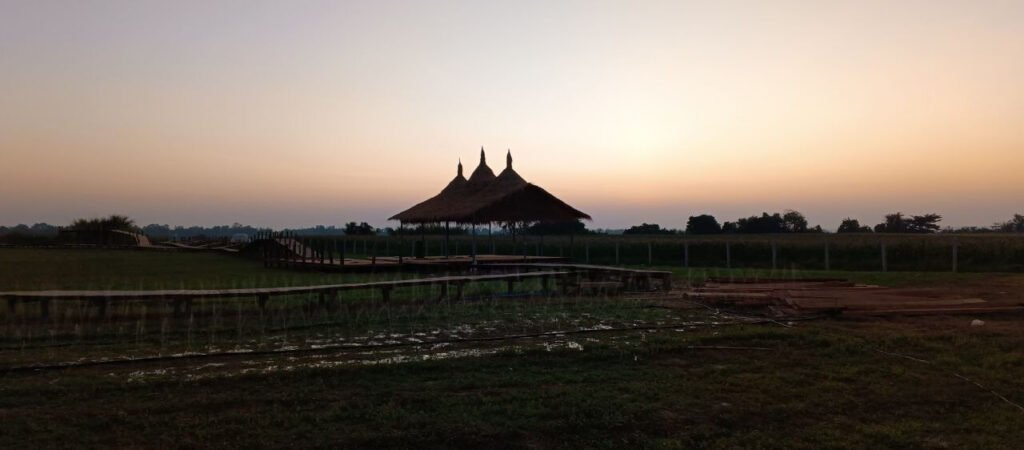
The Paradise Bridge stands today because of a system, not a stroke of willpower. If you are figuring out how to build self-discipline as a small business owner, start smaller than feels comfortable, check in with yourself every night, score your own honesty, and stop treating hard days as an excuse to stop.
Frequently Asked Questions
Does discipline really matter more than motivation when building a business?
In our experience, yes. Motivation got us to start the Paradise Bridge, but it was the daily discipline system, not motivation, that got a 900-meter walkway finished with no machinery and no professional engineers.
What is a simple way to build a daily discipline habit?
Start with one small, specific goal instead of a big one, the same way we planted one pillar at a time instead of trying to picture the entire 900 meters at once.
How do you stay consistent without expensive tools or tracking apps?
We tracked ours on a broken tile with a lump of charcoal. The tool matters far less than the habit of writing your score down every single day.
How do you keep working through bad days or bad weather?
We treated rainy season downpours the same as any other workday, including one day it rained until 5:50 PM. Removing the idea of a “special day” exception is what kept the project moving.
Can this discipline system apply outside of construction or business projects?
Yes. The same four steps, small goals, nightly reflection, honest scoring, and no excuses, apply to habits like exercising for 15 minutes a day or reading a few pages of a book each night. It never required a budget to start, only an axe, a hammer, and a broken tile to track progress on.
