


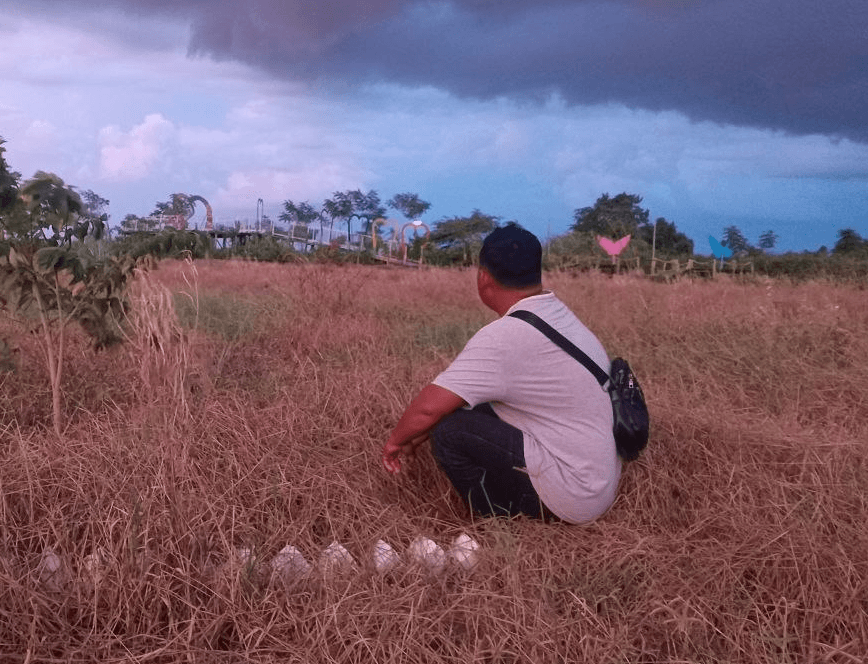
If you saw me crouched alone in a dry field at dusk, you might think I was admiring the sunset. I wasn’t. Nearly every flower in my Dream Garden had died, and I was too exhausted to keep fighting.
That single afternoon is exactly why I now tell every new grower the same thing: you need a business mentor for your garden business, because the lessons that rebuilt mine came from one honest conversation, not a textbook.
In mid-2019, I opened Dream Garden. By 2021, it had failed. What brought it back wasn’t more money or more labor. It was a mentor who saw what I couldn’t see about my own business.
Key Takeaways
- A mentor helped rebuild a failed garden business into a working flower farm and glamping venture in Cambodia’s tropical climate.
- Choosing local, climate-suited flowers and hiring a walking tractor instead of machinery cut real costs.
- Testing tent camping before building Tiny Homes reduced risk.
- Mentored SMEs saw revenue jump about 83% in 12 months, versus 16% without a mentor.
What Is a Business Mentor?
A business mentor is an experienced entrepreneur, manager, or industry expert who gives you ongoing guidance, perspective, and support as you start or grow a business.
A mentor isn’t someone you call once for a single question. A mentor is someone you consult regularly as real decisions come up.
Why You Need a Business Mentor for Your Garden Business From Day One
Here’s why you need a business mentor for your garden business from day one: the mistakes that sink a garden or flower farm are rarely about the plants themselves.
They’re usually about patience, direction, and self-management—exactly the areas a mentor is positioned to help with.
The Day My Garden Business Nearly Ended
In mid-2019, I started my business at Dream Garden. After a little over a year, in 2021, I failed. My confidence was shattered, and I was ready to stop, but my family’s encouragement pushed me to keep going.
I traveled to Battambang province for training courses and to study my competitors. There I met a professor of Economics from the University of Management and Economics in Battambang, who also owned a large coffee shop and resort business.
A week later, he visited Dream Garden in person, in Kratié province. When he saw the dead flower field firsthand, he smiled. I was in tears.
“You didn’t fail the business. You failed in your patience. You didn’t fail in designing the entire garden system. You failed in self-management and direction.”
Hearing that single sentence felt like waking up from a deep sleep.
Signs Your Farm Startup Needs a Business Mentor
Looking back, these are the seven signs a mentor could have saved me time, money, and heartache from day one.
1. You Gain Practical Perspective, Not Just Theory
Books and courses explain concepts. Mentors explain how those concepts play out in practice, including the messy issues rarely covered in any textbook.
A mentor helps you test ideas before spending real money, see problems clearly when you’re too close to them, and judge which risks are actually worth taking.
When we prepared to replant the flowers, my mentor steered me away from imported seeds that needed a big budget and a long grow time.
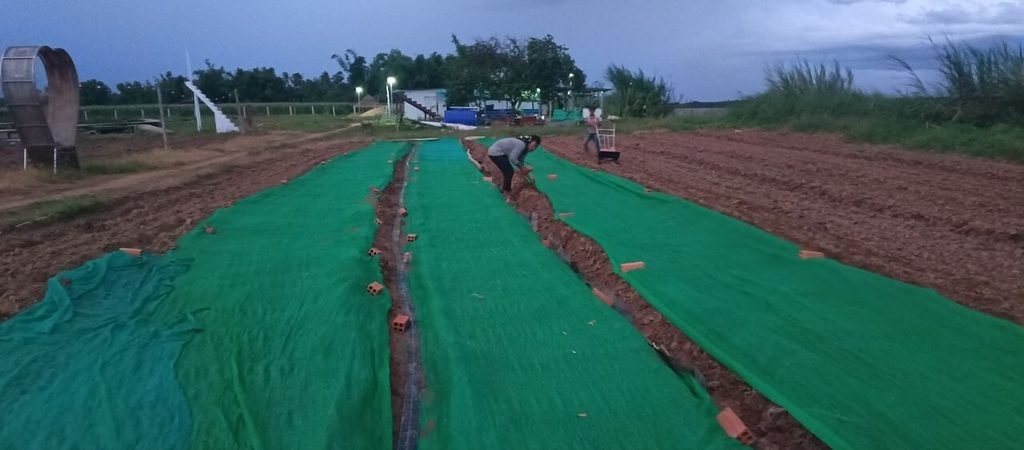
Instead, he pointed me toward some of the best local flowers for a tropical climate business—varieties already suited to the heat and rain here. That one choice cut both cost and maintenance time significantly.
2. You Avoid Common and Costly Mistakes
Most mentors have already made the mistakes you’re about to make, like over-hiring, underpricing, poor cash flow management, or signing weak contracts. That experience means they can flag the warning signs before you learn them the hard way.
Instead of spending heavily on modern machinery and a large labor force to restart the garden, my mentor gave me a far simpler plan: plant section by section, and ask around for a local walking tractor called a Koyon to hire for plowing.
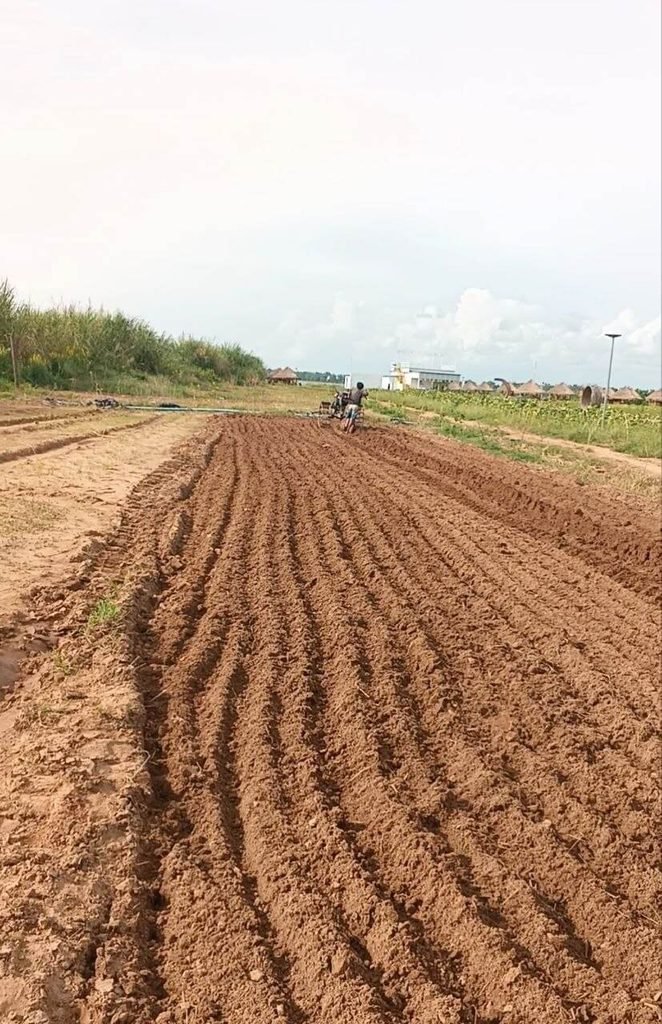
It was one of several low-cost ways to start a flower farm business that he taught me directly, and it let us watch the health of the plants closely, one section at a time.
3. You Navigate Unfamiliar New Stages Faster
Every stage of a business, from the first idea to your first customer to expansion and hiring, brings challenges you’ve never faced before.
A mentor who has already been through those stages can guide you through the unfamiliar ones, help you prioritize what matters right now, and point you to tools and workflows that actually work.
Research on entrepreneurial mentorship backs this up: mentored founders plan more effectively and tend to survive those difficult early years at a higher rate.
Because Dream Garden centers on a natural lifestyle, we started getting visitors who wanted a relaxing weekend outdoors. I wanted to build Tiny Homes right away, but my mentor rejected the idea.
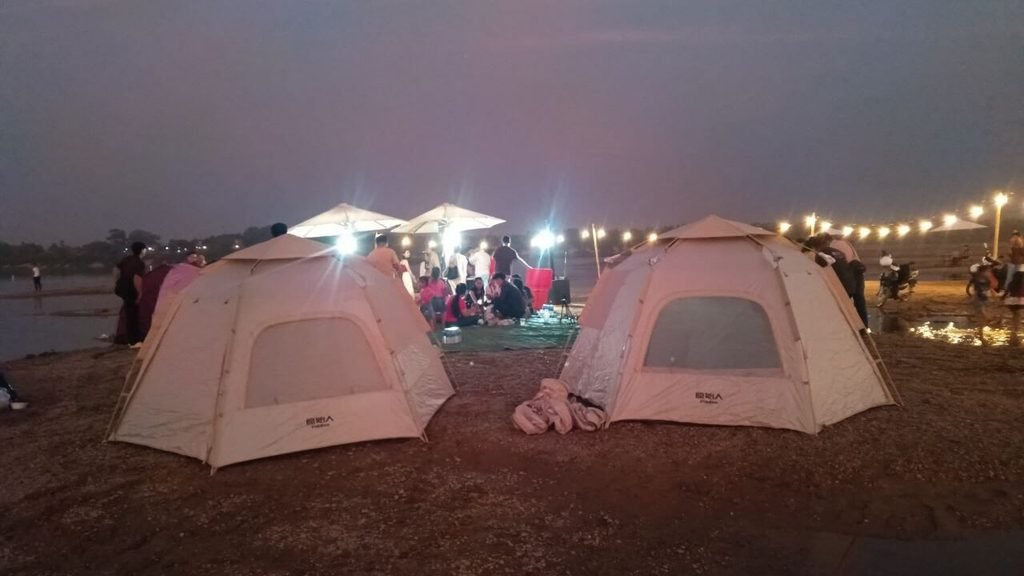
His alternative turned into a real test of tent camping vs. tiny homes for a glamping business: start with tent camping, and only move to Tiny Homes if weekend bookings proved there was real demand.
Everything played out exactly as he expected, and we eventually upgraded from tents to Tiny Homes.
4. You Gain Discipline and Focus
Day-to-day operations have a way of crowding out strategic work. Regular check-ins with a mentor create accountability. They keep you honest about your goals and deadlines, call you out when you’re avoiding a tough decision, and sharpen your thinking with pointed questions.
As the flowers kept growing, we planned a wooden bridge for sightseeing, which we named Paradise Bridge. I wanted to rent modern machinery to finish it fast. My mentor didn’t reject the project, but he reframed it: build it yourself, little by little, the same way the flowers bloom section by section.
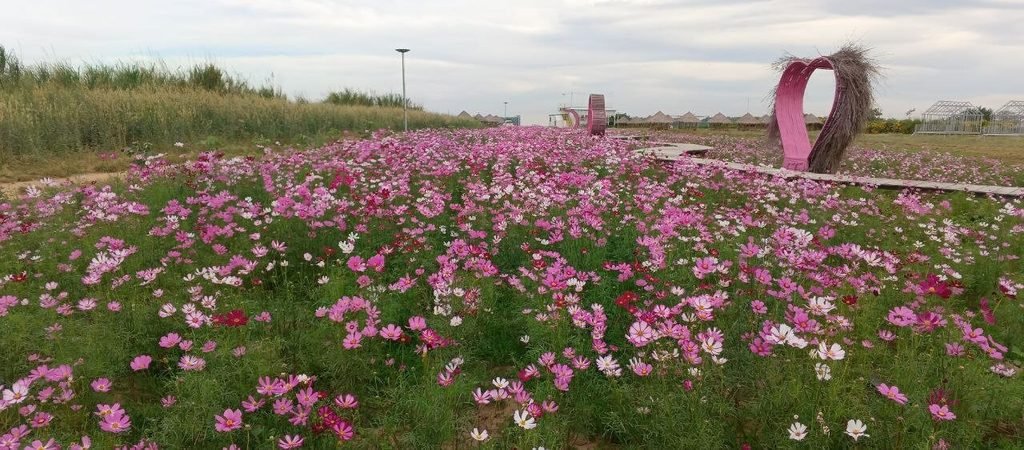
He also suggested a zigzag shape instead of a straight line, to separate each flower variety along both sides of the bridge.
5. You Expand Your Network and Access to Resources
A good mentor does more than give advice. They often connect you with potential clients, partners, or suppliers, trusted specialists like lawyers, accountants, and marketers, and programs, grants, or local entrepreneurial support centers.
Mentorship is widely seen as one of the most direct ways entrepreneurs get access to the information, resources, and networks they need, including local business support programs for small farms worth researching in your own area.
6. You Receive Emotional Support and Confidence Building
Starting a business can be lonely and stressful. A mentor normalizes failure, so a setback stops feeling like a personal defeat. They offer renewed encouragement during uncertain stretches and help restore your confidence when you need it most.
Studies show entrepreneurs who receive mentorship report higher confidence and make better decisions overall.
7. It Can Tangibly Improve Your Bottom Line
So how much can a business mentor increase your revenue? The data from mentorship programs gives a fairly direct answer.
In one study, small and medium enterprises with a mentor increased revenue by about 83% over 12 months, compared to just 16% for businesses without one.
About 75% of mentored entrepreneurs reported a revenue increase, and roughly 82% survived their critical first one to two years in business.
Correlation isn’t the same as direct causation here, but these numbers line up closely with what mentors consistently provide: better decisions, fewer avoidable mistakes, and stronger day-to-day operations.
Low-Cost Ways to Start a Flower Farm Business
Every cost-saving decision in this story came from the same mentor, and together they add up to a simple playbook for anyone starting a flower farm business on a tight budget:
- Choose local flower varieties suited to your climate instead of imported seeds that cost more and take longer to grow.
- Hire local equipment like a walking tractor (Koyon) instead of buying machinery outright.
- Build structures like bridges or walkways yourself, section by section, instead of rushing with hired heavy equipment.
- Test new ventures, like tent camping before Tiny Homes, on a small scale before committing to a bigger build.
Growing Forward with the Right Guidance
Every one of these lessons—the flower choices, the walking tractor, the tent camping trial, the zigzag bridge—came from a single mentor relationship. None of it was in a textbook, and none of it would have been obvious to me alone, sitting in a field of dead flowers.
If you’re starting or rebuilding a garden, flower farm, or agritourism business, the fastest path forward usually isn’t a bigger budget. It’s finding someone who has already walked the road ahead of you and is willing to walk part of it with you.
Frequently Asked Questions
What does a business mentor actually do?
A business mentor gives you ongoing guidance and perspective as you build your business, rather than a one-time answer to a single question. They help you test ideas, avoid known mistakes, and make decisions with someone experienced in your corner.
How much can a business mentor increase your revenue?
Based on mentorship program data, small and medium enterprises with a mentor saw revenue grow by about 83% over 12 months, compared to 16% for those without one. About 75% of mentored entrepreneurs reported a revenue increase, and 82% survived their critical first one to two years.
What’s a low-cost way to restart a failed flower farm?
Two practical, low-cost moves are switching to local flower varieties suited to your climate instead of imported seeds, and hiring local equipment like a walking tractor instead of buying machinery. Both cut costs while letting you rebuild section by section.
Is tent camping a smart way to test a glamping business idea?
Yes. Starting with tent camping lets you gauge real weekend demand before investing in permanent structures like Tiny Homes. If bookings hold up over time, that’s your signal to build something more permanent.
What’s usually the first sign a farm startup needs a mentor?
Struggling with patience, self-management, and direction, rather than the farming or design work itself, is often the clearest sign. A mentor helps with exactly that side of running a business, not just the technical side.
