

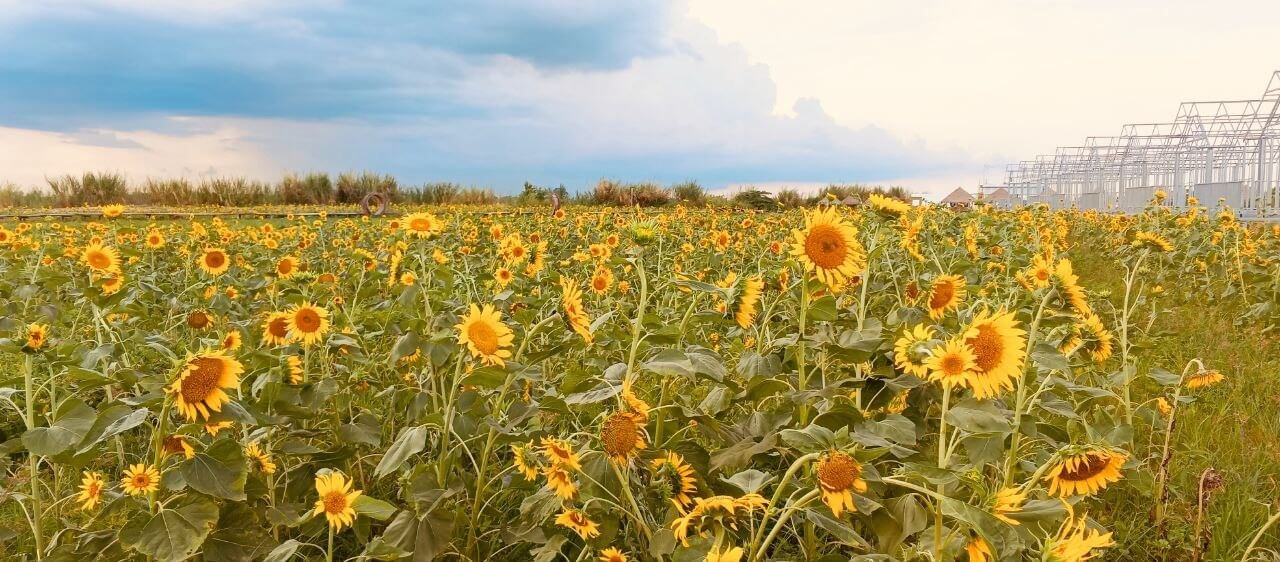
If you look at this single sunflower standing in our Dream Garden, you will understand why resilience and sunflower symbolism have become the same idea to me.
It grows alone beside the heart-shaped structure we built here, and between 4:00 PM and 6:00 PM, the golden hour light falls across it in a way that stops people walking by.

Learning how to grow sunflowers in a tropical climate is what got us here. But before this flower could bloom, we had to overcome extreme heat, scorched earth, and monsoon flooding.
Here is the exact science and strategy we used to save our garden.
Key Takeaways for Tropical Growers
- Fertilizer Burn: Synthetic NPK applied in high heat can rapidly scorch and kill young sunflower roots.
- Root Rot: Standing water around a taproot during monsoon rains will cause fatal root rot.
- The Solution: Maintaining a soil pH between 6.0 and 7.5, building raised beds for drainage, and utilizing deep, infrequent watering.
The Science of Growing Sunflowers in a Tropical Climate
Through trial and error in tropical regions like ours here in Kratie Province, I developed a reliable system for cultivating sunflowers in an environment that swings violently between extreme heat and heavy monsoons.
If you are starting your own garden or trying to save a dying crop, here is the technical blueprint.
1. Best Soil Composition and pH for Sunflowers
Heavy native clay will drown deep taproots. To guarantee proper soil aeration, you must amend your native soil heavily with coarse sand and agricultural perlite.
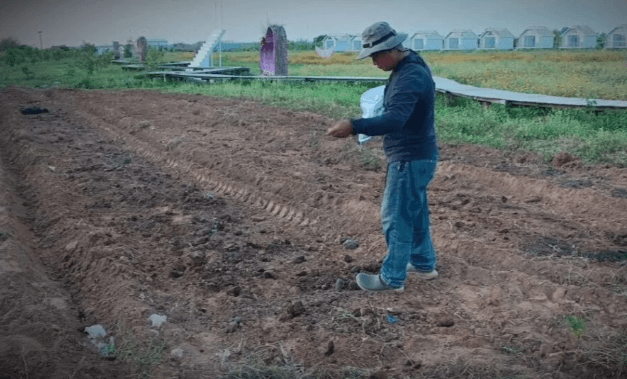
Sunflowers require a soil pH between 6.0 and 7.5 to absorb nutrients safely. I recommend using a digital pH meter to strictly monitor your soil.
Test it regularly, and always test it again after a heavy rain, as intense tropical downpours can alter soil acidity over time.
2. Fixing Sunflower Root Rot With Raised Bed Drainage
Sunflowers develop deep taproots that will quickly succumb to root rot if left in standing water. Never plant flush with the ground in a rainy climate.
To solve this, we changed our landscaping approach completely by building raised beds. Elevating the root zone ensures that excess monsoon water sheds away from the plants.
This raised-bed drainage improved soil aeration and was the single biggest factor in preventing root rot in our fields.
3. Fertilizer Strategy to Avoid Sunflower Fertilizer Burn
In a tropical climate, high temperatures accelerate the release of nutrients in the soil. If you apply a heavy synthetic NPK fertilizer (nitrogen, phosphorus, and potassium) without accounting for the intense heat, it releases too quickly.
This causes severe sunflower fertilizer burn, essentially scorching the delicate root systems of young plants.
To avoid this, avoid high-nitrogen synthetic NPK fertilizers during peak heat. Instead, switch to a slow-release, balanced organic compost blend.
4. Deep Watering Sunflowers for a Stronger Stem
Deep, infrequent watering is much better than shallow, daily watering. When you water deeply, it forces the taproot to grow further down into the soil in search of moisture.
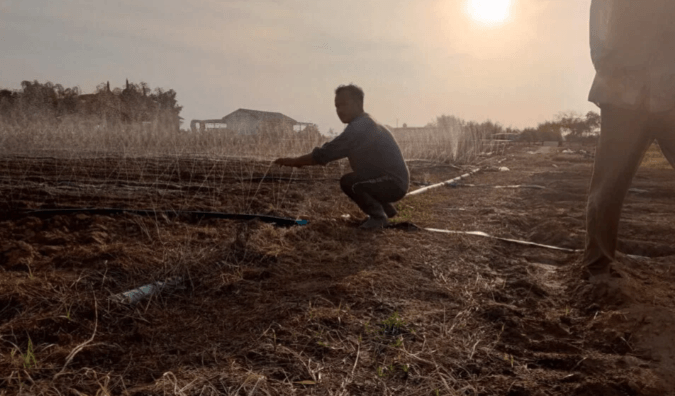
This results in a structurally stronger stem that can better withstand severe storm winds and monsoon weather.
A Case Study: Surviving the Tropical Monsoon
I learned these technical lessons the hard way. When I first started the Dream Garden business, I planted our first flower beds, and three months later, they all died.
The dry season ran extremely hot, and the rainy season turned the flower beds into mud and standing water. As a first-time commercial gardener, I was negligent about soil chemistry and water management.
My mistake with synthetic NPK fertilizer cost me my first crop, and waterlogging from heavy rain was more than those first plants could survive. The extreme heat wiped out even the surrounding grass.
My own journey followed the same pattern as that first dying field. I failed, but I did not surrender. I sat alone in front of a campfire late at night before I launched my second attempt.

I changed my agricultural strategy, focused heavily on soil preparation and drainage, and started over. I stood under that same scorching sun again, my body covered in mud and dirt, doing the work a second time.
That second attempt is what finally worked. Only afterward did people start telling me I was “lucky.”
What the Mud, the Sun, and the Sunflower Represent
Three parts of this story each carry their own meaning to me now:
- The Mud and the Sun: These represent the practical obstacles—like soil pH and waterlogging—and the personal failures we all face.
- The Stem: This represents patience, structural resilience, and the refusal to give up.
- The Bloom: The blooming sunflower represents the success, self-worth, and dignity waiting on the other side of hard work. The bloom means nothing without the mud it grew through.
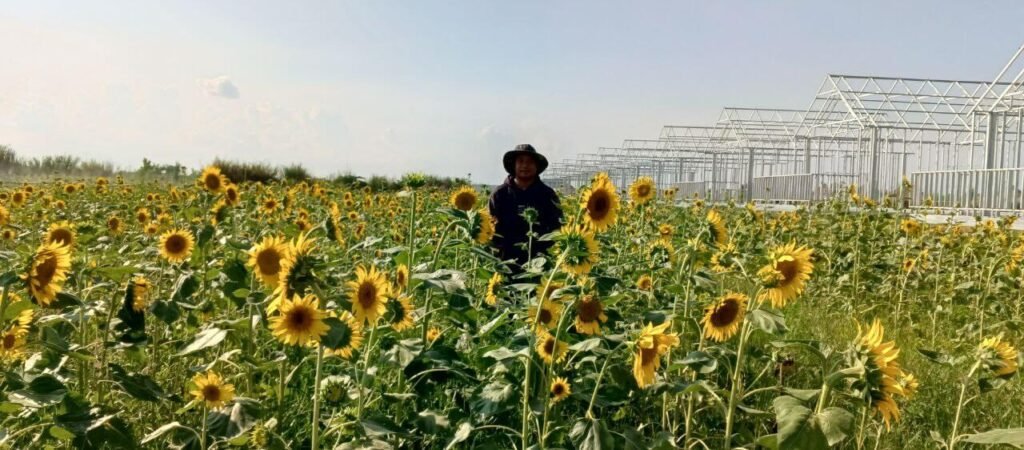
I did not set out to write inspirational quotes about adversity. Still, these lessons came directly from watching a single flower bloom season after season, and from learning the hard science of tropical landscaping.
Do not worry if you find yourself in a difficult place today, or if your first gardening attempts end in failure.
No matter how harsh your surrounding environment may be, as long as you learn from your mistakes, adjust your soil, and refuse to give up, one day you will stand tall.
You will radiate the most beautiful light in your own life, just like the resilient sunflowers standing proudly in our garden.
Frequently Asked Questions
Why do sunflower leaves wilt in hot, humid weather?
Wilting usually points to root stress rather than the heat itself. In our case it was a combination of fertilizer burn and, later, waterlogged roots that could not take up water properly.
What actually causes root rot in sunflowers?
Standing water around the taproot. Sunflowers grow a deep taproot that needs oxygen, and if it sits in soaked soil after heavy rain, it starts to rot instead of grow.
What is the ideal soil pH for growing sunflowers?
Between 6.0 and 7.5. We test ours again after heavy rain, since tropical downpours can shift acidity over time.
Can synthetic fertilizer burn sunflower roots?
Yes. High-nitrogen synthetic NPK fertilizer releases nutrients faster in high heat, and that fast release scorched our young plants’ roots the first time we planted.
How often should sunflowers be watered in a hot climate?
Deep and infrequent, not shallow and daily. That pushes the taproot down into the soil looking for moisture, which builds a stronger, storm-resistant stem.
