


I was never trained to be a manager, and if you’re trying to figure out how to lead a garden business team with no management experience, that’s exactly the position I started in too.
My training consisted of sweeping yards, cutting grass, and planting flowers while riding in my uncle’s trailer since I was a teenager.
Leadership was never part of my plan, yet it happened anyway: first with two employees in 2015, and later in 2023, when I had to learn how to co-lead alongside two business partners instead of doing it all on my own.
If you’re running a garden, landscaping, or flower attraction business and suddenly find yourself responsible for people instead of just plants, this is where you start.
What follows is everything I’ve learned about team leadership in this specific industry, built through real, step-by-step mistakes, not management theory.
Key Takeaways
- Leading garden or landscaping teams differs from office management since the work is physical and guest-facing.
- The hardest lessons came from failure: a first business closing, a year stuck, and Dream Garden collapsing before its rebuild.
- Hiring landscaping crew and hiring seasonal glamping staff call for different approaches.
- Learning to delegate, including trusting a partner’s call, mattered more than controlling everything.
Why Leading a Garden Business Team Is Different
Most leadership advice on the internet is written for office environments. Garden and landscaping businesses do not operate like offices.
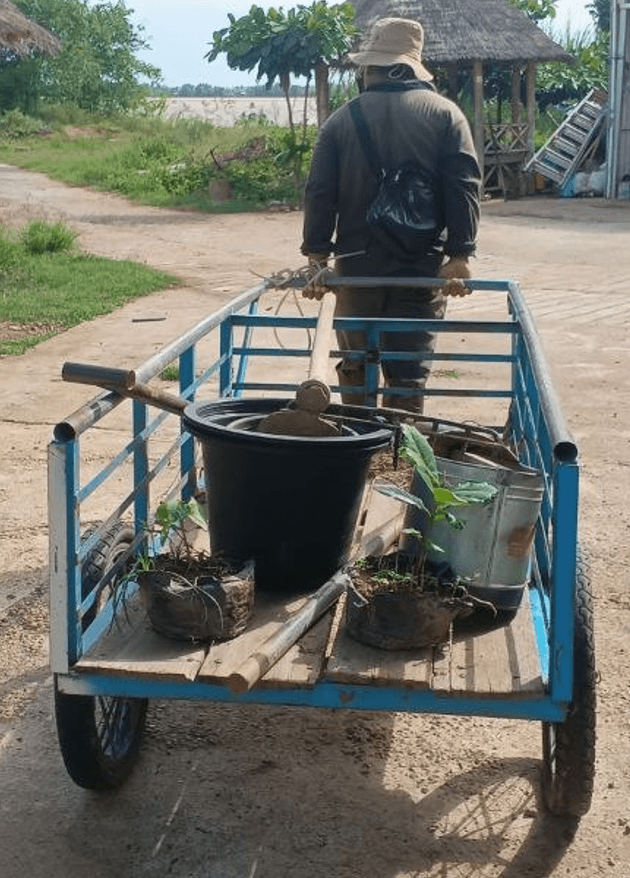
Your team often works outdoors, hauling equipment and plants through physically demanding conditions, leaving them exhausted by the end of the day.
If you run a resort or a modern glamping business, your staff must constantly pivot between manual labor and high-quality guest service within a single shift.
Managing such diverse, physically taxing work requires a unique kind of leadership where generic advice falls short.
The Reality of Leading a Garden Business
That mismatch is exactly why I started writing this series. Every management book I picked up assumed a desk, a quiet meeting room, and predictable hours.
None of that describes a landscaping crew hauling soil in the heat, or a glamping team switching from setting up tents to greeting guests within the same afternoon.
If you’re leading people in this industry, you’re translating advice built for a different world every single day, whether you realize it or not.
Turning Points in My Garden Business Leadership
I didn’t learn leadership in a classroom. I learned it across three distinct phases of my career, each teaching me lessons I had never grasped before.
2015: My First Landscaping Business and My First Two Employees
Three months after launching, the workload exceeded what I could handle alone, so I hired two neighbors to help. I made fundamental mistakes back then: no proper recruitment process, no clear salary structure, and an entirely improvised management style.
2017 to 2019: Closing the Business and Freezing the Project
I closed that first business with a vision for something bigger: Dream Garden. But instead of starting it, I spent over a year paralyzed by the fear of making mistakes. During that time, no one was leading anything, not even myself.
2021: Dream Garden’s Failure, With No One to Lead But a Dog and a Laptop
I launched Dream Garden in 2019, but by 2021, it had failed. I found myself sitting in an empty field, working from a laptop with only my dog beside me.
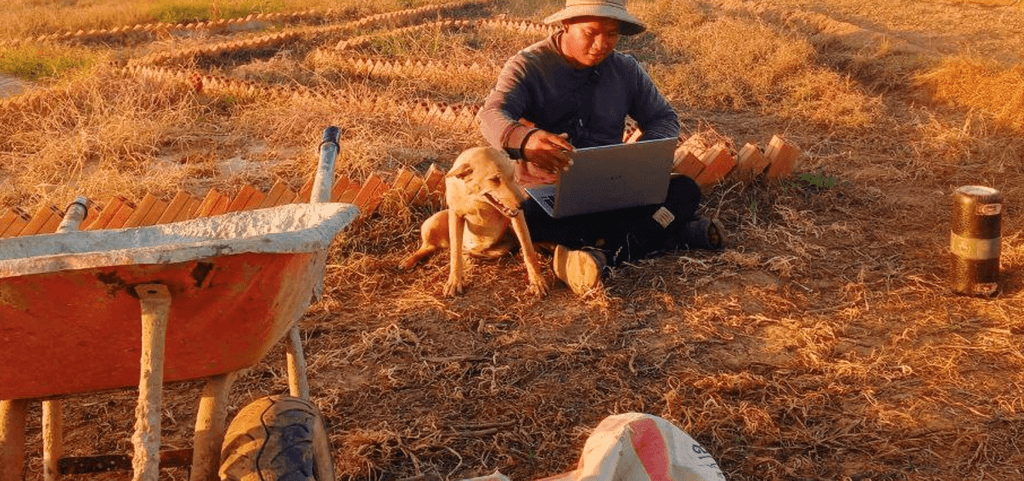
I remember searching the internet for other people’s failure stories, but I found nothing except perfectly polished success narratives. That was the moment I decided that leadership, for me, meant daring to share the realities that no one else talks about.
2023 to Present: Rebuilding Dream Garden and Leading a Business With a Partner
This time, leadership wasn’t just about managing employees. It meant sharing decision-making with two other people, a dynamic I had never navigated before. One story in particular sticks with me today.
When we started rebuilding Dream Garden, our flower fields were blooming, so we opened the site to guests for photography. We continued construction simultaneously to gradually generate income rather than just depleting our budget.
Eventually, I thought of a strategy to boost our revenue further: building “Tiny Homes” for overnight accommodation.
I pitched this project to my partners. However, one partner, a professor at the University of Management and Economics, rejected the plan. He explained that while the project was excellent, my approach lacked strategy and vision.
Instead of building houses immediately, he instructed us to set up 5 tents first to test the market.
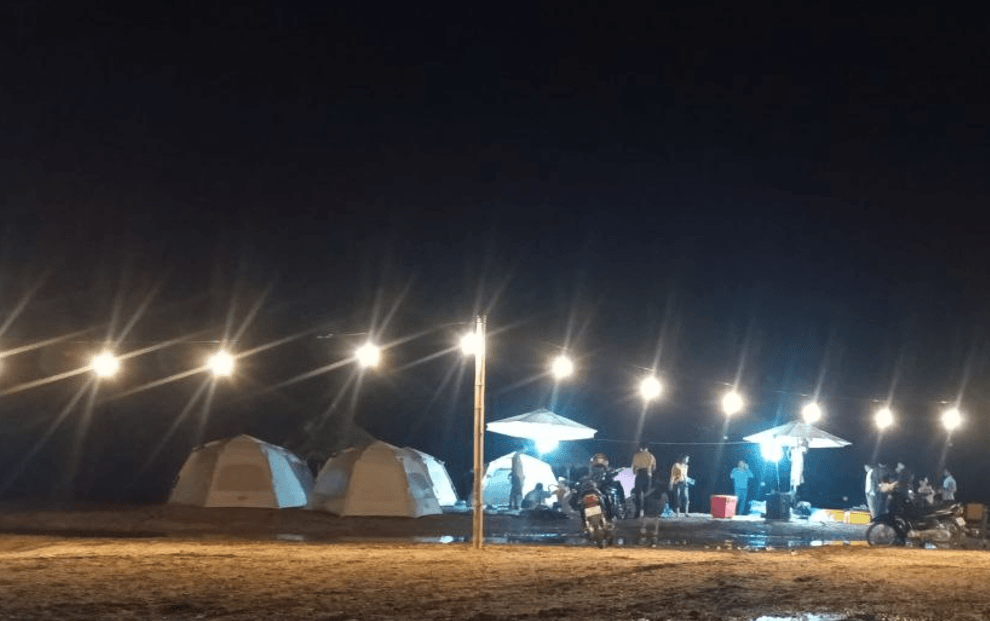
This would allow us to see if guests were actually interested in staying overnight, evaluate the booking momentum, and assess the pros and cons.
The test run was a massive success, which greenlit the next step: constructing the actual Tiny Homes.
Looking back, if I had built the houses immediately, it would have required a massive capital investment. If it succeeded, great, but what if it failed? That realization stays with me. Why didn’t I think of a phased, testing approach like he did?
Read the full story: Ground Tents vs Raised Tiny Homes for Tropical Glamping
How to Hire Your First Landscaping Employees
Every garden business eventually needs help, and getting it wrong early costs you time and trust you don’t get back. Looking back at 2015, the mistake wasn’t hiring too early. It was hiring without any structure in place first, which is a much easier trap to fall into than it sounds.
Hiring your first employee comes with its own blind spots: pay structure, expectations, and the shift from doing the work to managing it.
I cover exactly what went right and wrong the first time I did this in What I Wish I Knew Before Hiring My First Two Landscaping Employees.
How to Hire Seasonal Staff for a Glamping Business
Staffing a flower attraction or glamping business requires a completely different hiring approach than a standard landscaping crew, since your team is guest-facing as much as it’s hands-in-the-soil.
I broke that down fully in How to Hire and Train Seasonal Staff for a Flower Attraction or Glamping Business.
Finding reliable crew members on a tight budget, and training staff so they actually stay season after season, is coming soon in this series.
How to Delegate as a First-Time Manager
Leading two employees is one thing. Co-leading with business partners is entirely different.
When I relaunched Dream Garden in 2023, I had to let go of my urge to control every single decision. That habit made me a highly active landscaper, but it made me a weak, inflexible first-time manager.
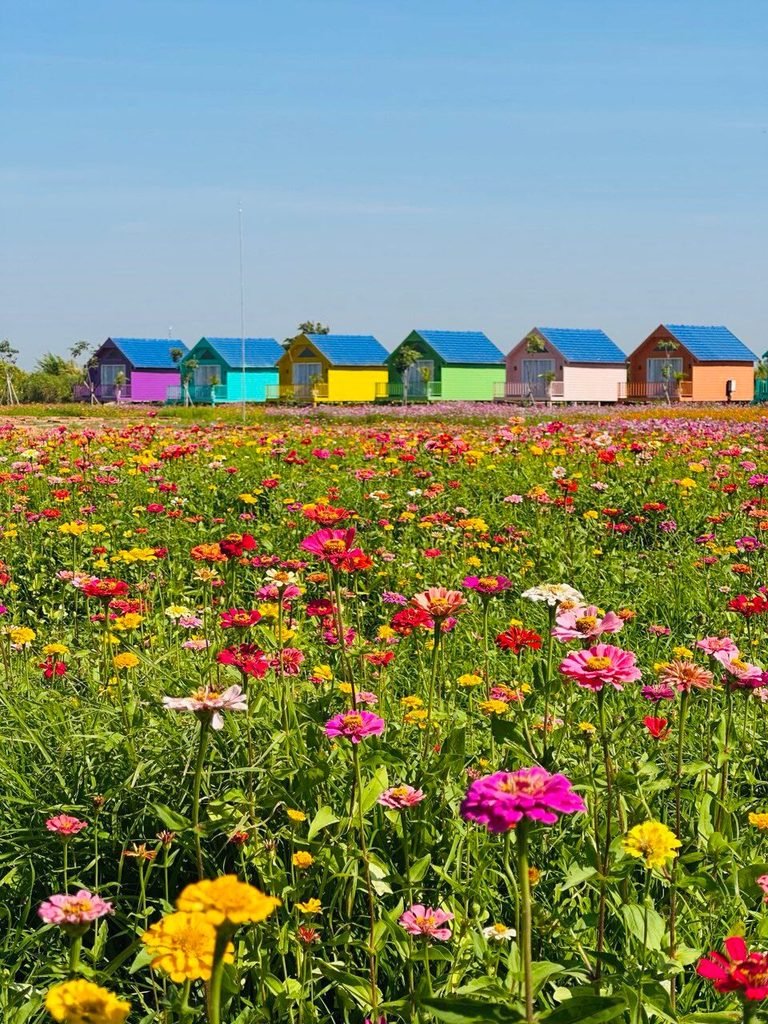
For example, when we were preparing to build the Tiny Homes, I decided to paint all the houses a single uniform color.
My partner rejected this idea as well. He chose a multi-colored scheme, creating what we call “rainbow houses,” because the varied, vibrant colors perfectly complemented the ornamental zinnia flowers we planted around them.
Both times, the instinct to control the outcome came from the same place: years of being the person who did everything myself. Letting a partner’s judgment win, even when it meant admitting my first idea wasn’t the best one, is still the harder skill for me than any physical part of this work ever was.
Leadership Lessons From Failure in a Small Business
This is the part most leadership content entirely ignores. I didn’t become a good leader through success.
I became a leader by losing my business in 2017, remaining stuck for over a year, and watching Dream Garden collapse in 2021.
If you’ve been through something similar, you know that failure doesn’t just cost you money. It strips away confidence in your own judgment, which is the very foundation of leadership.
A Practical Starting Framework for Garden Business Teams
If you’re about to hire or already have a team depending on you, here is where you must start.
- Be honest about your own management shortcomings before you hire. Knowing how to execute the work does not mean you know how to lead others to do it, and admitting that early saved me from repeating my 2015 mistakes.
- Document salaries, working hours, and expectations in writing before day one. Vague conversations now will become conflicts later, usually at the exact moment you can least afford them.
- Hire for the specific skills the role requires. Landscaping skills and guest communication skills are not interchangeable, and treating them as the same thing is how a glamping or resort hire falls short in the first week.
- Build a clear workflow before you expand. You cannot delegate a process that has never been documented, no matter how clearly it lives in your own head.
- Decide how you will relinquish control before you are forced to. Whether with employees or business partners, waiting until you feel overwhelmed is already too late, since that’s exactly the state I was in more than once.
- Choose a business partner the way you would choose a great employee. Hire for fit and alignment, not just because they happen to be available, the way my partner’s insistence on testing before building proved out in practice.
Conclusion
I didn’t choose to be a leader. My business grew, then failed, then grew again, and along the way other people became reliant on me.
Every article in this series comes from real, immediate challenges I had to solve on the ground, not theories pulled from a management textbook. None of it came easily, and none of it came from a course or a certification.
If you’re facing what I faced in 2015 or 2023, learning how to lead a garden business team with no management experience is possible. It just doesn’t look like the leadership advice written for offices.
I hope this series helps you skip some of the painful lessons it took me years to learn, the same way I wish someone had handed me a shortcut back when I was hiring my first two employees with nothing but instinct to guide me.
Frequently Asked Questions
Do I need formal management training to lead a landscaping crew?
No. My only training before managing anyone was years of hands-on landscaping work. What I lacked in formal training, I made up for by learning directly from mistakes with real employees and, later, a real business partner.
What’s the biggest hiring mistake first-time garden business owners make?
Skipping structure. When I hired my first two employees in 2015, I had no proper recruitment process, no clear salary structure, and an improvised management style, and one of those employees eventually resigned as a result.
How is staffing a glamping or flower attraction different from hiring landscaping crew?
A landscaping crew mainly needs physical, hands-in-the-soil skills. A glamping or flower attraction team also needs guest-facing skills, since staff move between manual labor and hospitality within the same shift.
How do you know when to let a business partner’s idea override your own?
For me it was the Tiny Homes decision. I wanted to build immediately; my partner insisted on testing with 5 tents first. His phased approach avoided a massive upfront capital risk and proved the concept before we committed.
Can failure make you a better business leader?
In my experience, yes. Losing my first business in 2017, staying stuck for over a year, and watching Dream Garden collapse in 2021 taught me more about leadership than any success did, because failure forces you to rebuild your judgment from the ground up.
