

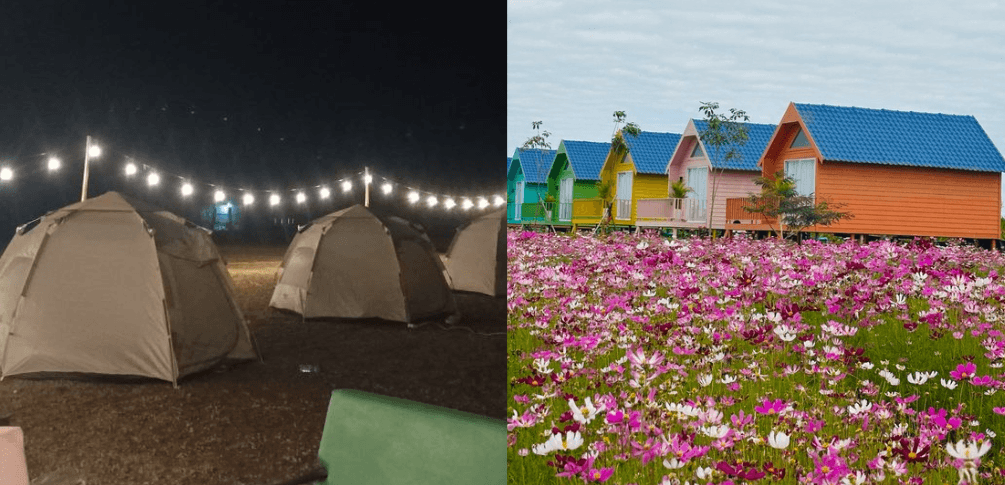
When we first introduced overnight accommodations at Dream Garden, we didn’t build any permanent structures. We simply pitched five canvas tents in the middle of the field and called it “glamping.”
We didn’t know it yet, but we were about to run a real-world test of ground tents vs raised tiny homes for tropical glamping—one that would cost us a rainy season’s worth of flooded bookings before we found a design that actually worked.
I was thrilled on that very first night when all five of our tents were fully booked. I went over to chat with the guests while they were barbecuing food they had brought from home.
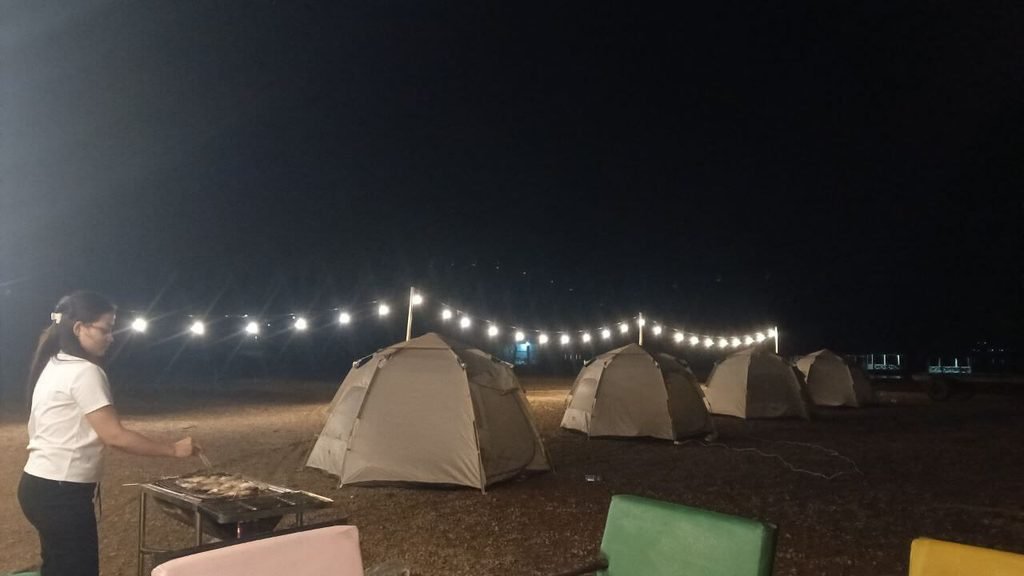
When I asked how they were enjoying their stay, they happily said the cool breeze mixed with the fragrant flowers made the night feel special. I joked that the flowers couldn’t quite compete with the smell of their barbecue, and we all laughed.
For a while, everything worked perfectly. Then the rainy season arrived.
Key Takeaways
- Initial Costs: Ground tents cost less upfront but flood badly once the rainy season hits, costing bookings.
- Revenue Boost: Raised, steel-frame tiny homes fixed the flooding and lifted revenue 40% within nine months.
- Construction: Building with wood first was expensive; steel frames with paint needed only basic labor.
- Climate Matters: Tents still work fine if you have a genuine dry season.
Should You Start a Glamping Business With Tents First?
Tents were the ideal initial choice. They required a low upfront investment, blended seamlessly with the natural environment of the flower garden, and let us test whether guests genuinely wanted to stay overnight before we committed heavy capital to construction.
Building permanent “Tiny Homes” wasn’t in our plans yet. We didn’t know if this overnight service would even work. Testing the waters with five tents was the right scale to find out.
During that first dry season, the tents met our needs perfectly. Guests loved falling asleep surrounded by flowers instead of staying in a standard hotel room.
It was simple, highly photogenic, and brought in our very first overnight revenue—a figure that far exceeded our standard general admission ticket sales.
If you’re weighing the same question, our early experience matches a broader pattern worth reading about in test demand before you build.
Why Glamping Tents Flood in the Rainy Season
Then the rainy season came, exposing a critical weakness that canvas tents simply couldn’t handle: water pooling.
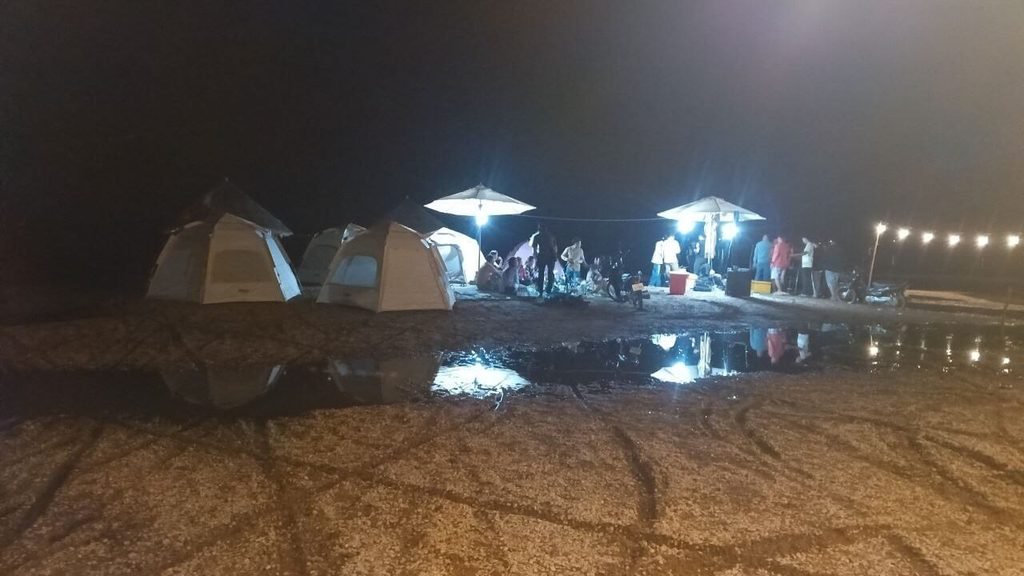
Pitching ground tents in a tropical climate doesn’t just create difficulties during heavy downpours. The structure itself creates operational nightmares for your business.
The campsite turned into a waterlogged, muddy field. Water pooled underneath the tents, mud seeped through the seams, and a single overnight storm could turn a peaceful glamping retreat into a flooded, chaotic mess by morning.
I vividly remember one specific weekend. I checked the booking system on Friday and saw we were fully booked.
On Saturday, starting at 2:00 PM, it rained non-stop. Water pooled around the tents, and the walkways became incredibly difficult to navigate, leaving our guests trudging through mud. Surprisingly, they didn’t complain. As locals living in the tropics, they understood the weather.
However, this was unacceptable to me. We needed to evolve, because this was a real opportunity for growth. That was the moment we stopped treating flooded tents as occasional bad luck and started viewing it as a fundamental design flaw that needed a permanent solution.
Ground Tents vs Raised Tiny Homes for Tropical Glamping: The Comparison Table
If you’re facing a similar decision, here’s an honest comparison between the two options, based entirely on our own operational experience.
| Factor | Ground Tents | Raised Tiny Homes |
| Upfront cost | Low | Significantly higher |
| Rainy season performance | Poor, prone to flooding and water damage | Strong, raised off the ground and weatherproof |
| Guest comfort | Variable, weather-dependent | Consistent year-round |
| Maintenance | Frequent replacement and repairs after storms | Lower long-term maintenance |
| Photo/aesthetic appeal | Rustic, natural | Colorful, distinct, highly photographable |
| Revenue reliability | Seasonal, drops off in rainy months | Stable across seasons |
This comparison doesn’t mean tents are bad. They work exceptionally well in dry climates or during the dry season. But they become unreliable once your business needs to run year-round.
If you’re operating a flower garden attraction and relying on glamping as a core revenue stream, you need a setup that stays open all year.
How to Design Elevated Tiny Homes for Glamping
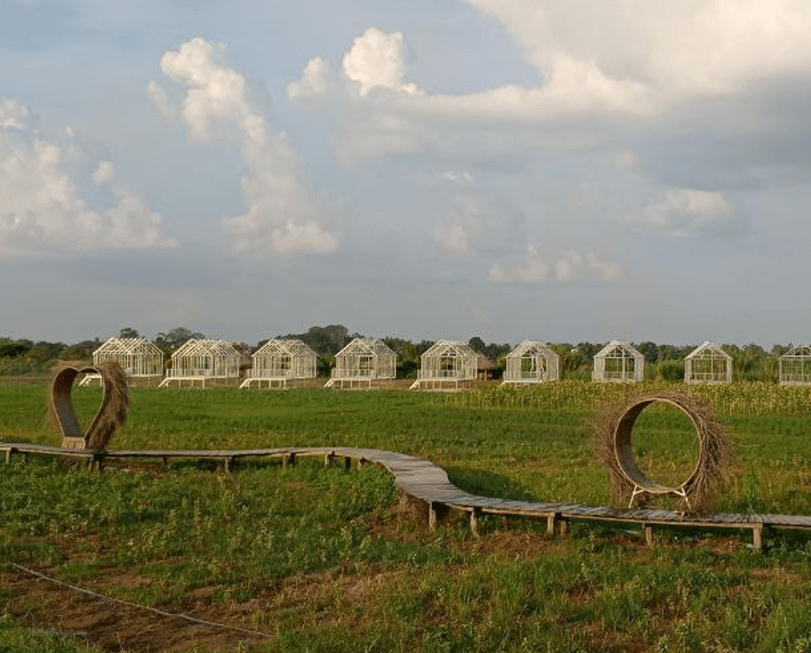
Once we decided to move away from tents, our design principles were simple:
- Elevate the guest accommodations off the ground.
- Keep the vibrant aesthetics that complemented the garden.
- Make sure the structures could handle the rainy season without repeating past failures.
After more than 15 days of discussion, step one was building simple tiny homes focused mainly on protecting guests from wind and rain during the monsoon season.
After the steel frames went up, we moved to the second phase of planning. We built the units as compact structures painted in bright colors: blue, yellow, green, and pink.
By raising them off the ground and placing them in the middle of the flower field, guests still felt connected to nature, the same way they did in the tents.
Keeping a color palette that matched the flower garden mattered just as much as fixing the structural problems. Guests aren’t only paying for a dry place to sleep.
They’re paying for the immersive visual experience the tents used to provide, now in a structure that can handle storms.
Revenue Impact of Switching From Tents to Tiny Homes
The most immediate difference was simple: rain stopped being a reason to worry about nightly bookings. Between the third and ninth months after construction was finished, we saw a 40% increase in revenue compared with our time using standard tents.
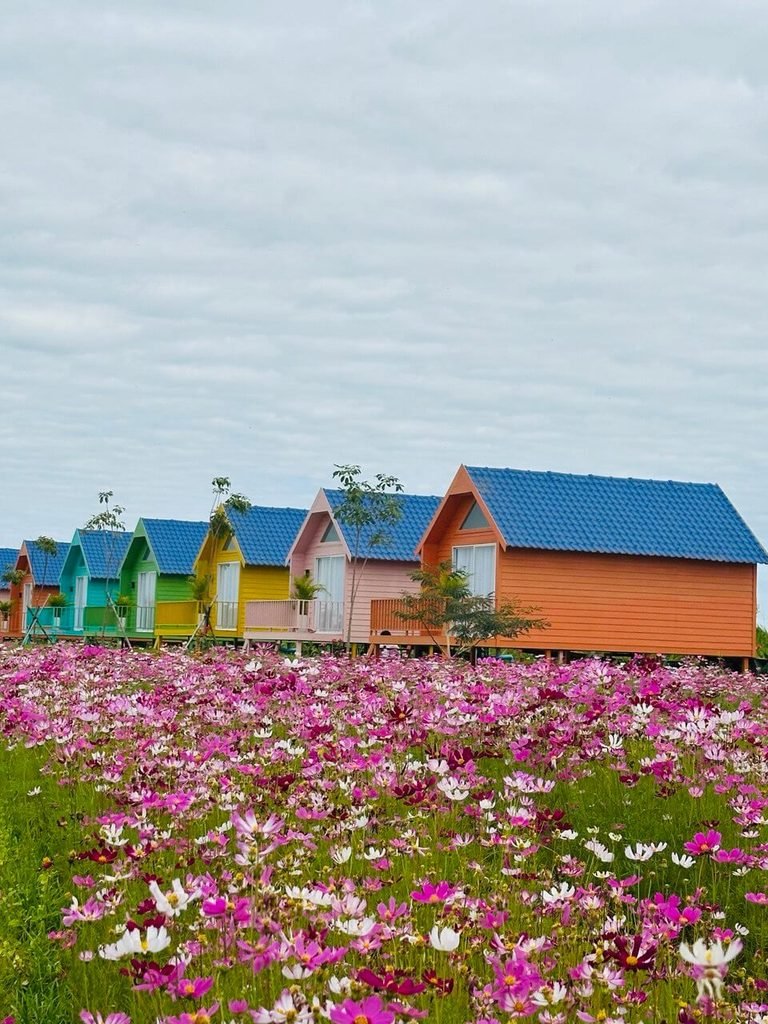
Beyond the revenue growth, the tiny homes changed how we marketed our glamping services. Instead of hoping for good weather, we could guarantee guests a comfortable stay regardless of the season.
That matters in a region where the rainy season isn’t an occasional inconvenience. It’s a weather pattern that lasts half the year.
Steel Frame vs Wood Tiny House Construction: What We’d Do Differently
Switching to tiny homes solved our flooding problem, but we didn’t get everything right on the first try.
Our first mistake was building the tiny homes entirely out of wood with heavy tile roofs. That turned out to be expensive, slow, and left us completely dependent on specialized carpentry engineers.
The solution we eventually landed on was steel construction. We applied colorful paint to each house, and just as important, this approach only required basic labor. We no longer needed highly skilled woodworkers.
If we were starting over today, knowing what we know now, we’d shorten the gap between the “tents failing” phase and the “tiny homes construction” phase.
That in-between period, where neither solution was fully working, was the hardest part of the whole transition.
Is Glamping Profitable for Garden Attractions?
Overnight accommodations consistently bring higher profit margins than general daily admission tickets.
That’s exactly why many flower gardens and attractions eventually add lodging. But the type of accommodation you choose has to match your actual climate, not just your starting budget.
If you’re in a region with a real dry season and manageable rainfall, tents can be a great, low-cost way to test demand before committing to permanent structures.
If you’re in a tropical or monsoon-heavy climate like ours, budget with the mindset that tents are only a temporary stepping stone. Plan your cash flow for permanent structures instead of getting caught off guard the way we were.
Choosing Between Ground Tents vs Raised Tiny Homes for Tropical Glamping
If your rainy season lasts a few weeks, tents may be all you need. If it lasts months, as ours does, budget for raised tiny homes from the start, and treat tents as a short testing phase rather than a long-term plan.
For a deeper look at getting a new tropical glamping business off the ground, read our guide on how to start a glamping business in a tropical climate.
Final Thoughts
Our experience with ground tents vs raised tiny homes for tropical glamping came down to one lesson: match your structure to your climate, not just your budget.
Tents got us started cheaply and proved guests wanted to stay overnight. Raised, steel-frame tiny homes are what let us operate profitably every month of the year.
Frequently Asked Questions
Do raised tiny homes really cost more to build than tents?
Yes. In our comparison, upfront cost for raised tiny homes was significantly higher than for ground tents. The tradeoff is better weatherproofing, lower long-term maintenance, and steadier revenue across seasons.
Can ground tents work at all in a tropical climate?
Yes, during the dry season ours performed well. The problems started once the rainy season began, when water pooling and mud made the tents difficult to maintain and unpleasant for guests.
What’s the best material for building tiny homes for glamping?
Based on our experience, steel framing with painted exteriors worked better than wood with tile roofing. Wood required specialized carpentry and was slower and more expensive, while steel only needed basic labor.
How much of a revenue difference did switching to tiny homes make?
We saw a 40% increase in revenue between the third and ninth months after construction, compared with our revenue during the tents-only period.
Is adding glamping worth it for a flower garden or attraction business?
Generally yes, since overnight stays carry higher margins than day tickets. But the right structure depends on your climate. In monsoon-heavy regions, tents alone won’t support year-round bookings.
