


When we first launched Dream Garden, figuring out how much to charge for a flower attraction business felt like guessing in the dark. As entrepreneurs, pricing a brand-new experience is one of the most intimidating hurdles you face.
We initially set general admission at just $3 per person and rented our tiny homes for $15 per night.
However, those numbers were never meant to be permanent. They were introductory prices designed to attract early visitors while we tested our core business model and confirmed the concept was viable.
Key Takeaways
- Test the Market: We launched Dream Garden at a highly discounted $3 admission and $15 per tiny home night to test local demand before establishing permanent rates.
- Monitor Expenses: After 8 to 10 months of smooth operations, rising expansion and maintenance costs forced a necessary pricing pivot by month 11.
- Establish Standard Pricing: Our final, sustainable pricing model became $9.99 for admission, $4.99 for children, and $29.99 per tiny home night.
- Value-Add Transitions: We were completely honest about the end of our promotion and introduced a new $2.99 Mekong River cruise to soften the price increase for our guests.
Launch Pricing Strategy: Why We Started So Low
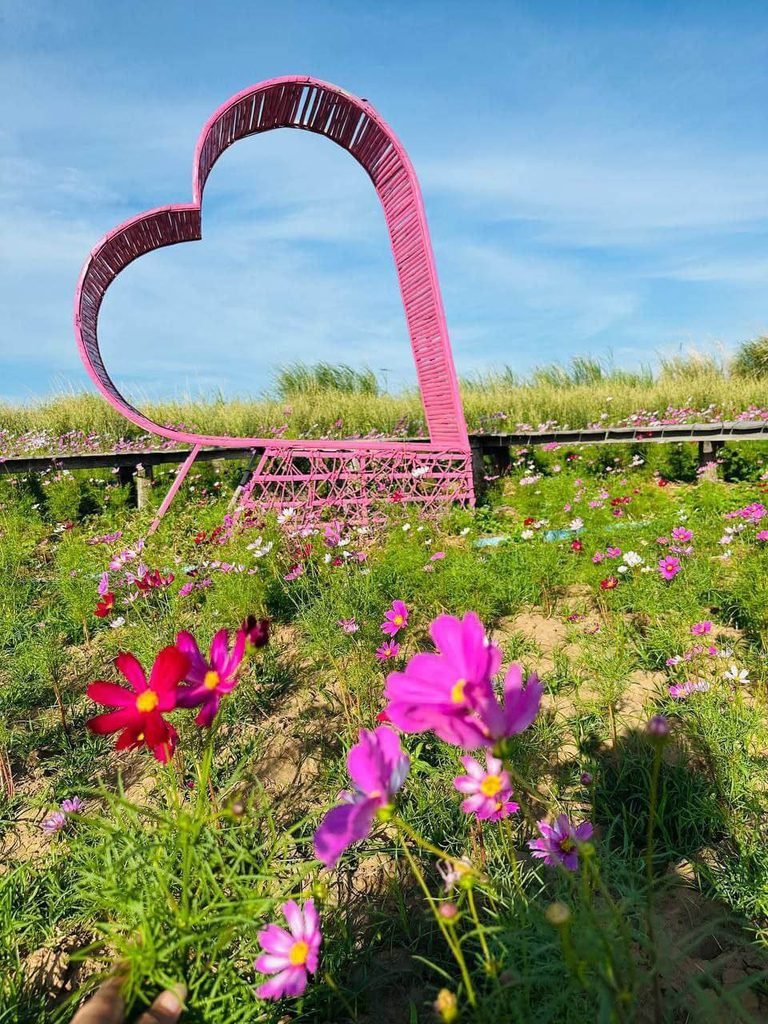
Setting a low initial price for Dream Garden was not a mistake, nor was it a sign that we undervalued our business. It was a deliberate, premeditated growth strategy.
For a new physical attraction, we needed the local community to recognize and trust our brand before we could ask them to pay a premium.
A low admission fee was the fastest way to reduce friction, attract our first waves of guests, and get word-of-mouth marketing moving.
With a $3 admission fee and a $15 per night tiny home rental, the barrier to entry was practically non-existent. That was the entire point. We were not trying to turn a massive profit in the first few months.
Our objective was purely operational: we needed to find out if the general public actually wanted what we had built.
When to Raise Prices After a Grand Opening
Promotional pricing only works once—at launch. Treating our introductory rates as permanent instead of temporary marketing tools would have eventually bankrupted the project.
Through internal meetings and rigorous cost-revenue analyses, we knew as early as month 7 that our current income did not justify our growing operational expenses. So, why didn’t we raise prices right away?
After discussions between our administrative and marketing teams, we realized our brand reputation had not fully reached every potential customer demographic.
Furthermore, our newly expanded entertainment areas had not been widely promoted yet. Because we maintained strict financial discipline—having spent only 3% of our primary budget while preserving our emergency fund—we had the runway to hold the original pricing a little longer.
We maintained our launch pricing until month 11. From month 7 onward, we focused heavily on community marketing, believing this window was enough time to solidify local customer awareness.

By the time month 11 arrived, the question was no longer whether we should raise prices, but how to do it without losing the goodwill we had built.
Calculating Ticket Prices for a Tourist Attraction
Determining our post-promotion pricing was a complex process that took a full month to finalize.
We achieved our new rates by analyzing the real cost per visitor, evaluating competitor pricing in the surrounding area, and carefully factoring in the local standard of living.
Here is exactly how our pricing structure evolved once we moved past the launch phase:
| Category | Launch Pricing | Standard Pricing |
| General Admission | $3.00 | $9.99 |
| Children’s Admission | Free | $4.99 |
| Tiny Home (per night) | $15.00 | $29.99 |

How to Price Tiny Home Rentals at an Attraction
Our on-site accommodations followed the exact same logic as our admission tickets. The $15 launch rate was tied to proving demand before charging what the hospitality experience actually costs to run.
Once we raised the tiny home pricing to $29.99 per night, the rate accurately reflected the real costs of housekeeping, property maintenance, and future expansions, rather than just what early-adopter guests were used to paying.
How to Manage Guest Reactions to Price Increases
It is completely normal for some guests to express frustration when a business transitions to standard pricing. We anticipated this friction and built a transition strategy founded on one core principle: strict honesty.
When we initially marketed our launch prices, we laid the groundwork for this transition by making two things explicitly clear:
- This was a promotional price, not a permanent rate.
- The promotional price applied only while the attraction was still expanding. Once fully upgraded, official pricing would take effect.
To further soften the transition and offer immediate new value to returning guests, we launched a brand new experience: a Mekong River boat cruise for just $2.99 per person.
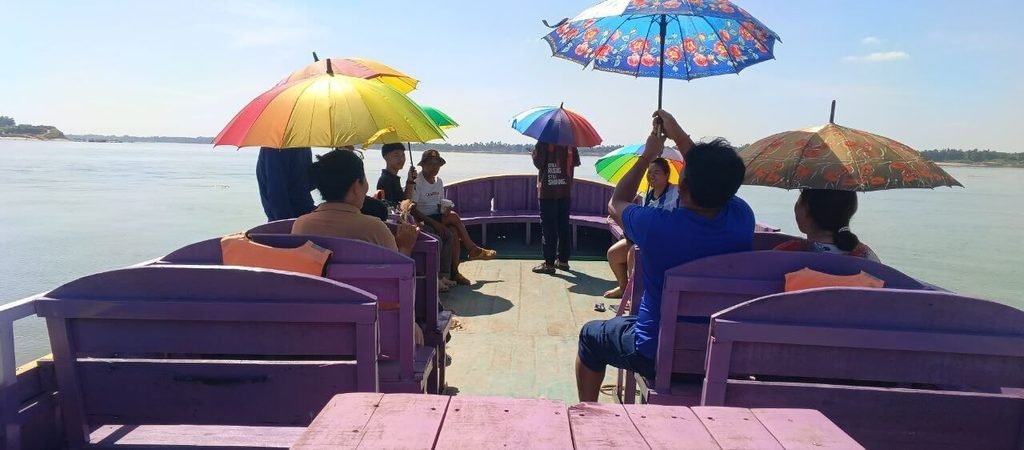
Changing prices is one of the very few business decisions that triggers an immediate, highly visible reaction from your customer base.
Managing that reaction with transparency and new value is one of the most critical lessons an entrepreneur can learn.
Final Thoughts: Pricing for Long-Term Survival
Ultimately, a launch price is simply an entrepreneurial tool. Its only job is to answer one vital question: Is this business model viable?
Once you have proven that the demand exists, keeping your prices artificially low out of habit—or out of fear of customer criticism—only delays the inevitable. At some point, you must test whether your business can survive on the revenue it actually needs to operate sustainably.
That is the exact roadmap we followed with Dream Garden, and it is the standard process we recommend to any attraction, garden, or resort owner wondering how to navigate the terrifying jump from launch promotions to permanent profitability.
Frequently Asked Questions
Is it a bad idea to open a new attraction with low prices?
No. At Dream Garden, launching with a low $3 admission fee and $15 tiny home rate was a deliberate strategy to attract visitors and test demand, not a long-term pricing plan.
How long should a grand opening discount last before prices go up?
There’s no fixed rule, but for us it was about 11 months. We knew by month 7 that our launch pricing wasn’t sustainable, but we waited until month 11 to raise prices so we had time to build broader brand awareness first.
What should I do if guests are upset about a price increase?
Be upfront before it happens. We told guests from the start that our pricing was promotional and temporary, and we softened the actual transition with a new $2.99 Mekong River cruise offer.
How much should I charge for tiny home or bungalow rentals at an attraction?
There’s no universal number. We started at $15 per night to attract early guests, then raised it to $29.99 once we calculated our real costs, competitor pricing, and local standard of living.
Do I need to explain a price increase to customers, or just make the change?
We chose to explain it clearly. Telling guests upfront that launch pricing was temporary made the eventual increase feel expected rather than like a bait and switch.
