


In mid-2017, I felt completely overwhelmed and lost. I didn’t know what to start or where to begin.
What gave me the biggest headache was figuring out how to choose a business idea that could carry me from employee to business owner. I weathered many storms in life before this business finally became successful.
Starting a business is only possible if you have the right business idea first. The real challenge is that many people don’t know how to find that idea, or how to choose the best one when they have multiple concepts competing for their attention.
In this article, I want to share the practical techniques I pulled from my own difficult, bitter experiences, including my failures, so you can discover and select the best idea for your own business.
Key Takeaways
- Base your business idea on skills and experience you already have, not on what looks trendy.
- Talk to real people around you to find a problem worth solving before you commit to anything.
- Test the idea with real market research and a SWOT analysis before you spend money to launch.
- Failure due to poor financial management is common and survivable with the right team behind you.
How to Find a Business Idea Based on Your Skills and Experience
Everyone has different skills, experiences, and passions, shaped by where they live, who they spend time with, and how they spend their days.
My uncle was an engineer, and back when I was 20 years old, I spent my free time on Saturday or Sunday afternoons riding along with him on his motorbike trailer.
Whenever he landed a new project, whether that was yard cleaning, lawn mowing, planting flowers and saplings for residential homes and gardens, or house construction, he brought me along.
I observed, thought things through, evaluated the work, and served as his assistant. He trained me in almost everything.
You do not need to be a top-tier expert right away. You simply need to leverage a skill you already have. Because I had been around this work since I was 20, I developed a genuine love for it.
That love eventually led me to start a mid-sized residential landscaping service in 2015, focused on yard cleaning, lawn care, and planting.
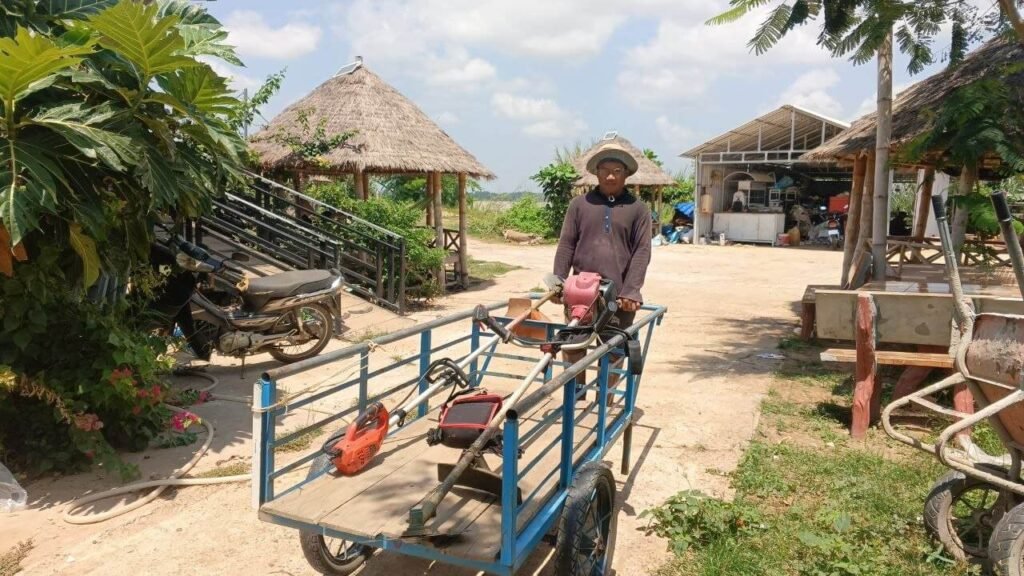
When I started, all I had was a single motorbike trailer to carry my grass cutter and tools. After running the service for just three months, I was able to hire two additional employees. That was my very first real work experience.
Turn Your Own History Into a Business Idea
Experience is simply what you have lived through, in life and at work. You can look back at both your skills and your experiences to shape a business idea, something you are genuinely passionate about and ambitious enough to execute.
A few examples of how this works in practice:
- A love for orchids can become a boutique nursery business.
- Experience building retaining walls can become a hardscaping service.
- A passion for organic soil health can lead to a specialized composting business.
- Knowing how to prune fruit trees can become a seasonal orchard service.
For me, because I had been involved in this work since I was 20, I fell in love with it. I ran my yard maintenance service until 2015, and that experience eventually led me to start the Dream Garden business.
If you have real experience in a specific field already, use that as your foundation.
How to Identify a Problem Worth Solving Before Starting a Business
In mid-2017, I stopped running my residential landscaping business. Despite the passion and experience I had built since I was 20, I hesitated.
By 2018, I had plans to officially launch Dream Garden, but fear and the desire to wait for the perfect moment held me back. I wasted over a year waiting and achieved nothing.
During that lost year, I reflected on the times I had been let down by certain companies. I listened to my friends and watched the people around me deal with similar frustrations.
I realized it was entirely possible to step into those gaps and build something that improved on what already existed.
I also ran informal surveys among the people around me, especially family, classmates, colleagues, and relatives.
I asked them directly about their frustrations and the recurring problems that had never been properly solved, and I paid attention to the areas no company had bothered to fix yet.
This turned out to be one of the most reliable ways to generate a solid business idea.
Think About the Human Needs Your Business Will Fulfill
Why did I land on Dream Garden specifically? Because people everywhere share the same fundamental needs: the need to relax, to relieve the stress of a long workweek, and to experience a kind of fulfillment that people simply cannot live without.

People crave fresh air, beautiful flowers, sweet fragrances, and a peaceful place to sit and watch the sunset.
Plenty of companies try to meet needs like these, but my approach was to deeply analyze the specific area where I wanted to operate.
I thought through the daily, monthly, and yearly needs of the local community and built a concept capable of meeting those demands in a way that felt distinct.
How to Choose a Business Idea Among Multiple Options
After working through the three stages above- skills and experience, problems worth solving, and human needs- I wrote down at least 10 potential business ideas.
Then I started filtering them down to find the one I loved most, had the strongest skills for, felt the most ambition to execute, and saw the greatest potential to scale.
Ask Yourself These Questions Before You Commit
- What is the single best business idea for you, out of everything on your list?
- Why did you choose this particular idea? List three core reasons.
- What is your actual level of passion for this concept?
- Are you certain you have the skills to execute it?
- How scalable is this idea, realistically?
Running your shortlist through these five questions is what separates picking an idea you like from choosing a business idea you can actually build a career around.
How to Test a Business Idea Before You Launch
Once I finalized my business idea in mid-2019, I immersed myself in it fully to make sure I was clear on the path ahead and that the idea was genuinely viable.
I studied the market size, the target audience, and my competitors. I also ran a SWOT analysis, looking honestly at the strengths, weaknesses, opportunities, and threats tied to my business concept.
Prepare Yourself for Failure, and How to Recover From a Failed Business and Start Again
This part matters for every business owner. In mid-2019, I officially launched Dream Garden. After running it for over a year, I failed in 2021, for one major reason: poor financial management.
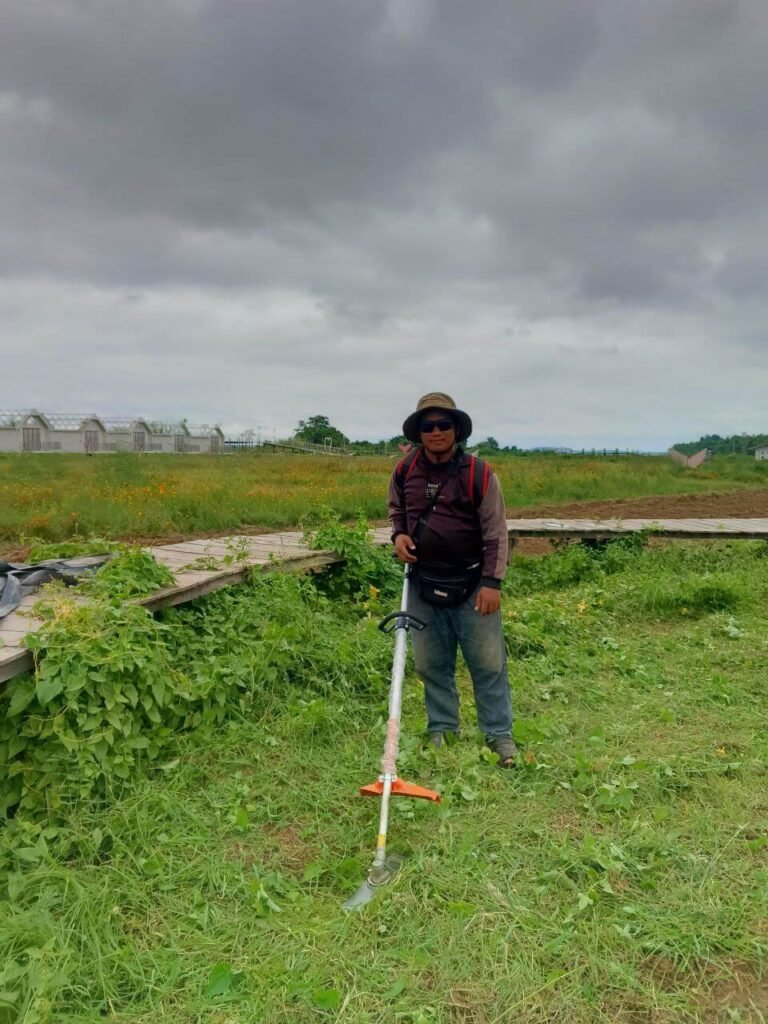
Most people assume the biggest obstacles to entrepreneurship are time or money. In my experience, the real reason people never start is fear of failure.
That fear can paralyze you before you even begin, but failing does not make you weak, incapable, or worthless. Shift your mindset, and you will find that failure is actually a powerful tool for growth.
Instead of fearing it, be willing to fail, and trust that the work you are putting in will eventually pay off.
No successful entrepreneur has gotten there without failing first. What matters is what you do afterward: learn from the mistake, and turn the problem into your next opportunity.
How to Choose the Right Business Partner for a Startup
In 2021, my business failed, but my spirit and determination did not. My goal stayed exactly the same.
What had to change was my strategy. I spent the next two years studying my mistakes, attending training courses, and analyzing my competitors closely.
In mid-2022, I met two new partners. One was the Chief Teller at Canadia Bank Plc. The other was an Economics Professor at the University of Management and Economics in Battambang Province.
In 2023, the three of us relaunched the business for the second time, and it has run successfully ever since.
Building the right team is what keeps a business running smoothly toward its original goals. When you build yours, look for people with strong willpower, a genuine willingness to learn, real capability, and a commitment to your long-term goals, not just people who happen to be available.
Final Thoughts on How to Choose a Business Idea

Choosing a business idea is rarely a single lightning-bolt moment. It is closer to a process: look at your own skills and experience, find a real problem worth solving, understand the human need behind it, narrow your list down honestly, test it before you spend real money, and build a team that can carry the idea further than you could alone.
That is the exact path that took Dream Garden from a single motorbike trailer to a business running successfully today.
Frequently Asked Questions
What is the biggest mistake people make when picking a business idea?
Chasing an idea that looks impressive instead of one built on skills and experience they already have. Ideas rooted in real, lived experience are easier to execute and easier to stay motivated on.
Do I need previous business experience before I start?
No. What matters more is real, hands-on experience in the area your idea comes from, even if that experience came from working alongside someone else rather than running your own company.
How long should I test a business idea before launching?
Long enough to genuinely understand your market size, target audience, and competitors, and to complete an honest SWOT analysis. Rushing this step is a common reason ideas fail early.
What should I do if my business idea fails?
Treat it as information, not a verdict on your ability. Study exactly what went wrong, spend real time correcting it, and use what you learn to relaunch stronger.
How many business partners do I need to start a company?
There is no fixed number. What matters more is choosing partners with strong willpower, a willingness to learn, real capability, and a genuine commitment to your long-term goals.
