

I remember the day I first failed at this. I searched everywhere for real advice on how to start a gardening business, hoping to find someone who had struggled the way I had.
Instead, I found guides written by people who had never actually run one, or by those who succeeded on their very first try.
That kind of advice is hard to trust once you hit a real setback. I was angry with myself back then. Why were other people succeeding while I couldn’t figure it out? Was I the only one who had failed this badly?
My own path wasn’t an overnight success. I started a landscaping business at 20 years old with nothing but a motorbike trailer.
I grew it, shut it down, and then stayed stuck in place for a year out of fear. Later, I built a much bigger vision, and it collapsed completely. Eventually, I rebuilt it from the ground up with business partners.
This guide walks through every step of that journey in order, including the parts where things fell apart.
Key Takeaways
- Learn the hands-on work before you spend money or register anything.
- Keep overhead low. Start with minimal equipment and grow using reinvested earnings, not loans.
- Leverage your network. Your first clients will likely come from word of mouth, not paid ads.
- Expect setbacks. Failure is common. The difference is whether you rebuild with more structure and the right people.
Step 1: Choosing the Right Gardening Business Model
A gardening business isn’t just one single thing, and choosing the wrong type from the start is one of the most common reasons people get stuck before they even begin.
The main categories include:
- Garden Service Business: Lawn mowing, planting, yard cleanups, and regular maintenance for residential or commercial clients.
- Garden Design Business: Landscape planning and design, generally project-based rather than ongoing maintenance.
- Garden Center: Retail sales of plants, tools, and supplies. This is not a labor-based service.
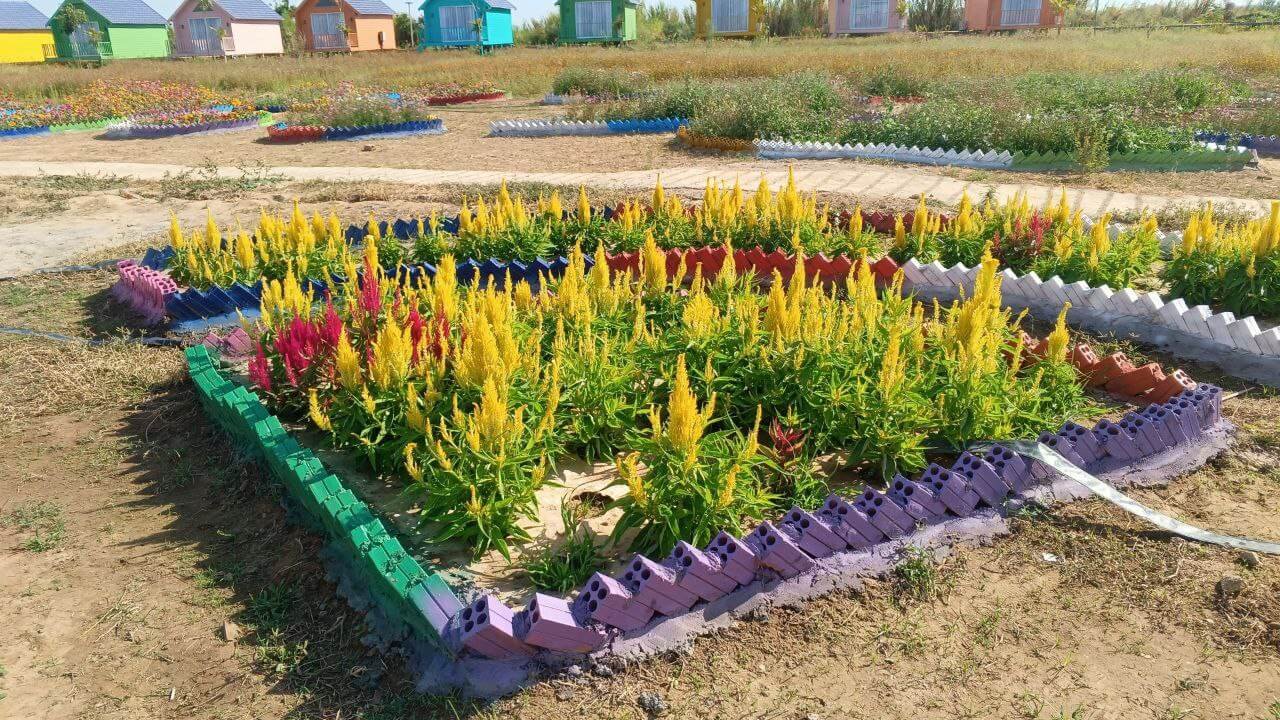
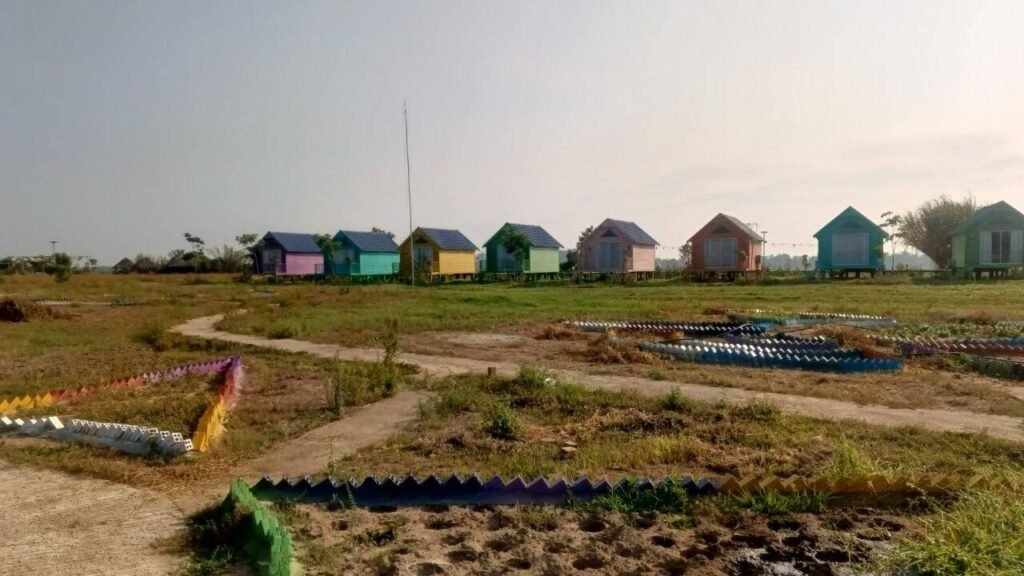
- Flower Attraction Business: A paid entertainment venue built around flower fields, operating more like a hospitality or tourism business than traditional landscaping.
Before I opened Dream Garden, I spent two years (2015 to 2017) doing residential yard cleanups, mowing lawns, and planting flowers and saplings.
It was through that two-year stretch that I discovered the flower attraction business model.
Of these options, a service-based model is the most realistic low-budget idea for most beginners. It has the lowest barrier to entry and the fastest route to landing your first paying clients.
Step 2: Get Hands-On Experience Before You Register
Before you register your business or spend money on equipment, put in the hours doing the actual work. Ideally, work for or alongside someone who already has experience.
This is a step most guides skip entirely, but it’s the real deciding factor in whether you can perform well once real money is on the line.
When I was 20, even if I only had three to five hours of free time, I would ride along in my uncle’s motorbike trailer.
That small bit of time is what gave me real-life experience. Whenever my uncle landed small or medium-sized projects, he would hand them over to me to train me to think, specifically to build observation, critical thinking, and evaluation skills.
Step 3: Starting with Zero Capital and Basic Tools
You do not need a pickup truck, a full crew, or an equipment warehouse to get started. Most successful gardening businesses begin with whatever basic tools fit into a current vehicle or trailer.
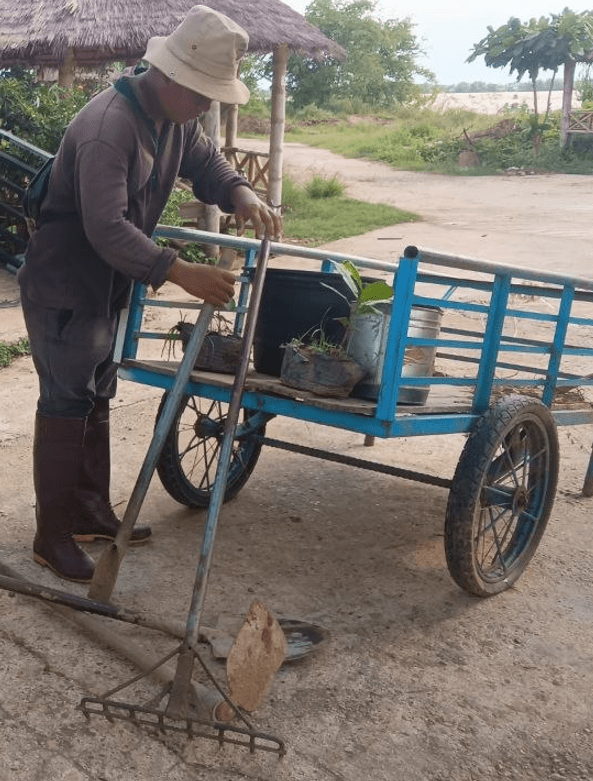
Take your initial earnings and reinvest them into more equipment, rather than taking out loans to buy everything upfront.
Step 4: Finding Your First Clients
Your first clients will mostly come from your existing network, not from advertising. They arrive through word-of-mouth recommendations from friends, family, or people you’ve worked with before.
Once you have three to five regular residential clients, you have enough of a revenue signal to decide whether to expand.
I remember one fairly large project: mowing the lawn, cleaning the garden, and organizing the landscape structure to make it neat and attractive.
My uncle told me, “Nephew, go do this project. I won’t be able to help. I’m busy heading out to the provinces.”
I agreed. But as soon as I arrived at the site, I realized it wasn’t a standard yard. It was a medium-to-complex garden. I was furious with my uncle. I tried calling him, but he wouldn’t pick up. I ended up bringing two of my neighbors along to help me finish the job.
It took us three days to organize that garden. It turned out my uncle never went to the provinces. He had lied to me.
A year later, my anger toward him turned into deep gratitude because he forced me to become resilient.
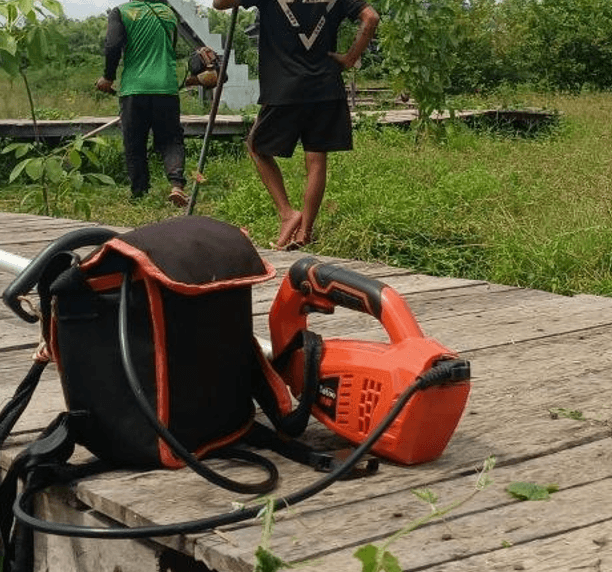
As for the two neighbors, we worked together and understood each other over the following three months, and they eventually became my employees.
Step 5: Write a Simple Business Plan
At this stage, your plan doesn’t need to be formal. It only needs to answer four basic questions:
- What service are you offering?
- Who is your customer?
- How much will you charge?
- How will people find you?
A one-page plan answering these questions is more than enough to get started. You can formalize it later, once you have real revenue data to make accurate projections.
Step 6: Decide When (and If) You Should Expand
Expansion isn’t always the right next step. Sometimes the correct decision is to shut down a running business to pursue a bigger, more validated idea, even if that feels counterintuitive.
My work was running smoothly, with a steady stream of small and large clients. Day after day, I had a lawnmower in my hands, and my motorbike trailer kept rolling from one location to the next.
Then a question popped into my head: Was I going to do this for the rest of my life? If I got sick or busy one day, would I still have income?
That was the moment the vision for Dream Garden was born. By mid-2017, I completely stopped running my residential landscaping and yard maintenance business.
Step 7: The Reality of Setbacks and Business Failure
Almost no one attempts a big vision for the first time and has it go perfectly smoothly, yet most business guides fail to prepare you for that.
The two most common hurdles are getting paralyzed before you even start because you’re waiting for the perfect moment, and facing total failure on your first real attempt after launching.
In 2018, I had plans to open Dream Garden. But out of fear and waiting for perfection, I wasted over a year achieving nothing. By mid-2019, I finally launched the business.
It ran for over a year, but in 2021 I failed due to a lack of financial management and poor flower-planting techniques. Almost all the flowers died. That was when I broke down. I was angry and disappointed in myself.
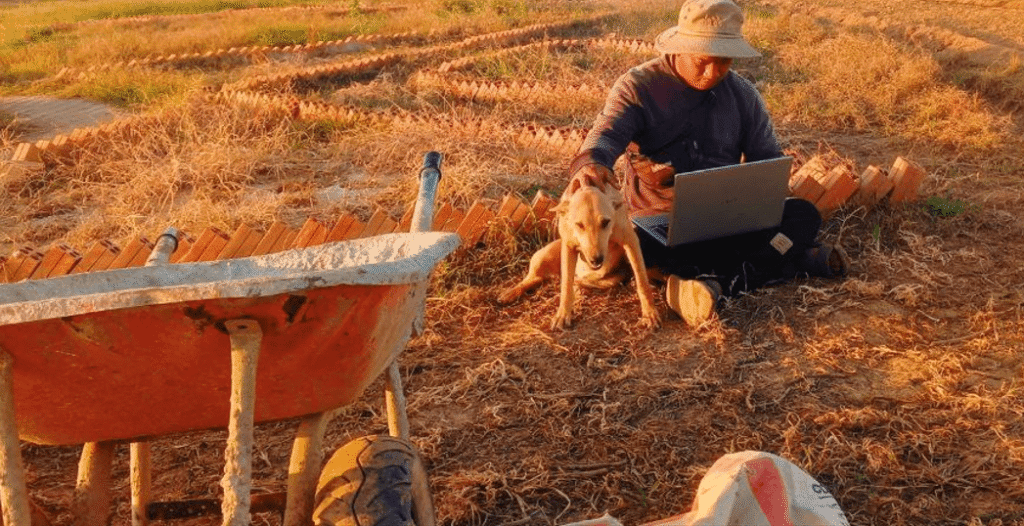
After failing, I sat in a garden full of dead flowers on a sweltering hot day, just me, my dog, and a laptop, searching online to see if anyone else had failed the way I had. How did they handle it? But all I found were success stories and winning strategies.
Step 8: How to Rebuild After a Failure
If your first attempt fails, rebuilding usually looks very different from starting. It involves more structure, more outside feedback, and often bringing on business partners instead of going it alone again.
I spent two years studying my mistakes, attending training courses, and analyzing my competitors. In mid-2022, I met two partners: one was a professor at the University of Management and Economics (UME) in Battambang, and the other was a Chief Teller at Canadia Bank Plc in Thorkol, Battambang.

In 2023, the three of us launched our second attempt, which is still running successfully today.
How Much Money Do You Actually Need?
Costs vary drastically depending on the type of business you choose in Step 1. A basic service business, covering lawn mowing, planting, and yard cleanups, can genuinely be started with just manual hand tools and a basic mode of transportation.
That makes it one of the lowest entry costs in the entire industry.
A garden design or flower attraction business, on the other hand, requires significant capital investment in land, construction, and irrigation systems.
Common Mistakes to Avoid
- Buying gear too early: Purchasing equipment and materials before landing your first paying client.
- Lack of focus: Trying to offer every service at once instead of focusing on one clear specialty.
- Paralysis by analysis: Waiting for the perfect moment to launch instead of starting small and adjusting later.
- Scaling too fast: Expanding staff or land before generating a stable income.
- Quitting at the first hurdle: Giving up completely after the first failure instead of treating it as experience.
Final Thoughts
Starting a gardening business isn’t theoretically complicated. The steps above are actually simple.
What’s genuinely difficult is surviving the parts nobody writes about: the years spent paralyzed by fear, the business failing, and the decision to try again anyway.
If you’re at the very beginning of your journey, start with the zero-capital model outlined in this guide: learn hands-on first, keep overhead low, and find clients through your existing network before you formalize anything.
Frequently Asked Questions
Do I need savings before I start a gardening business?
Not necessarily. This guide’s approach starts with manual hand tools and a basic mode of transportation, then reinvests early earnings into more equipment instead of taking out loans.
What’s the first thing I should actually do before starting a landscaping business?
Work hands-on for or alongside someone with existing experience before you register anything or buy equipment. That hands-on time is what builds the observation and judgment skills you’ll need once real money is on the line.
How long does it usually take to get a gardening business off the ground?
It varies. In this founder’s case, it took about two years of hands-on work before formalizing anything (2015 to 2017), and roughly two more years of studying mistakes and rebuilding after a failure (2021 to 2023) before the relaunch succeeded.
Is it normal for a landscaping business to fail on the first attempt?
Yes, and most guides don’t prepare you for it. Common causes include getting paralyzed while waiting for the perfect moment to launch, and running into real problems like poor financial management once the business is live.
Where do most gardening businesses find their first customers?
Mostly through word-of-mouth recommendations from an existing network of friends, family, and past coworkers, rather than through advertising.
