

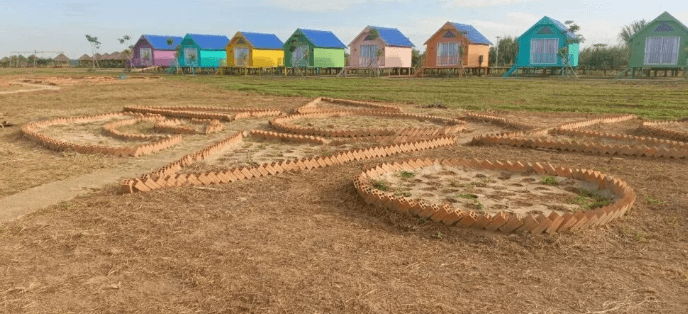
If you walk past a finished garden landscape, with its neat star-shaped brick beds and a row of colorful cabins, you might assume it came together easily. It didn’t.
These are the real lessons learned from starting a gardening business, told through what actually happened to my company, Dream Garden, from its first launch in 2019 to its collapse in 2021 and its rebuild in 2023.
I’m sharing this because I looked for this kind of honest breakdown when I started and couldn’t find it.
If you’re weighing whether to open your own landscaping business, these lessons might save you a hard year or two.
Key Takeaways
- Dream Garden launched in 2019, collapsed in 2021, and relaunched in 2023.
- Poor cash flow management, not a lack of effort, caused the first failure.
- Early on, you handle every role yourself, from marketing to gardening.
- Treating failure as information instead of defeat made the second attempt possible.
- Customer focus and networking became the long-term growth drivers.
My Dream Garden Journey: From Launch to Collapse to Comeback
Starting Dream Garden in 2019
In mid-2019, I launched Dream Garden for the very first time.
I was filled with joy and optimism, and I was convinced my days of hard, tiring work were finally behind me. I expected success to follow more or less on its own.
When It All Fell Apart in 2021
Reality looked different. Just over a year after opening, in 2021, the business collapsed. The root problem, as I’ll explain below, wasn’t a lack of effort. It was money.
Rebuilding in 2023
I refused to give up or lose hope. In 2023, I started Dream Garden over again, and it’s still running today.
That comeback is really what this article is built around: how to restart a failed landscaping business without repeating the same mistakes twice.
Lessons Learned From Starting a Gardening Business
Choosing to become a business owner is exciting, but it comes with real challenges that nobody mentions in the brochure.
Here are the specific lessons learned from starting a gardening business that I wish someone had told me before I began.
Gardening Business Startup Mistakes to Avoid
One of the biggest gardening business startup mistakes to avoid is assuming the work will be light or the payoff will be quick.
Armed with nothing but a sun hat and a long-sleeved shirt, I walked and inspected brick-laid garden beds under the scorching sun, completely drenched in sweat.
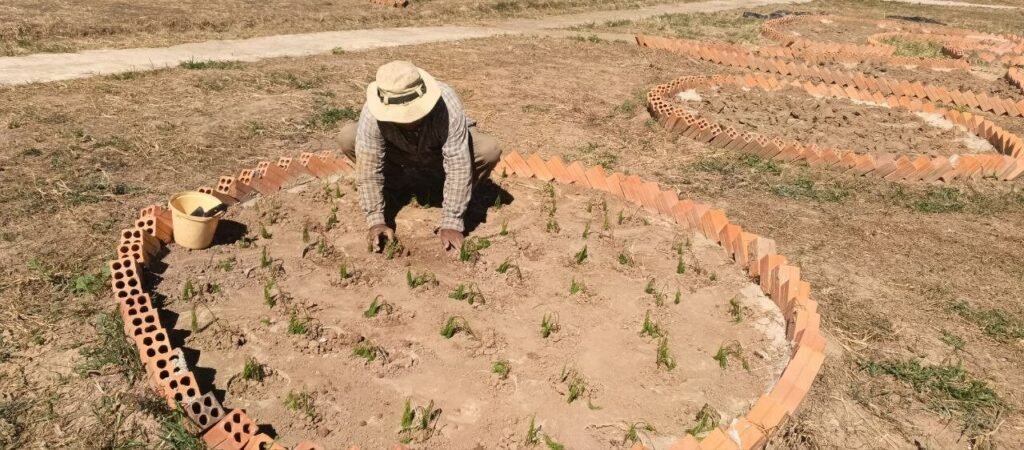
Owning a business demands far more time, energy, and sacrifice than a regular job, and you may find yourself working long hours, day and night, including weekends.
Results also aren’t instant. Most businesses take time to grow and turn a profit, so don’t expect to make a fortune right out of the gate. On top of that, expect irregular income.
In the beginning, my own income was highly unpredictable, and you have to be financially prepared for that instability.
You Have to Wear Every Hat at the Start
Before actually launching the business, I attended short courses and read business books, and it all seemed simple enough on paper.
Once I actually started, I had to act as the salesperson, marketer, accountant, manager, cleaner, gardener, and even the customer service representative, often all in the same day.
That kind of range demands continuous learning. Even when I was physically exhausted, I had to keep learning every part of the business, including skills I had no prior experience with at all.
How to Manage Cash Flow in a Small Landscaping Business
This is the section that matters most because financial mismanagement is the critical mistake that led to my first failure.
Learning how to manage cash flow in a small landscaping business isn’t optional; it’s the difference between staying open and shutting down.
Start with an initial capital. You need to know exactly how much money you need to start and sustain the business, and you shouldn’t start without a clear, solid financial plan.
From there, track cash flow meticulously, watching every dollar coming in and going out, since negative cash flow can sink a business even when it looks profitable on paper.
Finally, keep emergency funds on hand. Cash reserves are what carry a business through tough stretches or unexpected crises.
How to Restart a Failed Landscaping Business
Failure is a lesson, not the end, and my own restart proves it. I still remember 2020, when my entire flower garden died because of a misapplication of fertilizer.
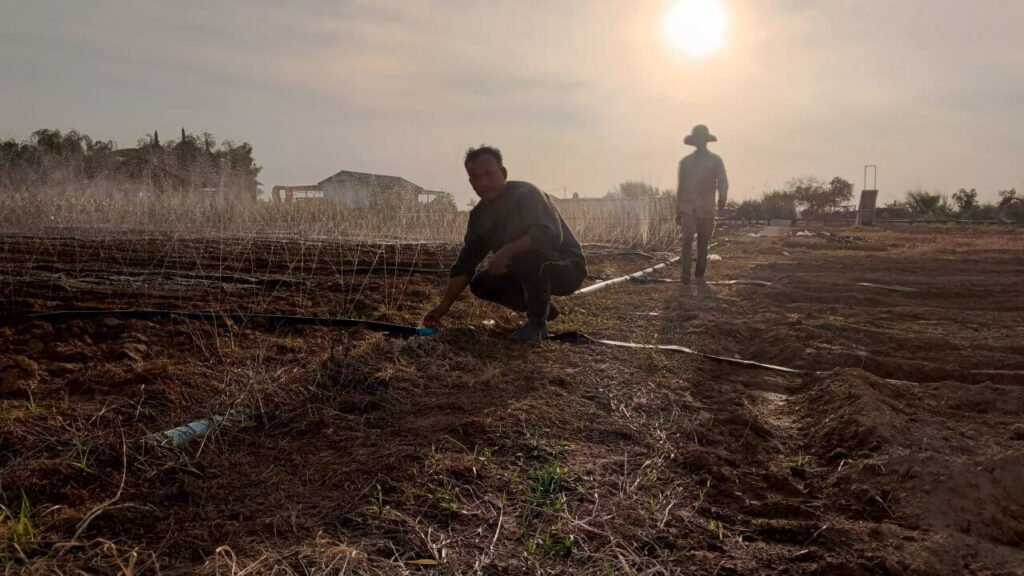
It was a painful setback, but I didn’t give up. I had to start over, sitting under the blazing sun to lay out water pipes and sow new seeds all over again.
That mindset is exactly what learning how to restart a failed landscaping business requires. Expect small failures along the way, since obstacles and minor setbacks are a normal part of doing business.
Analyze what went wrong and pull out the actual lesson so you don’t repeat the same error.
Above all, build real resilience, because you need the mental strength to stand back up every time you fall, whether that fall happens in a single garden bed or across the whole business, as it did for me in 2021.
How to Build Customer Loyalty in a Small Garden Business
The customer is everything, and figuring out how to build customer loyalty in a small garden business starts with understanding what people actually want.
You need to know exactly what your customers need and which specific problems your business can solve for them.
From there, deliver real value. Make sure your products or services are high quality and that the overall experience is one customers remember for the right reasons.
Stay open to feedback too, and use what customers tell you constructively to keep improving instead of getting defensive about it.
Why Networking Matters for a Landscaping Business
Networking is invaluable, even for a small, hands-on business like this one.
Building strong relationships with other business owners and industry experts gives you access to advice, opportunities, and support you can’t generate alone.
Finding a mentor helps even more. A good mentor can guide you and help you sidestep common pitfalls in the business world, the same pitfalls that caught me in 2021.
What Are the Biggest Challenges of Owning a Landscaping Business?
Pulling all of this together, what are the biggest challenges of owning a landscaping business in practice?
Based on my own run with Dream Garden, they come down to four things: the physical and time sacrifice of the work itself, the need to personally cover every role in the early days, the discipline required to manage cash flow instead of just watching revenue, and the resilience needed to treat a setback, or even a full collapse, as something you can recover from.
None of these challenges is unique to gardening or landscaping businesses specifically. But they hit harder in this industry because the work is physical, the seasons are unpredictable, and a single bad batch of fertilizer or a slow month can expose weak financial planning fast.
Final Thoughts on the Lessons Learned From Starting a Gardening Business
Becoming a business owner is a massive decision, and it’s a genuinely life-changing one.
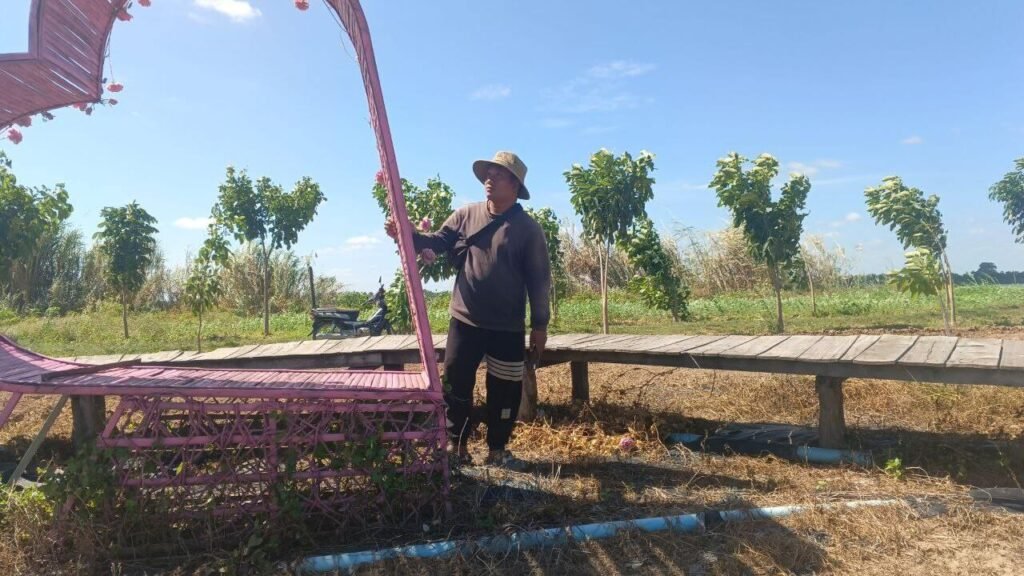
The lessons learned from starting a gardening business that I’ve laid out here, sacrifice, wearing every hat, managing cash flow, recovering from failure, valuing customers, and building a network, are the same six things I’d tell my 2019 self if I could.
Understanding these realities before you start won’t make the path easy, but it will help you face the hard stretches with more courage and a better shot at making it to the other side, the way Dream Garden did in 2023.
Frequently Asked Questions
What actually caused the first Dream Garden business to fail?
Financial mismanagement, not lack of effort or demand, caused the 2021 collapse. Without a clear cash flow tracking system, the business ran into negative cash flow that it couldn’t recover from, even though the work itself looked successful from the outside.
Is running a landscaping business as relaxed as the finished photos make it look?
No. The finished gardens and cabins that look effortless in photos are the result of long hours in direct sun, unpredictable early income, and constant hands-on labor, especially in the first year or two.
How long did it take to rebuild after the business collapsed?
The original Dream Garden closed in 2021 and reopened in 2023, so the rebuild took roughly two years of stepping back, regrouping, and preparing before starting again.
What’s the single most important skill for a new garden or landscaping business owner?
Cash flow management. It was the specific factor behind the first failure, and it remains the area that determines whether a small landscaping business survives its early years.
What’s the best way to bounce back after a garden business fails?
Treat the failure as a lesson rather than a final verdict, analyze specifically what went wrong, and rebuild with a solid financial plan and emergency reserves in place before relaunching.
