

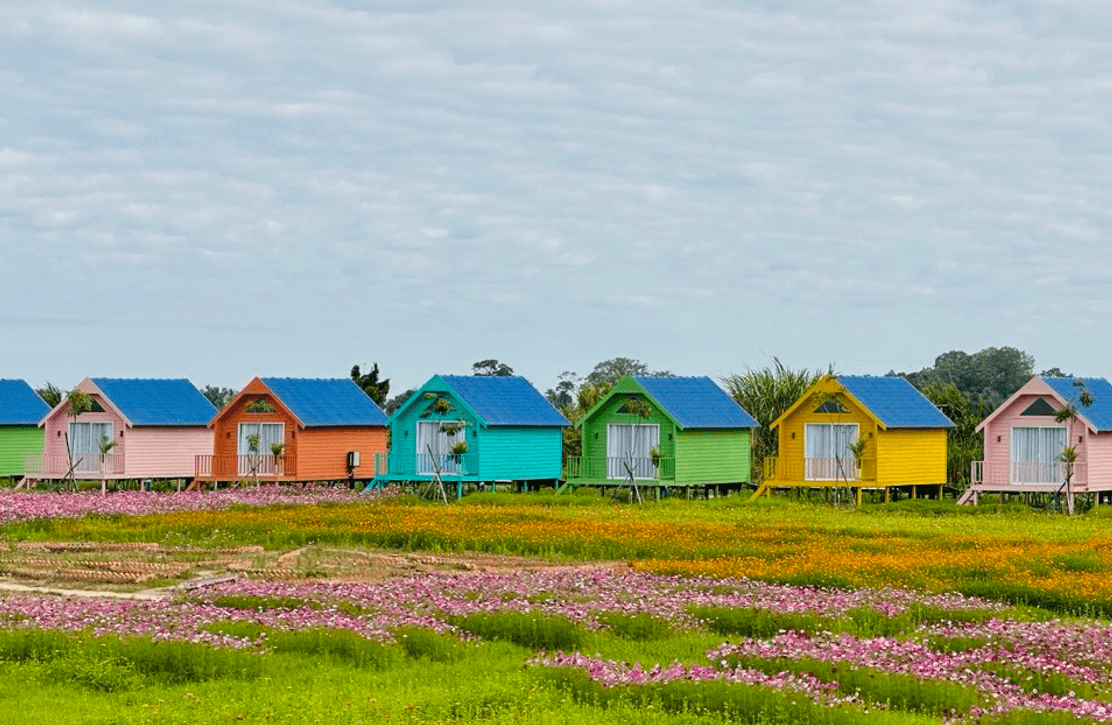
The rainbow-colored cabins at Dream Garden look like they are floating in a field of flowers at dawn, but that view took years to build, not weeks. If you are trying to figure out how to plan a garden business of your own, the real work happens before a single seed goes into the ground.
We started with five basic guest tents on land that turned to mud every rainy season. Getting from there to a profitable, working flower garden resort came down to practical project management: budgeting, setting operational goals, scheduling labor, and knowing when to say no.
Key Takeaways
- Setting a 2- to 5-year long-term goal alongside daily operational metrics turned muddy tent grounds into a viable flower resort.
- A strict weekly work schedule allocated local labor and materials in advance to prevent costly bottlenecks.
- We prioritized planting fast-growing flowers over building cabins to take advantage of the rainy season’s loose soil, saving on heavy machinery costs.
- Saying “no” to building infrastructure first helped us avoid a $6,000 mistake per cabin.
- Acting on decisions immediately kept the project within our seasonal timeline.
Setting Goals: The Foundation of Dream Garden
Setting goals—for yourself, for individual tasks, and for the business budget—is the foundation everything else in this article is built on.
Clear financial and operational goals gave our team direction, made us meticulous about daily expenses, and made everyone accountable for their piece of the work.
When we started, Dream Garden had only five tents for guests. As a growing mid-sized business, we needed a long-term plan to increase our revenue, and that need became the catalyst for what eventually became our rainbow cabins.
Real Examples of Short and Long-Term Goals
To make our transition successful, we set concrete, measurable objectives:
- Long-term business goal: Transform the muddy, waterlogged tent grounds into a natural flower garden with permanent leisure cabins within 2 to 5 years, increasing our nightly booking capacity by 102% (first two years).
- Short-term operational goals: Set daily and weekly tasks tied to specific indicators, such as tilling 50-100 square meters of soil per week, or sourcing 10-25 pounds of Zinnia and Sunflower seeds within budget.
Step 1: Fixing Land and Drainage Issues
Our biggest physical—and financial—obstacle was the land itself. The tent grounds flooded and turned to mud during the rainy season, which actively hurt the guest experience and our bottom line every time it rained.
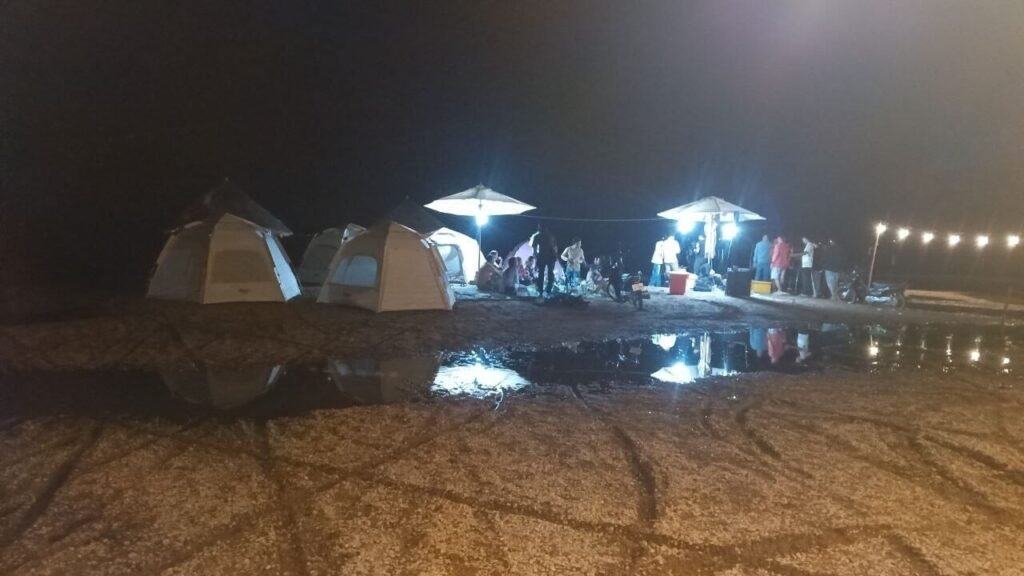
The fix was not to pour an expensive concrete foundation or build over the problem. It was to work with the season instead of against it. Because we are in a tropical region and our project timeline landed during the rainy season, the soil stayed loose and easy to till.
That made it the right window to convert the muddy ground into planted flower beds rather than construction sites.
Step 2: Prioritizing Tasks Based on Climate
With our schedules in place, we had to decide what came first, and we chose planting over building. That decision came directly from our conditions on the ground and our operating budget.
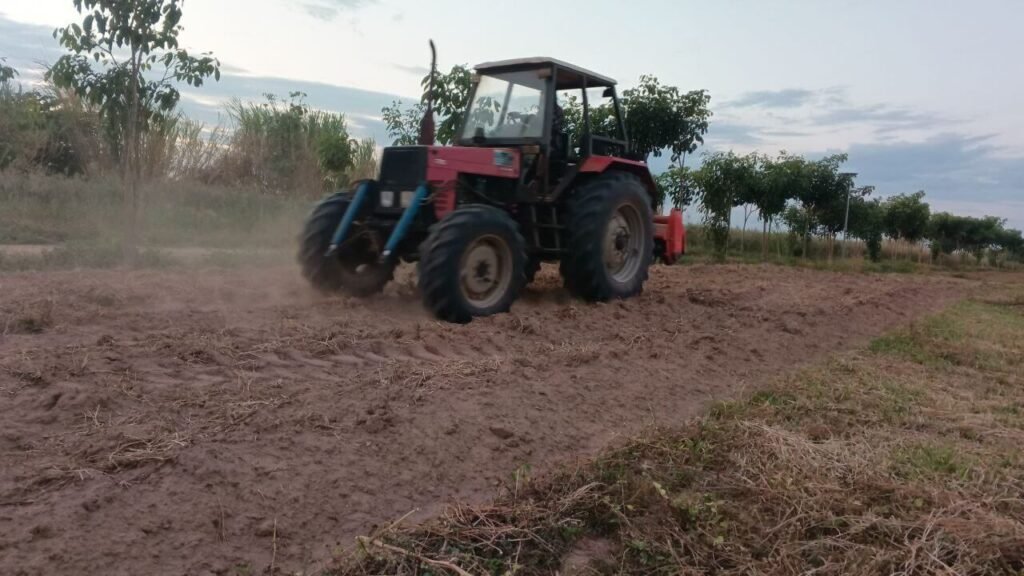
The abundant rainfall combined with loose soil created optimal growing conditions we did not want to waste. Renting a tractor to till wet, loose soil costs significantly less in fuel and time than trying to break dry, hardened earth.
On top of that, the existing tents sitting on muddy ground were visually unappealing and needed an aesthetic fix to keep guests booking stays.
Step 3: Building a Weekly Work Schedule
Once our goals were set, building a detailed work schedule was the next crucial step. We broke the master schedule down into actionable plans and daily to-do lists to manage our labor costs effectively.
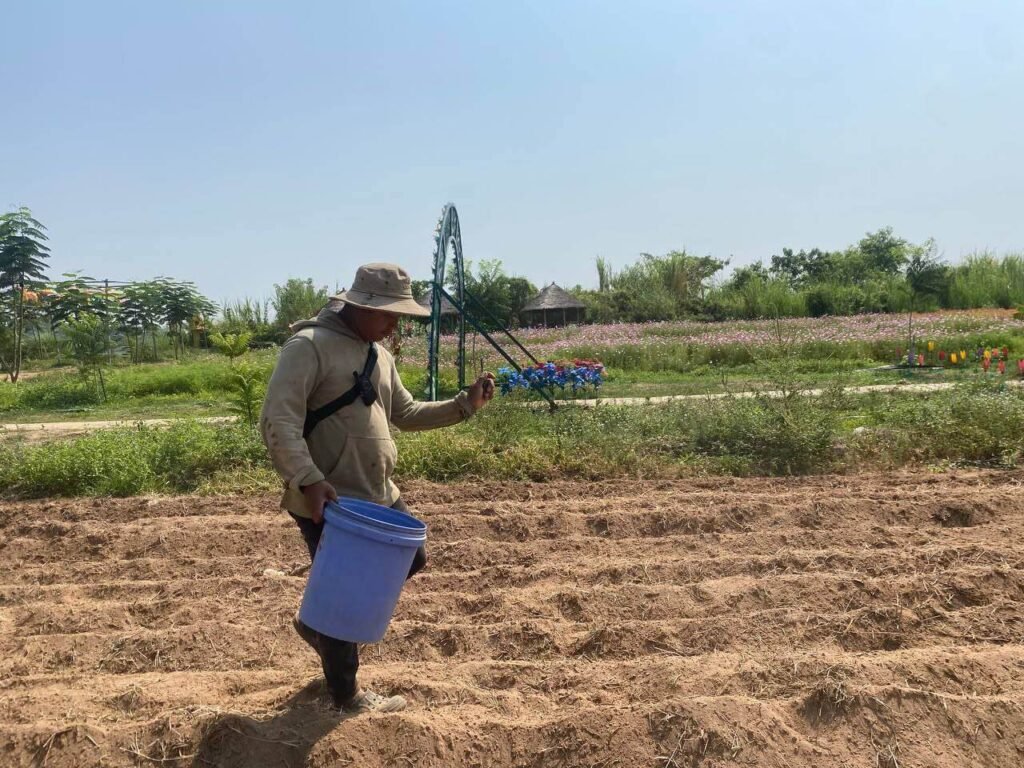
Our weekly schedule dictated the frequency of operational meetings. We used these meetings to outline step-by-step processes, allocate our workers to specific zones, determine seed and fertilizer requirements, and manage vendor meetings.
Having this structure in place helped us track our labor hours—our biggest recurring expense—which prevented bottlenecks that typically stall small business projects.
Step 4: The Power of Saying ‘No’ to Costly Mistakes
Finding a solution that actually fits your real situation usually means some disagreement along the way. During one budget meeting, a team member suggested we build the cabins first. I pushed back and argued we should prioritize the landscaping.

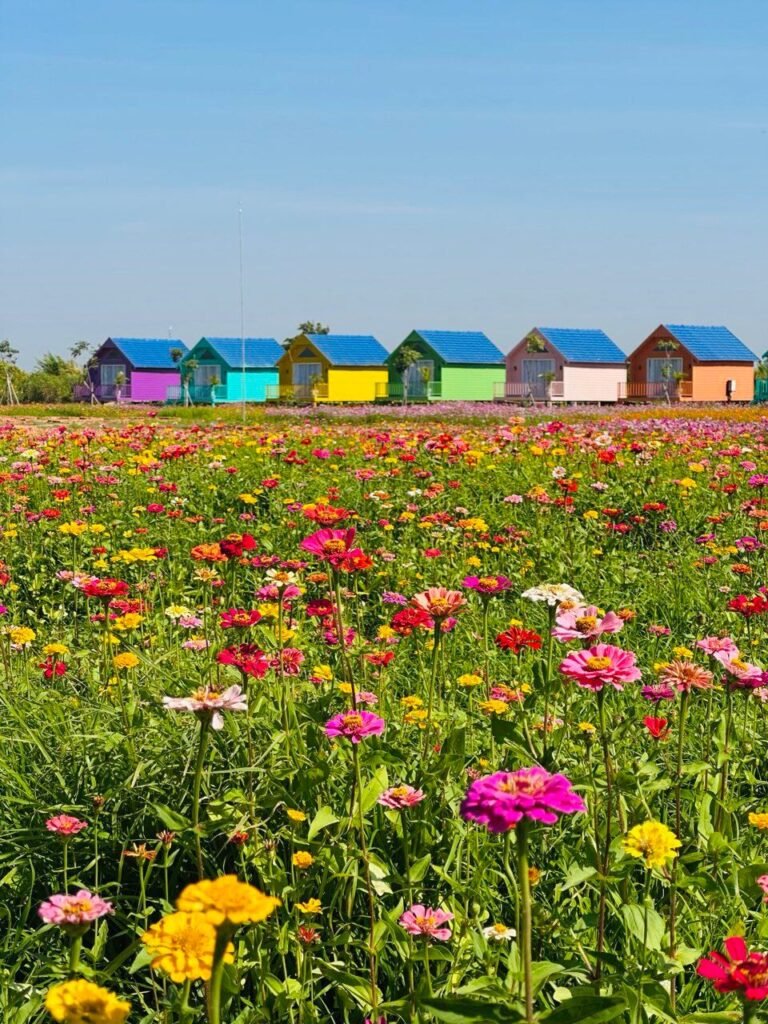
My reasoning was purely strategic. The cabins would eventually be painted in rainbow colors designed to complement the floral landscape around them (specifically our bright Zinnias and Sunflowers).
Flowers have a shorter life cycle than buildings, so they need to be replanted over time to keep matching the infrastructure. But once a cabin is built, painted, and anchored, changing it is incredibly difficult and expensive.
We reached a sensible consensus. The phased progress that followed—from bare soil to blooming fields to finished cabins—reflects that decision. It is perfectly acceptable to decline an idea in business, even a reasonable one, to protect your budget and timeline.
Step 5: Stop Procrastinating on Execution
This last lesson may be the most important for any new garden business owner. Once we identified a solution, we started implementing it immediately.
Managing time well means not falling into the habit of telling yourself, “let’s put this aside and do it tomorrow.” In a seasonal business, a week of procrastination can mean missing your entire planting window, costing you a whole year of revenue.
Even when a task was not instantly urgent, if we had the labor hours and materials available, we completed it proactively.
Planning Takes Patience, Not Perfection
Learning how to plan a garden business is less about the flowers and more about the sequence of decisions behind them.
Set goals you can measure, build a labor schedule around them, prioritize what your local conditions dictate, say no when it protects your budget, and act as soon as you decide.
Dream Garden’s rainbow cabins exist today because of that exact business order.
Frequently Asked Questions
What is the first step in starting a garden business?
Set a clear long-term goal, like a specific transformation you want within a set number of years, then break it into short-term daily, weekly, monthly, and quarterly tasks you can actually measure.
How do you decide what to work on first when land conditions are poor?
Match your priorities to your actual conditions. We planted flowers before building because the rainy season made the soil loose and tillable, which was the right window for planting rather than construction.
Why fix drainage or muddy land before adding buildings?
Building on unresolved land problems locks the issue in place. Working with the season while conditions were favorable, and holding off on construction until later, avoided that.
How often should a small business update its work schedule?
We used a weekly schedule that set the frequency of meetings, allocated labor, determined material requirements, and scheduled client meetings, all tied back to daily to-do lists.
Is it bad to delay a task that is not urgent?
Delaying tasks, even when they are not urgent, despite having the time and resources to handle them, tends to extend the timeline unnecessarily. Acting proactively keeps a project on schedule.
