

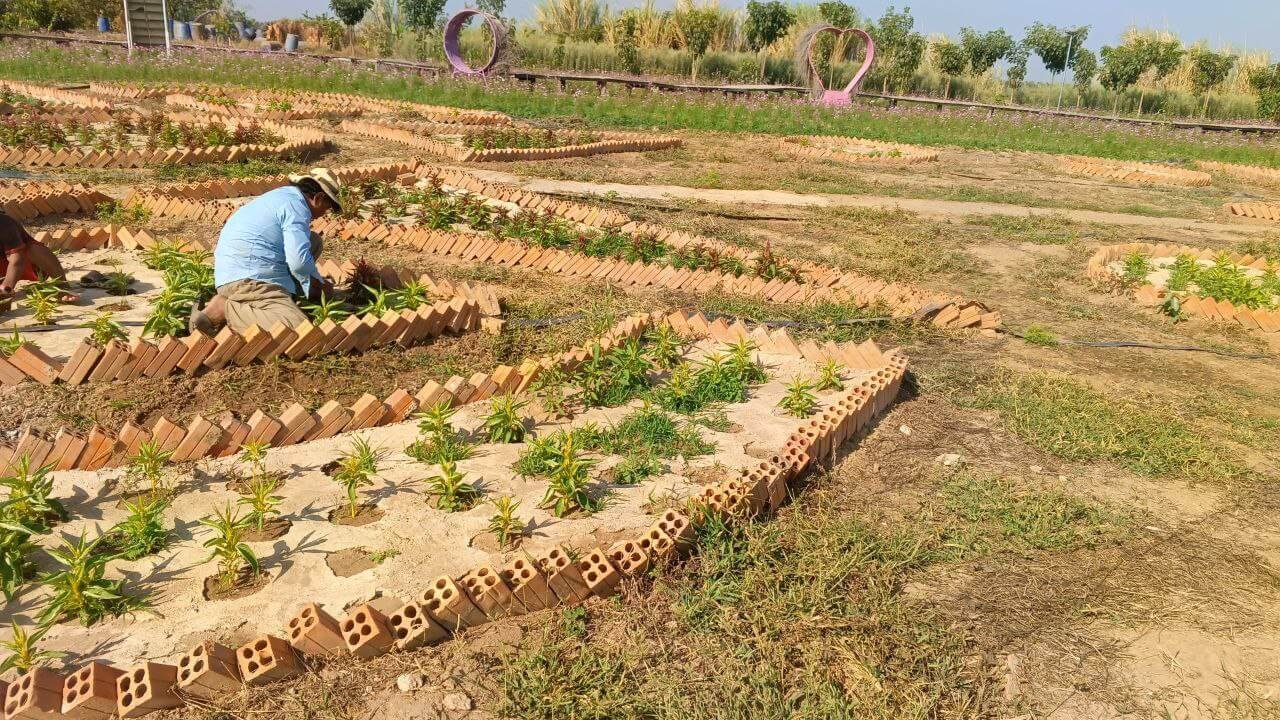
When I first started Dream Garden, I never expected to need a plan for how to hire and train seasonal staff for a flower attraction or glamping business. As we finished planting sections of the attraction, I began opening the venue for visitors, and the guest volume grew faster than I could manage alone.
Between welcoming visitors, keeping the flower gardens photo-ready, and prepping glamping tents for new arrivals, I quickly realized I needed help I had never had to hire before.
My previous landscaping team only knew how to mow lawns and plant hedges, which is a completely different job. I needed people who could talk to guests, keep the gardens immaculate for photos, and roll with schedules that shift with the weather and the season.
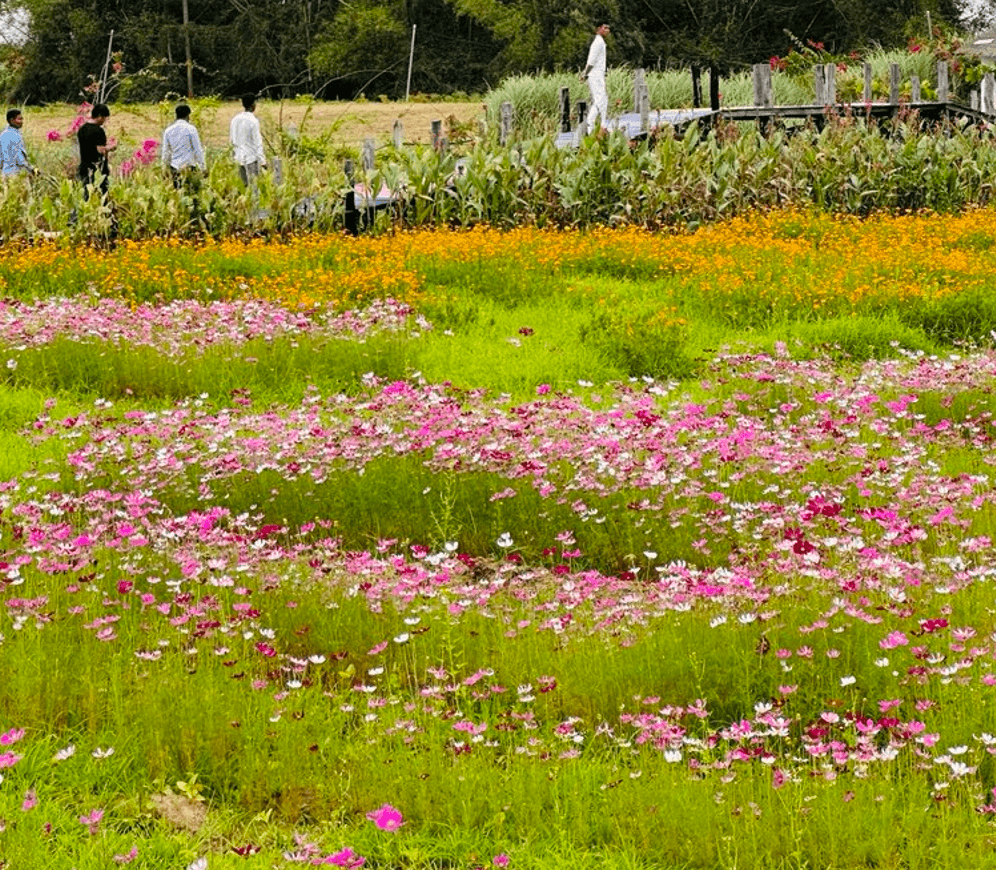
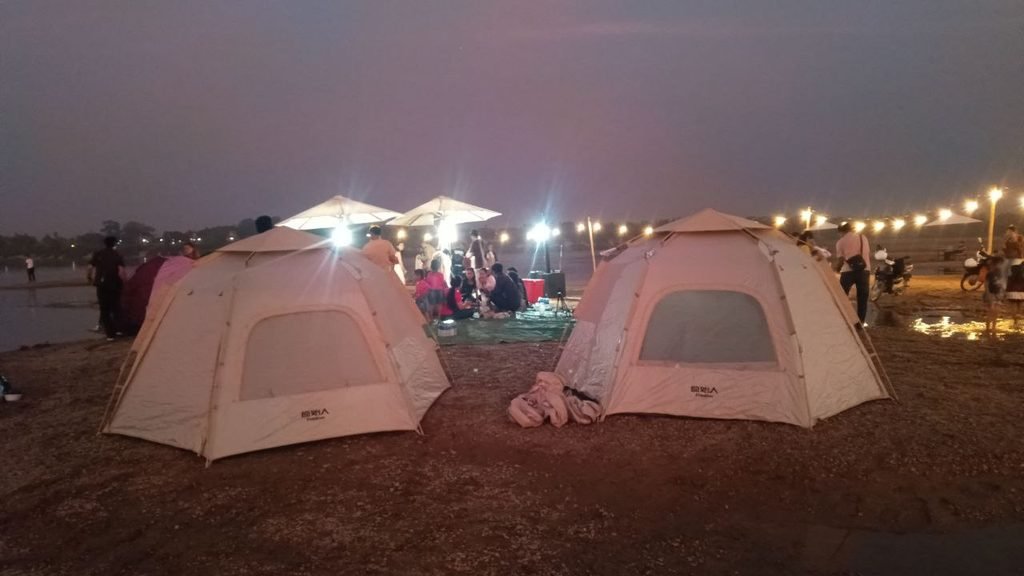
Dream Garden isn’t fully operational yet, but the idea is natural relaxation, built specifically for people dealing with end-of-week burnout. Beyond just walking through flowers and taking photos, I added glamping tents for guests who want to stay overnight.
After I ran a few opening discounts, guest volume kept climbing. I could not handle it alone anymore, and since it was our grand opening, getting the guest experience right mattered more than ever.
If you are running a flower attraction, a glamping site, or any garden business that welcomes tourists, hiring is not the same as bringing on a standard landscaping crew.
Here is what I have learned about the roles you actually need, where to find candidates, how to train them, and the mistakes I made getting there.
Key Takeaways:
- Hiring for a flower attraction or glamping business requires guest-facing skills, not just landscaping experience.
- Watch for turned-away bookings and rushed service as your cue to hire—these happen long before financial strain shows.
- The core roles you need are: grounds maintenance, guest services, glamping support, and event/photography support.
- Look beyond landscaping talent pools to local students, hospitality workers, and loyal guests.
- Train your team for the specific emotional experience you want guests to have, rather than just handing them a task list.
- A little retention effort (like end-of-season bonuses) saves you from rehiring from scratch every year.
Why Hiring for a Flower Attraction Is Different From a Landscaping Crew
Landscaping crews generally do not work in client-facing environments. An attraction business is different. Your staff interacts directly with paying guests, and for many of those guests, it is their first and only visit to your property.
That means new hires need two things at once: enough horticultural know-how to keep the grounds looking pristine, and the interpersonal skills to act as brand ambassadors.
I learned this the hard way early on. When I started recruiting to streamline operations at Dream Garden, guest revenue was still low, and our expansion projects kept growing, so I did not have the budget to hire hospitality and maintenance staff at the same time. I chose to hire a specialized landscaping team instead.
The result was long wait times for guests and hospitality that fell flat. Garden maintenance takes physical labor, but hosting guests takes emotional intelligence, especially face-to-face.
That is the core difference in landscaping crew vs. hospitality staff hiring: one job is about the grounds, the other is about the guest standing in front of you. Being a brand ambassador is not a throwaway line either.
It means the way your staff greets someone at the gate shapes that guest’s entire impression of the visit, long before they ever reach the flower fields.
Signs It’s Time to Hire Seasonal Staff
Most attraction owners wait too long to bring on help, usually because they see it as an expense they can put off. In my experience, the warning signs show up long before the financial ones.
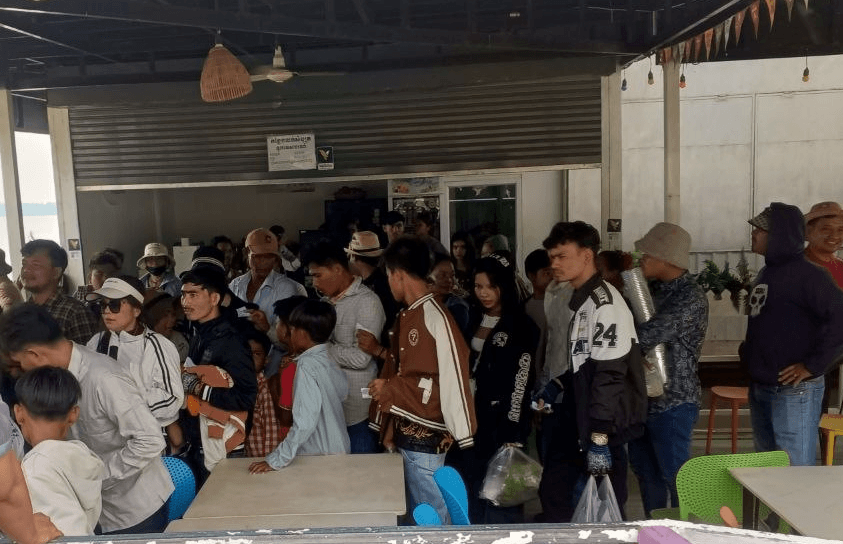
You start turning away bookings. Guests complain that service feels rushed or half-prepared. Or you catch yourself doing garden maintenance during hours you should be resting.
At Dream Garden, this hit hardest during the cool season. April was a huge opportunity for a business like mine, since it is when people take time off and travel for leisure.
That same April, I had to reject guest bookings six times: four glamping reservations, one school field trip for photography, and one private family visit.
If any of that sounds familiar, it is time to hire, even if you start with just one or two seasonal employees. Waiting until the financial strain is obvious usually means you have already turned away guests you cannot get back.
Roles You Need for a Flower Attraction Business
Before you post a single job listing, get clear on what kind of help your attraction actually needs. Skipping this step is exactly what led me to hire only landscaping staff early on, and it is a mistake that is easy to repeat if you do not define the roles first.
For most flower attractions and glamping businesses, the roles break down into four categories:
Grounds and Garden Maintenance
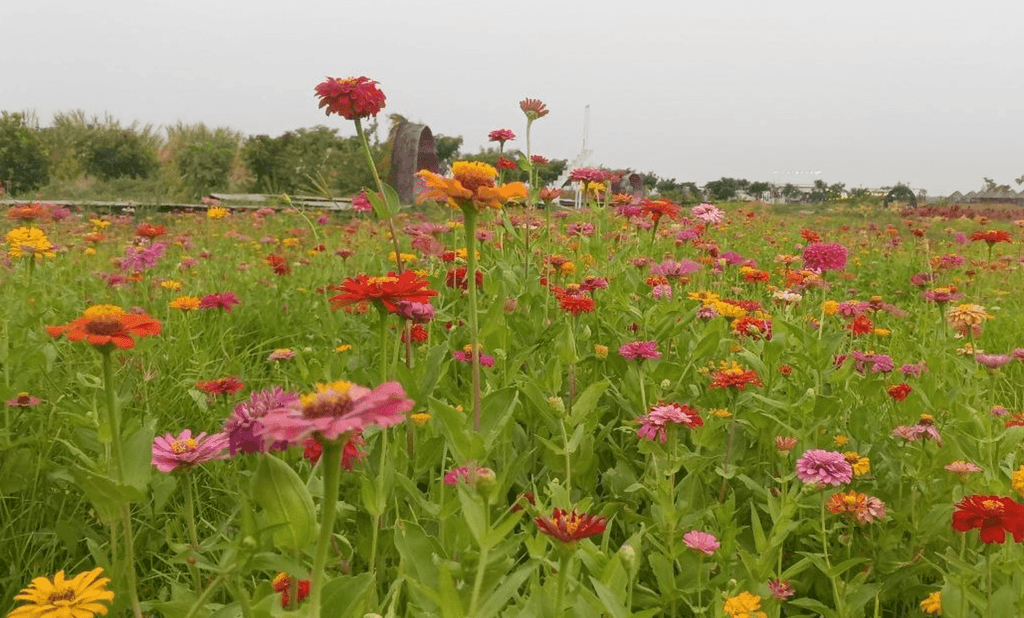
Staff dedicated to watering, weeding, pruning, and keeping display areas looking their absolute best without being distracted by customer service duties.
Guest Services Staff
The brand ambassadors responsible for welcoming visitors, guiding tours, answering questions, and efficiently handling ticketing or check-ins.
Glamping Support Staff
These team members specialize in turning over tents between stays, restocking amenities, and handling basic upkeep for overnight guests.
Event and Photography Support
Many flower attractions see sharp spikes in visitors who come specifically for photos. This foot traffic needs dedicated crowd control to protect the blooms and ensure a safe, enjoyable experience.
Where to Find Seasonal Staff for a Glamping Business
Unlike a traditional landscaping business, your best candidates are not always people already working in the field. Sometimes they are local students, hospitality workers, or even regular guests who already love your venue.
A few places worth checking:
- Local Facebook community groups and Marketplace postings.
- Word of mouth through existing customers and their families.
- Local job boards focused on seasonal or hospitality roles, rather than just agricultural labor.
- On-site signage—your best candidate might already be visiting as a guest!
Writing a Job Description That Attracts the Right Candidates
A generic “Gardener Needed” post will pull in standard landscaping candidates, not people suited for client-facing, seasonal, or hospitality-driven work. Be upfront in your posting about what the role actually involves: physical outdoor labor, direct guest interaction, and seasonal or irregular hours.
Setting honest expectations early filters out anyone who cannot handle the pressure of their first busy weekend shift. A mismatched hire costs you twice: once in the time spent training them, and again when you have to start the search over mid-season.
The Hiring Mistake I Made at Dream Garden
Let me be honest about where I went wrong, since most hiring advice online skips this part. I needed staff urgently and did not think the process through, which turned out to be my most expensive lesson.
At the time, I called my uncle and told him I needed five staff members urgently, or at least three if five were not available.
Two days later, three individuals arrived at Dream Garden. I immediately assigned them to the hospitality department, tasking some with guiding guests around the recreational areas and helping them take photos.
Disappointment struck almost instantly. They informed me, “Uncle told us this was a gardening and landscaping job; we don’t have any of those other skills.”
My heart sank, and my face fell. To salvage this urgent situation, my only viable solution was to provide them with immediate, intensive training on hospitality protocols and the complete operational procedures required for that department.
How to Train Seasonal Staff to Represent Your Brand
Teaching someone how to do their tasks is the easy part. The harder part is teaching them to represent your business exactly the way you would.
That means writing down the emotional experience you want guests to have, not just a list of operational tasks. A short written orientation, covering your backstory, your expectations, and the basics of guest interaction, works far better than assuming new hires will figure it out on their own.
It also means every seasonal hire starts from the same page, instead of improvising their own version of what your brand is supposed to feel like.
How to Retain Seasonal Staff for Next Season
Recruiting and retraining a whole new team every season is expensive and exhausting. A small effort in retention, like asking your top performers to come back next year or offering a small wage bump after their first season, can save you from repeating the entire hiring process from scratch.
The Bottom Line on Hiring and Training Seasonal Staff
Hiring for a flower attraction or glamping business is not the same as hiring a landscaping crew, and treating it that way is the fastest way to end up with the wrong people.
Get clear on the roles you actually need, look past traditional landscaping talent pools, and train your team around the emotional experience you want guests to have, not just the tasks on their checklist.
None of this requires a big budget. It just requires deciding what your attraction needs before the busy season decides for you.
Frequently Asked Questions
What’s the fastest way to hire and train seasonal staff for a flower attraction or glamping business?
Start by identifying which of the four core roles, grounds, guest services, glamping support, or event support, you are missing most, then look beyond landscaping talent pools to local students, hospitality workers, and loyal guests. Train them around the guest experience you want, not just task lists, using a short written orientation.
How many seasonal staff does a small flower attraction actually need to start?
There is no fixed formula. In my experience, once you are turning away bookings or hearing complaints about rushed service, even one or two seasonal hires can relieve the pressure. I once thought I needed five and made it work with three.
Should I hire a landscaping company or dedicated attraction staff?
They solve different problems. A landscaping crew keeps the grounds looking good but is not built for guest interaction. Hiring only landscaping staff at Dream Garden led to long wait times and weak hospitality, so most attractions need both skill sets covered separately.
What’s the best way to find seasonal workers for a glamping business?
Look at local Facebook groups and Marketplace, ask for referrals from existing customers, check job boards focused on seasonal or hospitality roles, and use on-site signage since your best candidate may already be a guest.
How do I get seasonal staff to come back next year?
Small gestures go a long way. Asking your top performers directly to return, or offering a modest wage increase over their first season, can save you from rebuilding your whole team from scratch each year.
