

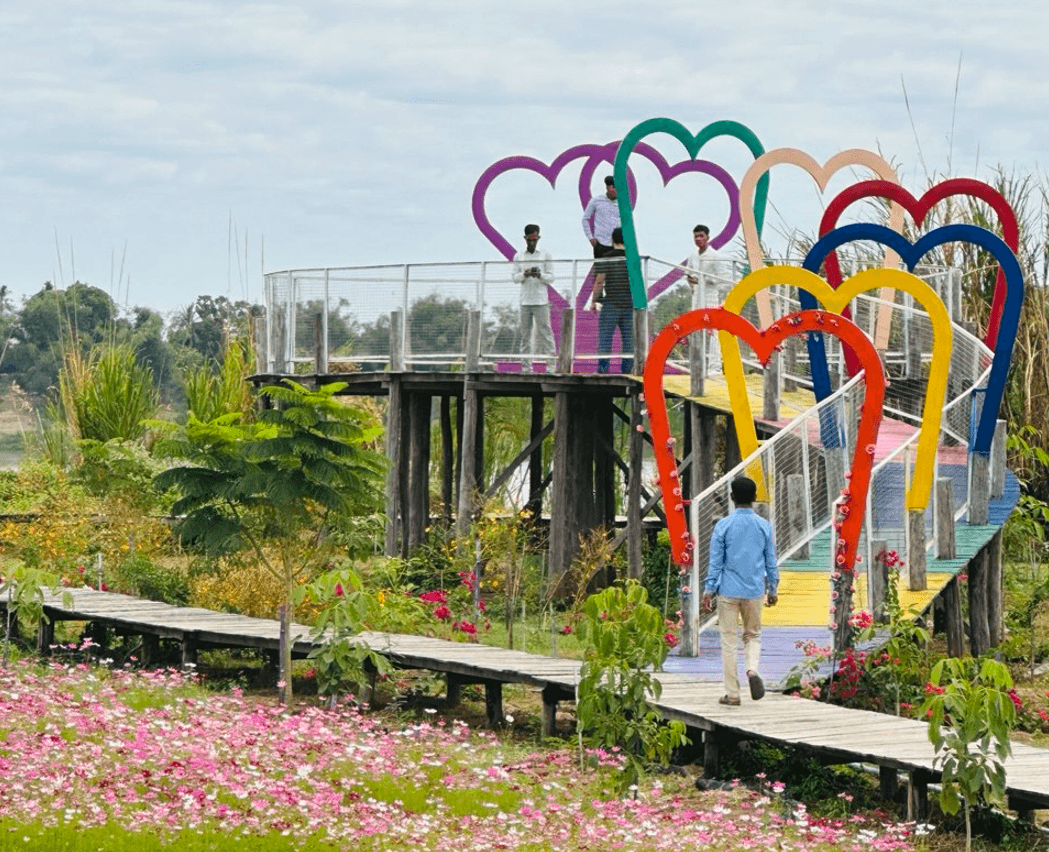
Six months after we launched Dream Garden, our waiting areas were packed with daily queues of over 150 guests waiting to buy admission tickets.
As a business owner, seeing ticket sales surge by over 40% in just a few months brings a genuine kind of joy that is hard to put into words. But none of it happened by accident.
The guests who found us and walked through our doors got there because of deliberate, structured advertising decisions we made from day one.
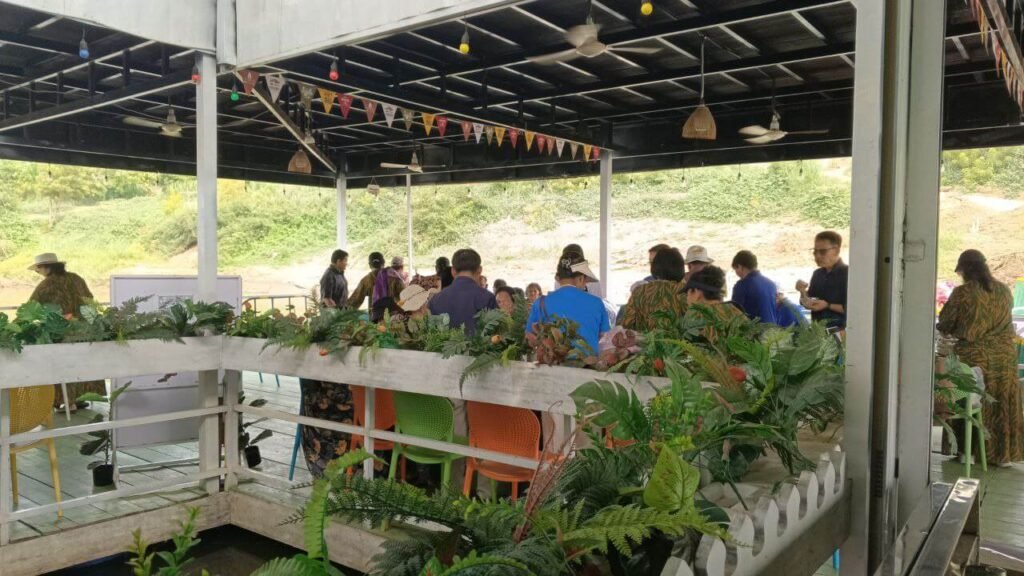
These marketing tips for a flower garden attraction shaped our strategy at Dream Garden, and they apply whether you run a small local flower farm or a full-scale regional nature tourism destination.
Key Takeaways
- Define one clear advertising objective (like brand awareness or ticket sales) before creating any content or launching any Facebook or Instagram campaign.
- Build a detailed customer persona for garden tourism to guide every creative decision and tailor the experience to their specific stress points.
- Create original, highly specific visual content so viewers instantly recognize your unique location rather than a generic landscape.
- Audit your campaigns on a regular schedule, reviewing analytics to catch low-performing ads before your budget is wasted.
- Treat continuous improvement as your primary mechanism for building long-term visitor trust and driving repeat visits.
Tip 1: Set One Specific Objective Before You Advertise
Before promoting anything to your customers, you need to know exactly why you are advertising. Is the goal initial brand awareness? Doubling weekend ticket sales? Driving repeat visits for the holidays?
Pick one definitive answer before you write a single caption, open your Facebook Ads Manager, or plan a single post.
This is the exact question our team sat down to answer before we ran any campaigns. After working through our options together, we landed on a single priority: local brand awareness.
We needed people within a 50-mile radius to know Dream Garden existed before we could ask them to spend money to visit.
That one decision shaped everything that followed. Because Dream Garden offers a wide variety of entertainment experiences, promoting everything at once was never going to work. We chose to lead with one signature feature: our Bridge to Heaven.
We designed this highly elevated bridge to be flanked by vibrant, colorful flowers on both sides.
When guests walk up to it, they are treated to a panoramic view of the entire garden spread out below them. We put our entire initial advertising budget behind boosting images of this specific bridge on local community pages.
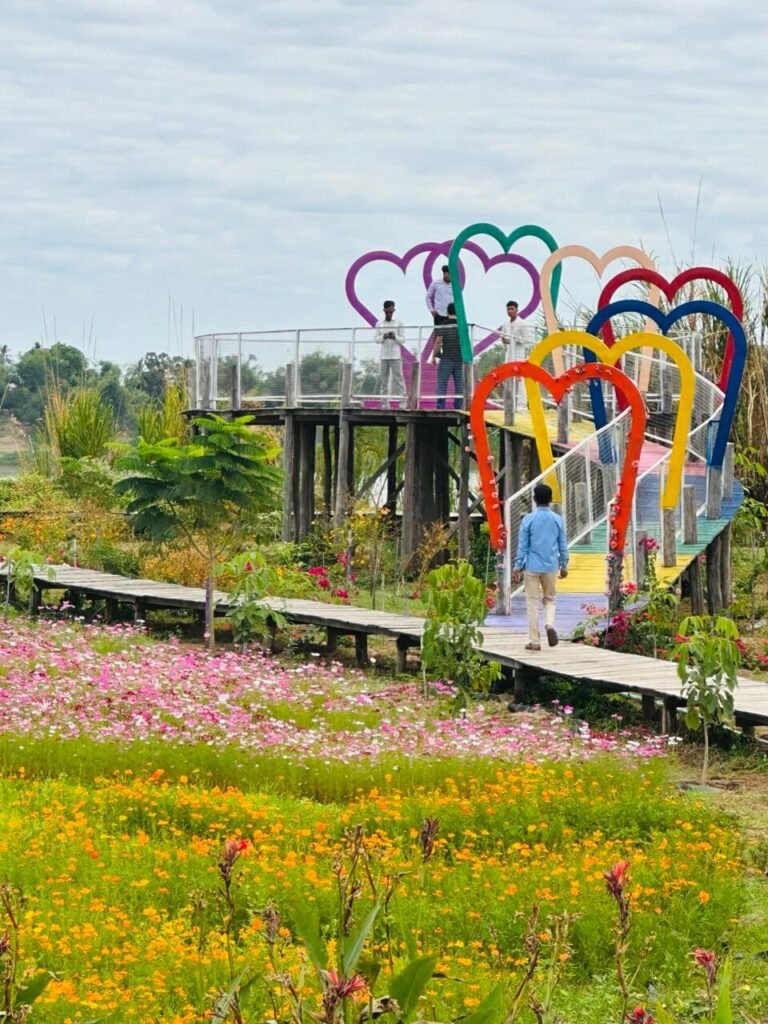
The lesson is direct: define your promotional goal first, then choose the single architectural feature or story that best represents it to your local market.
Tip 2: Know Your Customer Persona for Garden Tourism
Your customer persona is the absolute heart of any garden marketing strategy. Who exactly visits a place like yours? What is their age, income level, and what are they genuinely looking for when they book a ticket?
After clarifying our brand awareness objective, we turned to this question with real focus.
We utilized Google Analytics and basic market research to define our core audience as young adults and working professionals under the age of 45.
The reasoning behind that choice was highly strategic. Dream Garden is designed to be a relaxing, stress-relieving sanctuary, especially for people with demanding corporate or city jobs.
After a hard-working week, stepping into our flower fields and sitting down to watch the sunset with the beauty and scent of our sunflowers around you delivers a sense of peace that is genuinely difficult to find elsewhere.
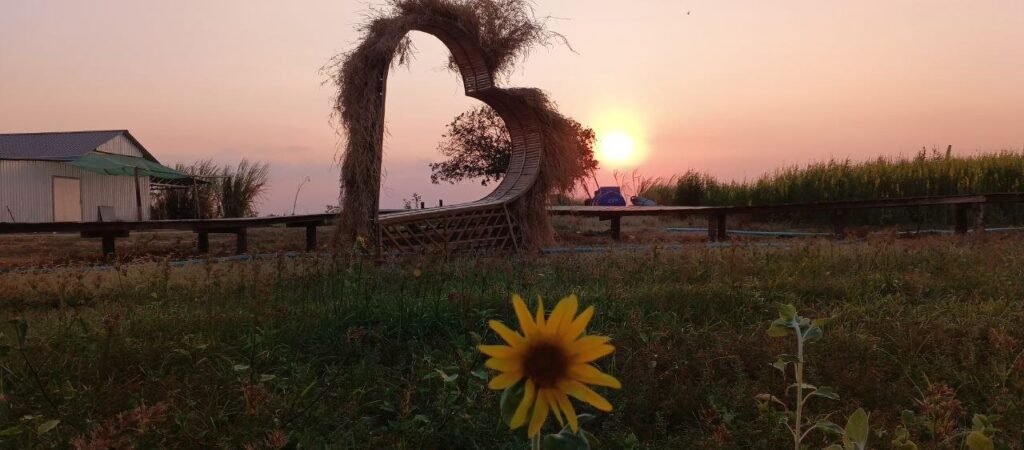
Knowing that gave us a precise picture of exactly who we were targeting with our Instagram Reels and TikToks.
Every piece of content, every caption, and every photograph we chose to share was filtered through that understanding.
Skipping this step means creating content that speaks to no one in particular, which is the fastest way to waste your daily ad budget.
Tip 3: Content Marketing Ideas Begin With Extreme Relevance
Content creation is one of the most powerful organic tools a garden attraction has. But the type of content you create matters just as much as how often you publish it on your Google Business Profile or social media accounts.
Your posts, videos, and photographs need to connect directly to what your attraction actually offers.
Publishing generic stock photos or content that has nothing to do with your core experience actively erodes consumer trust.
Visitors start to wonder what your garden is really about when your feed looks like it could belong to any generic landscaping business.
Effective content marketing for a garden attraction requires four things working together: creativity, strong visual design, awareness of current social media audio trends, and a precise understanding of what makes your specific place different.
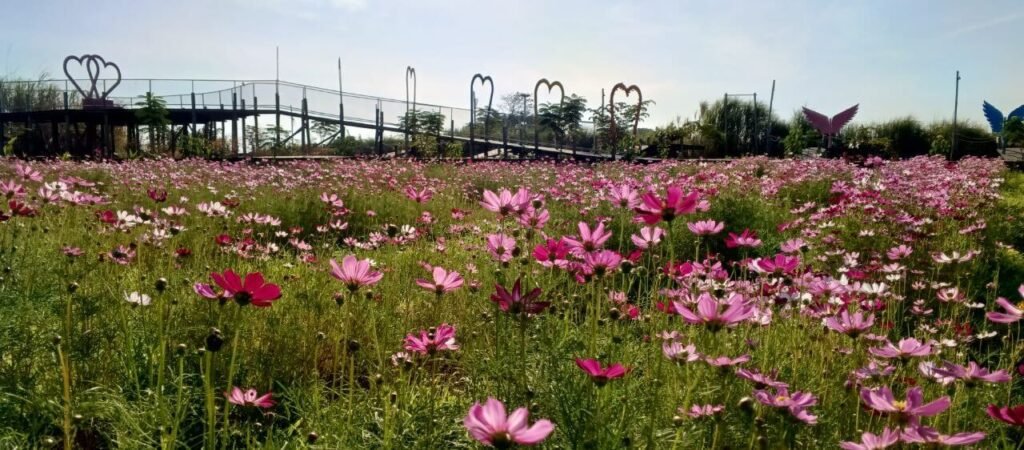
For Dream Garden, the answer was visual storytelling. The vivid pink of the cosmos flowers, the geometry of the Bridge to Heaven, a single sunflower catching the last light of a setting sun—these images communicated the experience far better than any 500-word written description ever could.
The practical rule is simple: if a piece of content could belong to any business in any industry, it is not doing its job.
Tip 4: Audit Your Campaigns Before Problems Compound
Every marketing campaign, however carefully planned, will produce mistakes. Accepting that reality early is the foundation of a professional, consistently improving operation.
Regular campaign audits mean reviewing two things in parallel: your overall strategy and your individual pieces of copywriting.
Are your Facebook ads attracting the audience you defined in step two? Are your captions communicating the objective you set in step one? Are people engaging with the content you expected to perform well?
For example, during our first month, our campaign audit revealed a critical error: our afternoon photos were performing terribly.
The midday sun created harsh shadows, making the vibrant flowers look dark and uninviting on mobile screens. Because we audited the campaign early, we immediately shifted our photography strategy to shoot only during the “golden hour” (just after sunrise or just before sunset). Engagement on our new, well-lit photos skyrocketed by over 60% within a week.
Build this audit habit into your calendar from the beginning. Do not wait for a campaign to drain your budget before reacting; make analytics review a routine part of how you run your garden business.
Tip 5: Adapt and Innovate to Build Lasting Visitor Loyalty
One successful viral video or ad campaign does not build a brand. What builds a long-term, profitable brand is the accumulation of consistent, improving effort over time.
At this final stage, the work is to take what your data audit revealed, correct the mistakes, and push your creative output further.
Do not simply repeat what worked last season. Actively look for ways to make your content stronger, more relevant, and more resonant with your target audience.
For a flower garden attraction, this means introducing new visual elements to keep the experience fresh.
We realized that to get repeat visitors, we needed to offer new photo opportunities. We adapted by building vibrant, colorful cabins right in the middle of our flower fields.
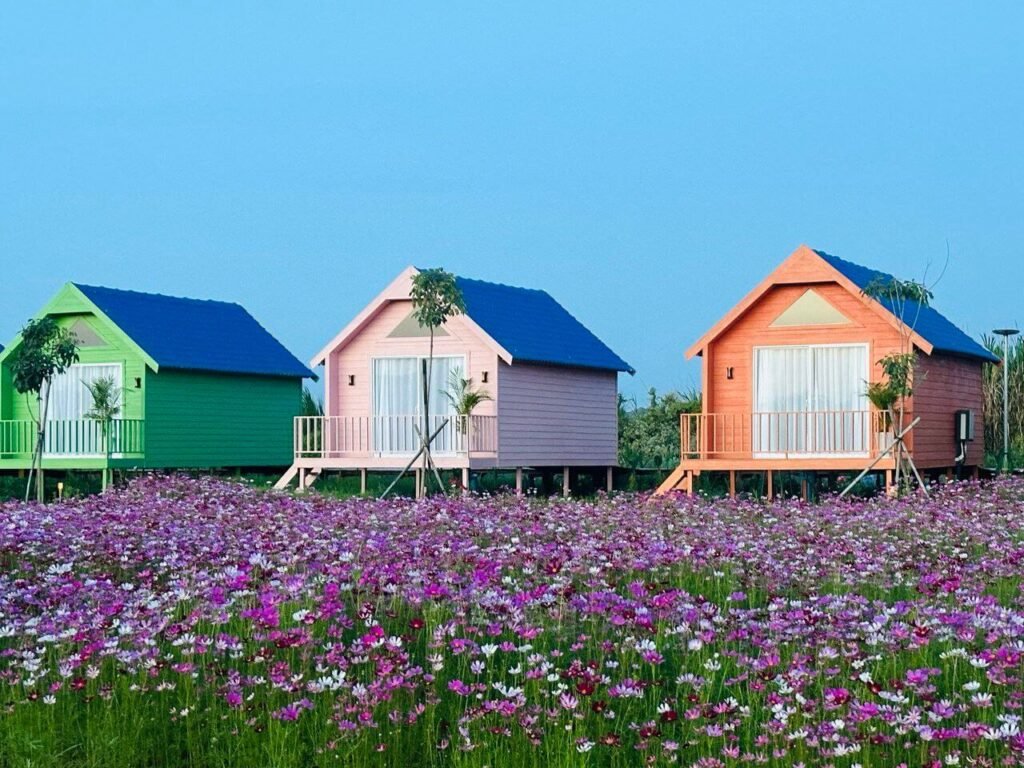
The gardens and attractions that build lasting visitor loyalty are the ones that keep surprising their audience.
If your goal is to build brand awareness for a new garden attraction, continuous physical and digital improvement is the most reliable path.
Putting These Garden Marketing Tips Into Practice
The framework behind Dream Garden’s growth is not complicated, but it requires discipline. It starts with one honest question: why are we advertising?
Every decision that follows—from building the customer persona for garden tourism, to selecting the right Instagram aesthetic, to scheduling the next ad audit—flows from that single answer.
Define your objective. Know your visitor. Create content that could only belong to your garden. Audit what you build. Improve what you find.
That sequence is exactly what filled our waiting areas six months after launch, and it is exactly what will build yours.
Frequently Asked Questions
What should a flower garden attraction do before launching its first marketing campaign?
Set one clear advertising objective first. Whether that is brand awareness, ticket sales, or repeat visits, your objective determines every other decision: who you target, what you create, and how you measure success. Starting without one means your campaigns will work against each other.
How do you figure out who your target visitor is for a garden tourism business?
Begin by asking who your garden experience was actually designed for. Think about the physical environment, the emotional atmosphere, and the kind of visitor who would find it most meaningful. For Dream Garden, a stress-relieving outdoor sanctuary with striking visual scenery pointed directly to young adults and working professionals under 45.
What content works best on social media for a flower garden attraction?
Visual content that captures something no other business could replicate: the specific light at your location, the specific flowers in bloom, the specific feeling of standing in your garden. Generic motivational or lifestyle content fails because it gives visitors no reason to choose your attraction over anywhere else.
How often should a small garden business review its marketing performance?
Short, regular reviews consistently outperform occasional deep audits. A monthly check covering both your overall strategy and your individual copywriting keeps mistakes from building up and keeps your content improving at a steady pace rather than in reactive bursts.
How long did it take Dream Garden to build enough brand awareness to fill its queues?
Roughly six months after launch, our waiting areas were consistently full of guests queuing for admission. The specific timeline will vary based on your market size and resources, but patient, audience-specific content applied consistently is the realistic path to getting there.
