

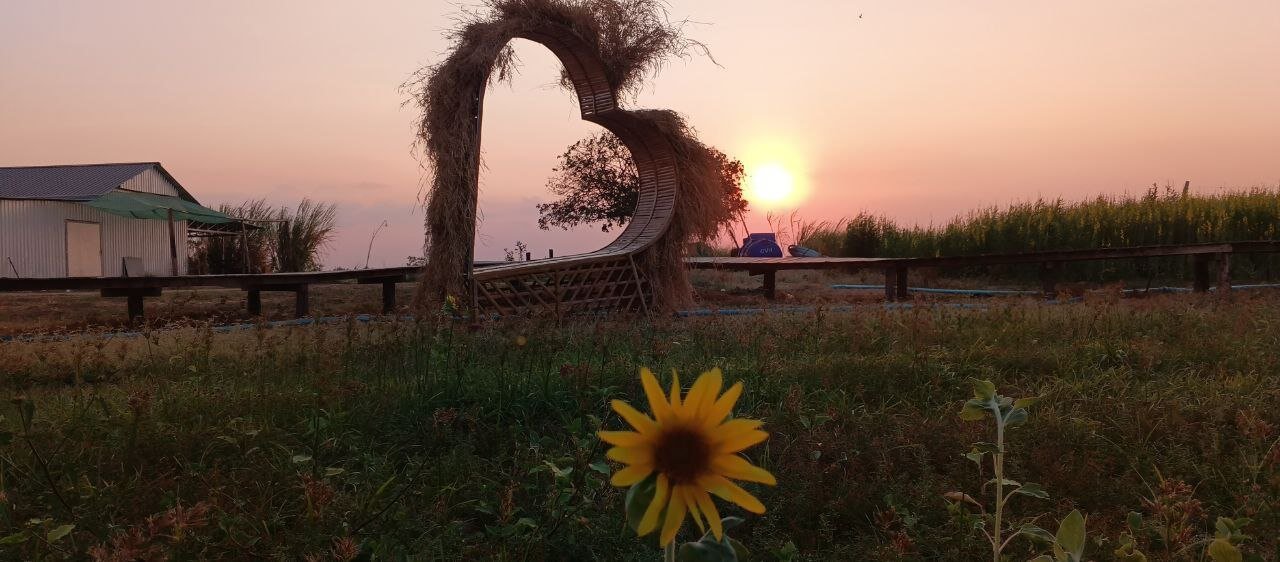
If you walked through our Dream Garden in the late afternoon, you’d probably do what everyone else does.
You’d stop, smile, and admire the sunflower standing beside our hand-built heart structure, glowing gold in the last light of the day. That’s the easy reaction.
The harder question, the one almost nobody asks, is why this sunflower is standing completely alone, why its leaves look a little weary, why the grass all around it has withered to nothing.
That question is where the real story of sunflower symbolism and resilience begins.
Key Takeaways
- A single sunflower blooming alone in dead, sun-scorched ground is the starting point for the symbolism of sunflowers and resilience.
- The mud represents hardship, the stem represents quiet strength, and the bloom represents peace earned only after the struggle.
- A real garden failure and a second attempt that worked mirror the same pattern the flower shows.
What Does a Lone Sunflower Symbolize in the Mud?
Have you ever felt like your life was trapped in an environment that refused to forgive you? Weighed down by hardship, judged by people who never saw the effort, stuck deep in the mud beneath a sun that wouldn’t let up.
This sunflower knows that feeling. The heat that scorched the ground around it killed everything else nearby: the grass, the smaller plants, anything without deep enough roots to survive. Only this one stem held on.
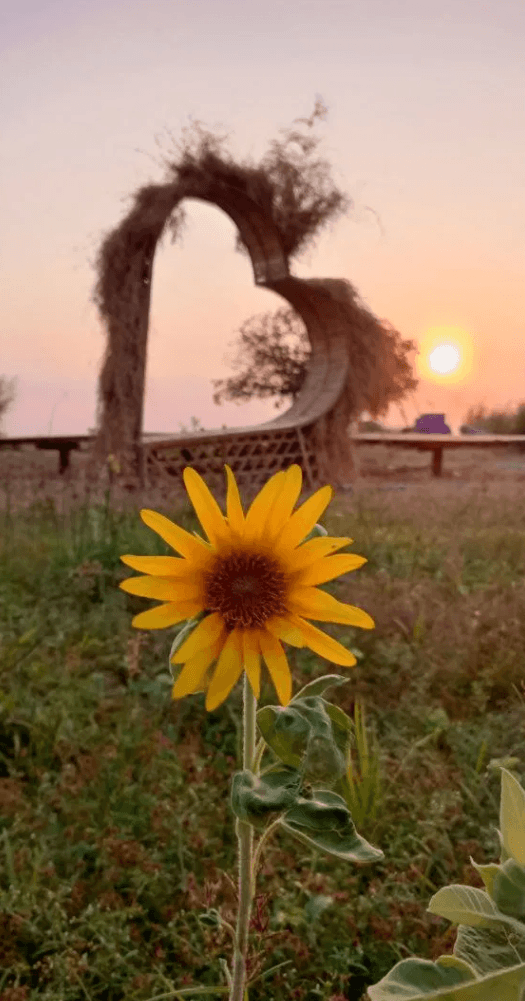
Nature doesn’t explain itself, but it shows you the answer if you watch closely enough. The sunflower pushes its roots through hard, unforgiving earth.
It endures heat that kills weaker things. And still, it reaches upward until it breaks the surface and blooms, without a single stain of mud left on its petals.
Every afternoon, after finishing the day’s work and watering the garden, I sit and watch this flower against the sunset.
Some days I cry. Other days I feel something closer to pride. Because its journey is my journey, told in a language I didn’t expect to understand so completely.
Sunflower Meaning After Failure
When I first launched Dream Garden, I planted rows of flowers, and watched nearly all of them die within three months.
Tropical weather doesn’t negotiate: brutal heat in the dry season, then rain heavy enough to turn every flower bed into standing mud. I was a novice, and I made every mistake a novice makes, in watering, in soil, in timing.
If you are currently struggling with these exact landscaping issues, I break down the step-by-step solutions we used to save our crop in my technical guide: How to Grow Sunflowers in a Tropical Climate: Fixing Root Rot and Fertilizer Burn.
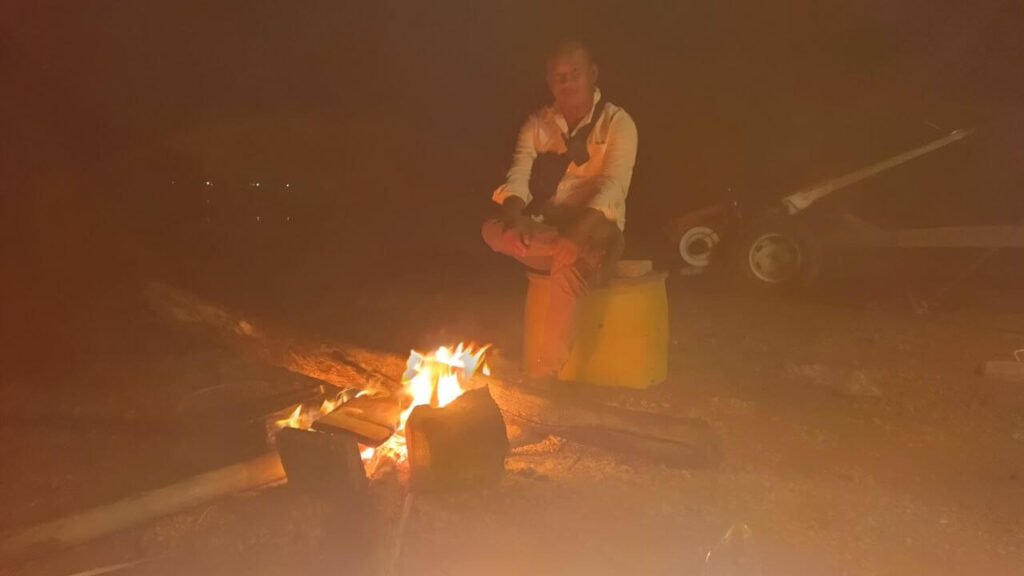
There were nights I sat by a fire long after everyone else had gone. Not because I wanted the warmth, but because I didn’t know what else to do with the disappointment. That’s the part people don’t see.
They see the flower. They don’t see the man staring into the flames wondering if he’d made a mistake he couldn’t undo.
But I kept the same vision and changed my strategy. I started over: scorched by the same sun, covered in the same dirt, but paying attention this time to what the land was actually telling me. Slowly, row by row, the garden came back.
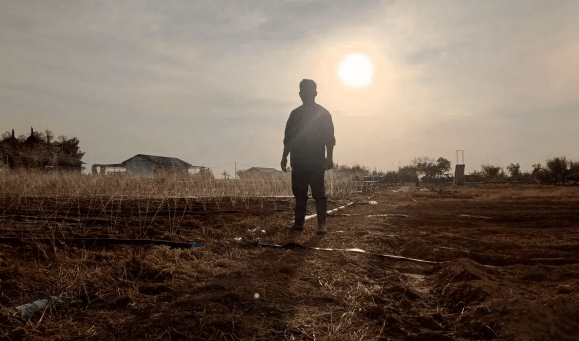
Now, when people see this single sunflower, they just say it’s beautiful. When I was failing, I carried real despair. When I finally succeeded on the second attempt, the same people simply said, “They got lucky,” or “They must have had help.” No one asks about the mud. They only see the bloom.
That gap, between what people see and what actually happened, is at the center of sunflower meaning after failure. The bloom looks effortless. The three months before it were not.
Why Sunflower Symbolism and Resilience Go Together
This is what I’ve come to believe the sunflower represents:
- The Mud and the Scorching Heat. Life’s harshest obstacles: heartbreak, failure, the seasons that test whether you’ll quit.
- The Stem and Inner Strength. The quiet, unglamorous patience it takes to keep growing when nothing around you is growing with you. This is where sunflower symbolism, strength, and inner fortitude meet, not in the bloom, but in the plain, invisible work of the stem.
- The Radiant Bloom. The success, self-worth, and peace that only arrive after the struggle, never before it.
Sunflower symbolism and resilience aren’t separate ideas. One is simply what the other looks like once it’s finished growing.
If You’re Standing in the Mud Right Now
Don’t lose heart if you’re in a hard place, surrounded by circumstances that seem determined to pull you down. It doesn’t matter how harsh your environment is right now.
If you hold on to your inner fortitude, keep faith in yourself, and protect your heart from the noise trying to convince you to quit, you will rise.
You will stand tall. And when you finally bloom, you won’t carry a single trace of the mud that tried to keep you down.
“You will rise. You will stand tall. And when you finally bloom, you won’t carry a single trace of the mud that tried to keep you down.”
Sunflower Symbolism and Resilience: The Takeaway
The sunflower in our Dream Garden didn’t bloom because conditions were easy. It bloomed because it kept growing after everything around it gave up.
That’s the real center of sunflower symbolism and resilience: not the gold petals people admire in passing, but the mud, the heat, and the quiet stem that came before them.
Frequently Asked Questions
What is the meaning behind a sunflower blooming completely alone?
It usually points to survival against odds that killed everything around it. In this story, the surrounding grass and smaller plants died from the same heat the sunflower endured, so the flower standing alone is really a record of what it outlasted.
How does mud and heat factor into sunflower symbolism?
The mud and heat stand in for life’s hardest obstacles, like heartbreak or failure, and the seasons that test whether someone will quit. They’re the conditions the flower has to push through before it ever blooms.
What can a sunflower teach about recovering from failure?
In this story, a first attempt at a garden failed within three months. A second attempt, built on the same vision but a changed strategy, succeeded. The flower’s growth mirrors that same pattern of failing, adjusting, and trying again.
Why do people connect sunflowers with inner strength?
The strength isn’t in the visible bloom. It’s in the stem’s quiet, unglamorous patience, growing steadily even when nothing nearby is growing with it.
What’s the difference between the sunflower’s mud, stem, and bloom symbolism?
The mud and heat represent hardship, the stem represents the inner strength it takes to keep going, and the bloom represents the success and peace that only show up after the struggle is over.
