


If you walk through Dream Garden today, you will probably feel what most visitors feel. Crisp air, blooming flowers in every direction, a breeze carrying sweet fragrance, and a crimson sunset painted across the sky.
That beauty took years to earn. The garden business marketing lessons behind it came from a much harder place: a business that was quietly failing.
When I launched Dream Garden in mid-2019, I had almost no visitors within six months. Worse, I was losing the customers I already had. The garden itself was not the problem. My messaging was, and specifically, my marketing strategy was.

By 2021, after a year of trying to fix it, the business failed. I relaunched with a second attempt (you can read that story here: How to Bounce Back From a Failed Garden Business), and it was during that rebuild that these garden business marketing lessons became clear. Few people talk about them honestly, so here is what actually changed things for me.
Key Takeaways
- Selling features and low prices repelled customers. Selling the experience of relief and connection brought them back.
- Trust and honesty, not persuasion tactics, kept visitors returning month after month.
- Listening to customer feedback directly shaped which attractions we built next, including Heaven’s Bridge.
- Growth was gradual, not overnight, and it compounded once the messaging changed.
Lesson 1: Sales Is About Solutions, Not Products
In my early marketing, I constantly listed out Dream Garden’s feature zones, specifications, and product quality. Customers did not care about any of that. What they actually wanted to know was simple: how does this solve my problem?
Most of my visitors needed a quiet sanctuary in nature. They needed a place to unwind and recharge after an exhausting workweek. Talking about feature zones and price points never answered that need.
Sell Benefits and Experiences, Not Features and Price
Here is what my original sales pitch sounded like:
“My Dream Garden has many viewing zones, and best of all, our prices are very affordable. If you bring a large group, you’ll get a bigger discount!”
Read that back. It is entirely about price. There is no emotional connection and no solution to the fatigue and stress visitors were carrying from their week.
After learning from that mistake, I shifted the message:
“At Dream Garden, there is a serene spot where you can sit and watch the sunset right beside our handcrafted heart monument, surrounded by blooming flowers and a gentle, fragrant breeze. You can let your mind drift to the soothing sounds of rustling leaves and birdsong while capturing unforgettable memory photos.”

That is the difference between selling a product and selling a solution. To make this shift stick, I had to deeply understand customer pain points before I ever pitched anything.
That meant listening far more than speaking, asking open-ended questions to uncover real challenges and desires, and only then positioning the visit as the solution to those specific pains.
Lesson 2: How to Build Trust With Customers Before You Ask for a Sale
This second launch happened right after a failure, so resources were tight. We could not build every visitor attraction zone at once.
I remember when we had just finished a small, cozy relaxation cottage and wanted returning visitors to know about it. With a warm smile and welcoming posture, I told them:
“Look over there: see those colorful roofs? You can sit there to watch the sunset, walk up to the Sky Bridge, or if you prefer total privacy, relax on the back deck we built specifically for peaceful downtime. We haven’t planted the surrounding flowers yet, as our team is currently setting them up.”

Notice what that message includes: an honest admission that the flowers were not planted yet. That honesty is the whole point of building trust with customers.
People buy from, and return to, places managed by people they trust, and rushing a sale before that trust exists tends to backfire.
Being an advisor rather than a salesperson matters here too. Sometimes the honest answer is that a visit is not the ideal fit for someone right now, and saying so builds far more long-term loyalty than pretending otherwise.
Authenticity over pretense is not a soft skill in this business. It is the strategy. Customers sense insincerity quickly, and once they feel deceived, they do not come back.
Lesson 3: Why Listening Skills in Sales Matter More Than Talking
This single lesson played the biggest role in making Dream Garden popular again.
After listening closely to a large amount of customer feedback, one desire kept coming up: visitors wanted an elevated vantage point where they could take in the entire panoramic view and capture stunning photos.
We could not fulfill every single request that came in, but after seven days of internal team discussion, we reached a consensus. We built an elevated structure called Heaven’s Bridge, framed with heart arches, at the highest point of the property.

Listening skills in sales are not passive. Listening intently means not waiting for your turn to speak, but actually comprehending both verbal feedback and non-verbal cues.
Asking open-ended questions—ones that require more than a yes or no answer—uncovers the deeper needs underneath a casual comment.
Talking less while delivering more targeted solutions works because excessive talking only overwhelms or bores your guests. The more you listen, the clearer the right solution becomes.
Lesson 4: Value Creation Over Pricing Wins Long-Term Customers
Once the messaging and the trust were in place, the next lesson was about what happens after someone decides to visit.
Value creation over pricing means going beyond the core attraction itself. That includes outstanding hospitality, memorable experiences, and thoughtful recommendations along the way.
Exceeding expectations, rather than competing on discounts, is what creates deep satisfaction.
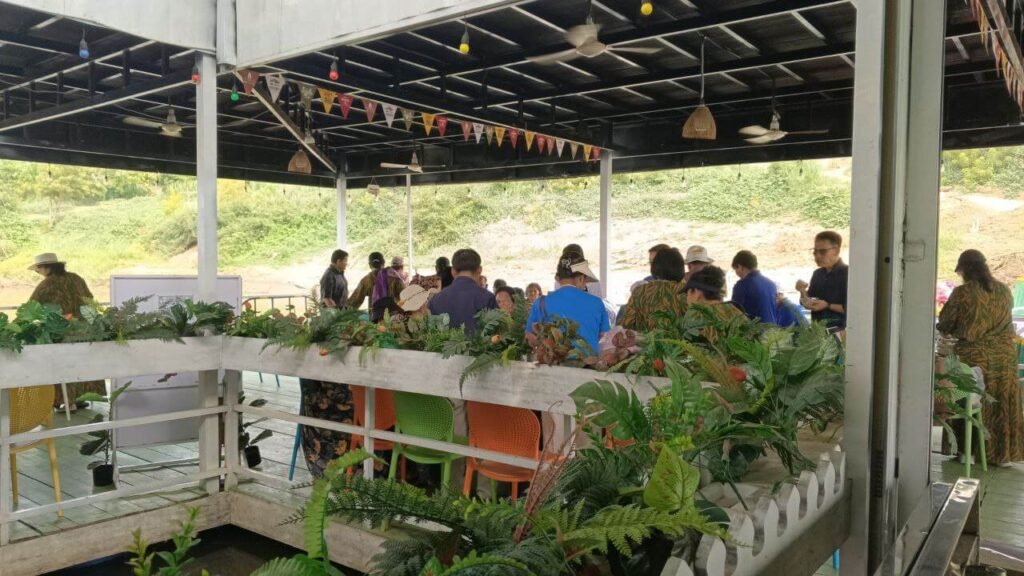
Part of that value comes from a seamless customer journey. The entire experience needs to be frictionless and enjoyable, starting with the first inquiry on social media and continuing through post-visit follow-ups.
For a related walkthrough, see our guide on improving the customer journey at your attraction.
Not every inquiry converts, and that is fine. Embracing rejection as learning means not forcing a sale when someone is not the right fit. Instead, analyzing why someone chose not to buy becomes data that fuels real business growth.
Lesson 5: Learning From Sales Failure Never Really Stops
Applying these changes did not create an overnight miracle or instant crowds at the ticket counter. But the results were real. We retained our existing customer base and saw steady, compounding growth in new visitors every single month.
Learning from sales failure means analyzing every outcome, win or lose, to see what worked and what needs refinement.
It also means studying successful entrepreneurs and marketers through books, case studies, and practical training, rather than assuming you already know enough. For more on the earlier failure itself, see how the first version of Dream Garden struggled.
The market and consumer expectations keep evolving, so adapting continually is not optional. Continuous learning and agility are what let a small garden business survive long enough to see the compounding growth pay off.
Garden Business Marketing Lessons: The Bottom Line
The true secret of sales was never about tricks or aggressive tactics. For Dream Garden, it came down to understanding human emotion, building authentic relationships, and committing to ongoing self-improvement.
These garden business marketing lessons will not turn a struggling attraction around overnight. But applied consistently, they are what took Dream Garden from losing customers within six months to steady, compounding growth, and they are what will help you build a trusted, resilient, and influential business brand of your own.
Frequently Asked Questions
What is the biggest mistake new garden attraction owners make in their marketing?
Leading with features and price, rather than the emotional benefit a visitor is looking for. Listing viewing zones and discounts does not connect with what most visitors actually want, which is relief from stress and a memorable experience.
How do you get customers to trust a small, newly relaunched garden business?
By being honest even when the offering is incomplete, such as admitting that flowers have not been planted yet, and by acting as an advisor rather than pushing for a quick sale. Trust builds through consistency, not persuasion.
Why is listening more important than talking in garden business sales?
Because the clearest path to the right offer comes from understanding what customers actually want. At Dream Garden, direct listening to visitor feedback led to building Heaven’s Bridge, a feature that became central to the attraction’s popularity.
How long does it take to see results after changing a sales approach?
For Dream Garden, there was no overnight miracle. Results came as steady, compounding growth in new visitors month over month, alongside retention of the existing customer base.
Should a garden business compete on price to attract more visitors?
No. Competing on discounts and low pricing was part of what nearly sank Dream Garden the first time. Value creation, through hospitality, experience, and a smooth customer journey, proved more effective long term.
