


The first year of starting a new business is a battle against your own doubts. In 2018, I planned to start a flower attraction business called “Dream Garden.” But thoughts like “The timing isn’t right” and waiting for perfection got in the way.
Fear of failure is real in agriculture, and I let it run me. I wasted over a year just waiting.
The words you say to yourself every day are the first thing that must change when you shift from a fixed mindset to a growth mindset.
Here are six hard-won lessons from building Dream Garden, and the exact phrase changes that moved me from waiting to taking action.
Key Takeaways
- Action over perfection: Adding “yet” to “I don’t know how” lets you take concrete steps—like building garden beds—while you learn.
- Failures provide data: Losing an entire crop of sunflowers was not a personal failure; it was the exact push needed to learn how to correct our soil pH for a tropical climate.
- Effort beats frustration: Swapping “this is too hard” for “this requires time and effort” gives you the patience needed during heavy manual site preparation.
- Reframe your perspective: Shifting from “I have to do this” to “I have the opportunity to do this” turns exhausting physical work into an act of gratitude.
Growth Mindset Phrases for New Entrepreneurs at a Glance
| Instead of saying… | Try saying… | How it helped Dream Garden |
| “I can’t do it” | “I don’t know how to do it yet” | Allowed us to start building the star-shaped bed using paint cans instead of waiting. |
| “Why is this happening to me?” | “What is this challenge teaching me?” | Pushed us to test our soil and discover sunflowers need a 6.0 – 7.5 pH. |
| “I have to do this” | “I have the opportunity to do this” | Turned exhausting site preparation into an act of gratitude. |
| “I failed” | “This method isn’t working yet” | Helped us quickly switch to new planting strategies when the first crop died. |
| “It’s too hard” | “It will require more time and effort” | Kept us patient during the heavy manual labor of tilling the fields. |
| “What will they think of me?” | “What will I think of myself?” | Gave me the courage to keep building until the Tiny Homes and flower fields succeeded. |
1. Building the Star-Shaped Flower Bed When I Didn’t Know How
In mid-2019, I finally broke ground on the flower attraction business. When I arrived at the empty site to prepare the first flower garden, my mind went straight to, “I can’t do this.”
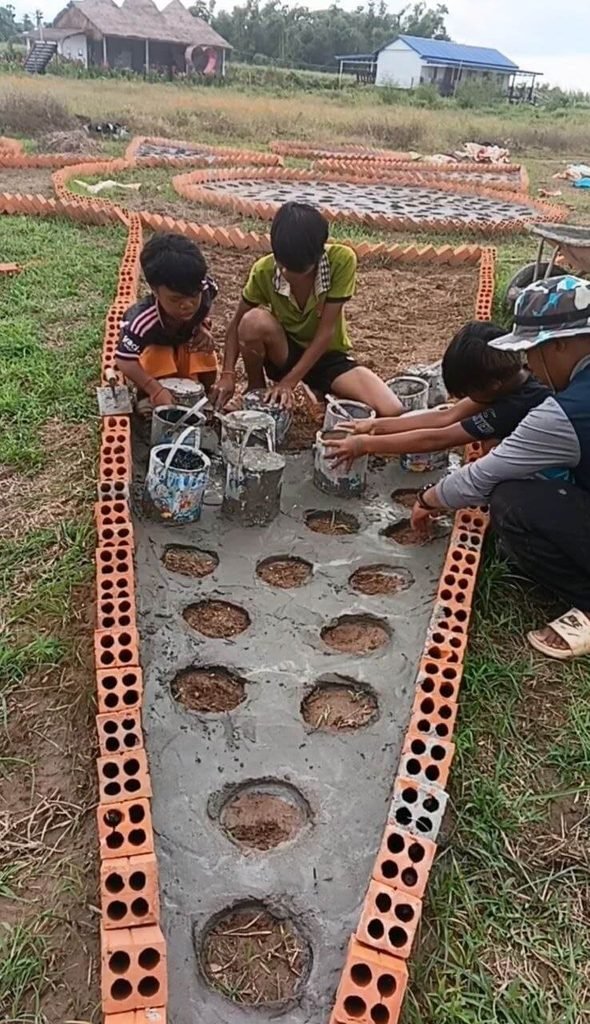
Don’t tell yourself it is impossible. By changing “I can’t do it” to “I don’t know how to do it yet,” you remind your brain that you are not incapable; you just need to learn by doing.
Instead of freezing, I led my team in creating a star-shaped flower bed. We started small, drawing a star directly on the ground.
We arranged bricks vertically along the outline and creatively used 5-liter paint cans to form perfect circles for planting the flowers. That task let me take concrete action and correct mistakes as I learned.
2. Losing the First Sunflower Crop (And Fixing Our Soil pH)
After operating for about 3 to 6 months, I faced a major agricultural setback. My entire first crop of sunflowers died. It was a combination of unexpected weather and, in particular, a poor fertilizer mixing technique on my part.
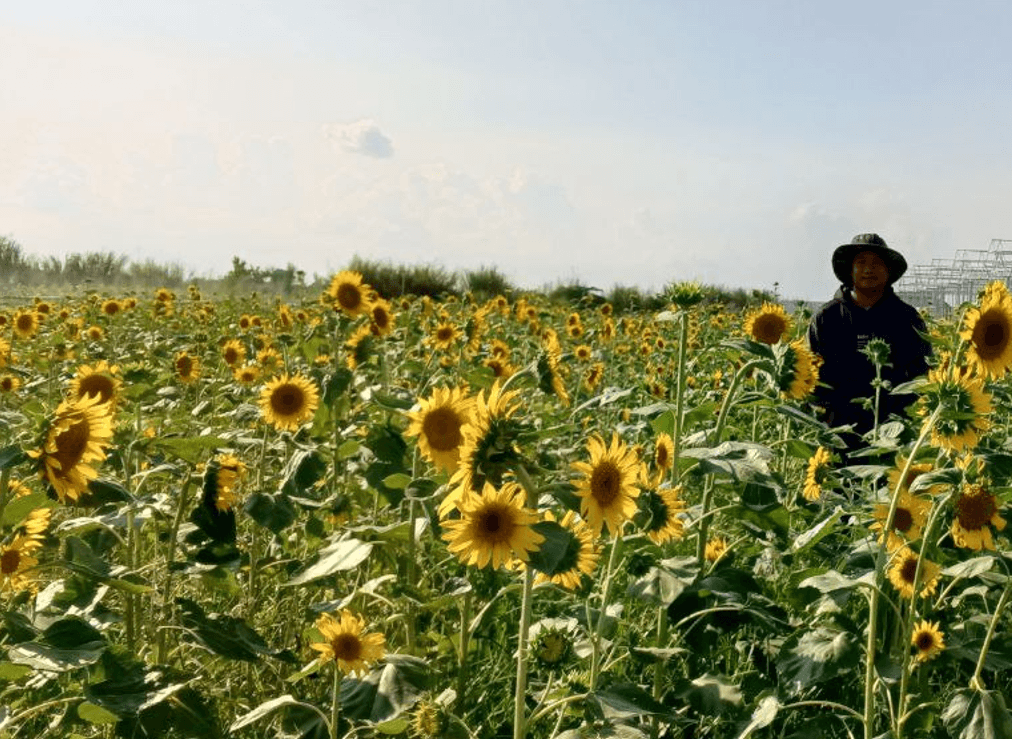
Feeling sorry for yourself and asking, “Why is this happening to me?” only leads to despair. I had to shift my mindset to ask: “What is this challenge teaching me?”
Turning that obstacle into a lesson allowed me to diagnose the real issue. Ultimately, I discovered that sunflowers need a soil pH between 6.0 and 7.5 to absorb nutrients effectively in our environment. By fixing the soil, we eventually achieved vibrant, healthy sunflower fields.
I cover the exact soil science in my upcoming guide: How to Grow Sunflowers in a Tropical Climate.
3. Rethinking Tropical Site Preparation When Strategies Fail
When crops die, or plans collapse, it is easy to say, “I failed.” But failing at something doesn’t mean you are incompetent. It simply means this particular method is not right yet. Stop blaming yourself and swap “I failed” for “This method isn’t working yet.”
After the sunflowers died, I led my team to prepare the site from scratch again. We applied new strategies suited to a tropical climate, laid down proper ground cover to protect the soil rows, and improved our fertilizer application techniques to match the local soil conditions.
4. Finding Opportunity in the Empty Fields
My business is a flower attraction, which means the flower fields are the main focus. Staring at empty dirt while trying to regrow a crop is incredibly stressful. When you think “I have to do this,” you feel burdened and exhausted.
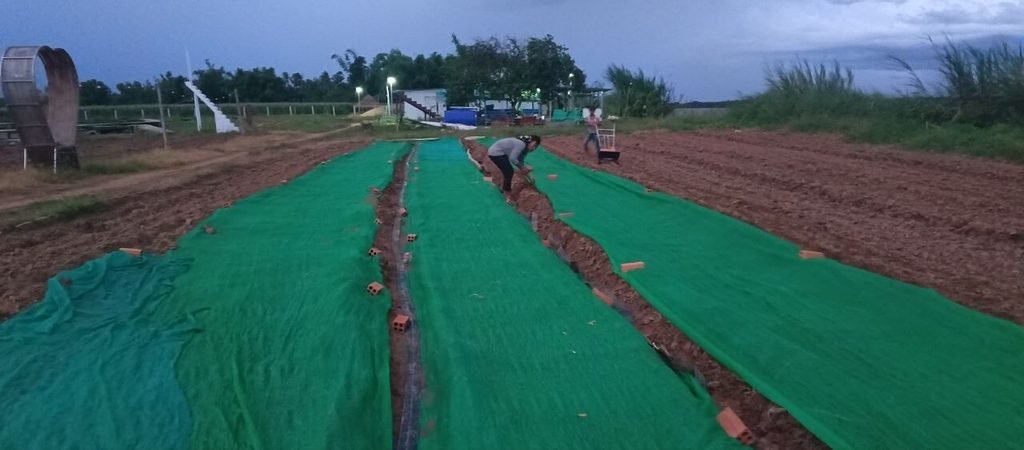
Shift your mindset to “I have the opportunity to do this” (or “I get to”). I couldn’t just sit and mourn the lost flowers or wait for luck. I had to act. Reminding myself that cultivating this land is a privilege transformed the heavy work into an act of gratitude.
5. The Physical Reality of Building Dream Garden from Scratch
In landscaping and horticulture, the word “hard” makes you want to drop your tools and give up immediately.
I poured my effort into building Dream Garden from small steps, doing heavy manual labor in the dirt, only to face failure before seeing full results.
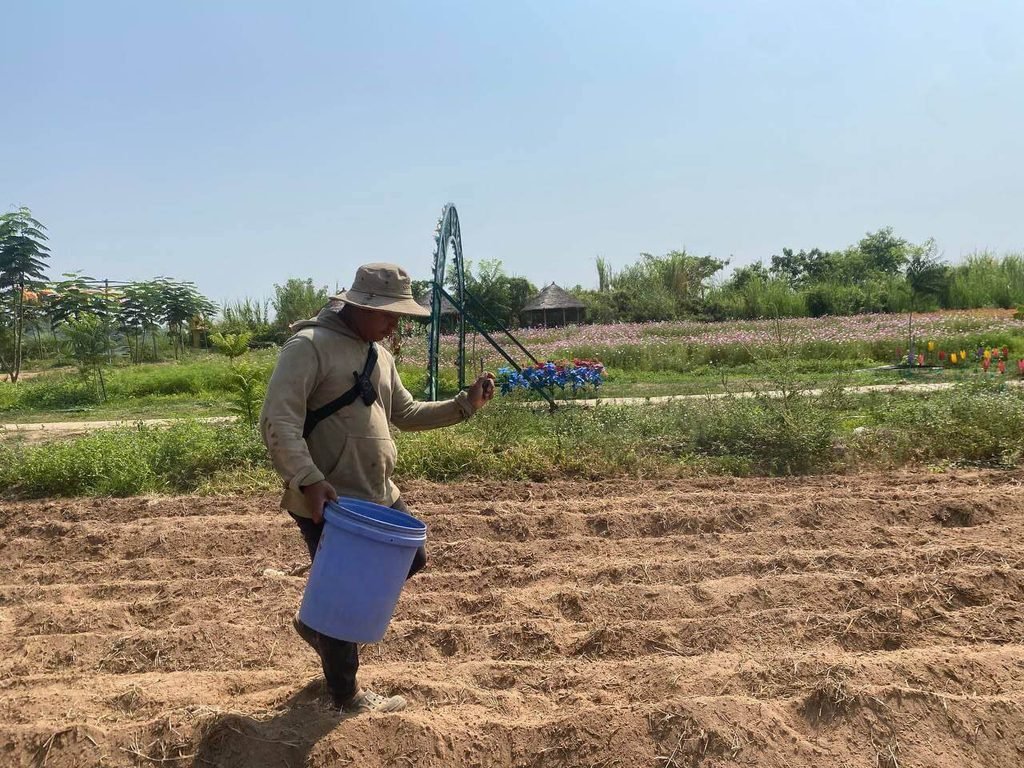
It was hard to accept. But because I saw the long-term vision, I changed from saying “It’s too hard” to “It will require more time and effort.” This subtle shift helps you stay patient and keep trying until the garden finally blooms.
6. Ignoring the Critics and Building the Tiny Home Attraction
When a business struggles early on, it is natural to panic and think, “If I fail like this, people will mock me. What will they think of me?”
Take your power and self-worth back. Change that phrase to “What will I think of myself?” I decided I wanted to be someone who persevered, stayed patient, and learned from agricultural mistakes. I was determined to show an amazing result someday.

And look at Dream Garden now. We have beautiful, brightly colored Tiny Homes floating amidst incredibly vibrant, colorful blooms. This is success built on failure.
The Bottom Line for New Entrepreneurs
The language you use with yourself every day has a profound impact on your decisions. Regularly practicing these growth mindset phrases builds mental resilience and paves the way for true growth—both in your mind and in your garden.
Frequently Asked Questions
How do I get past fear of failure before launching a business?
Fear of failure and waiting for perfection cost me over a year. Starting small gave me concrete action to take and mistakes to correct, and that is how I learned.
Why does adding “yet” to a sentence help?
It reminds your brain that you are not incapable and only need a little more time to learn. “I can’t do it” becomes “I don’t know how to do it yet.”
Does one failed attempt mean I’m not cut out for business?
No. Failing at something doesn’t mean you are incompetent. It means that particular method is not right yet, so try a new approach. That is what I did with my sunflowers.
How do I stop worrying about what people will think if my business fails?
Ask “What will I think of myself?” instead. That question takes power and self-worth back into your own hands. Then commit to persevering, being patient, and learning from your mistakes.
What soil pH do sunflowers need?
Sunflowers need a soil pH between 6.0 and 7.5 to absorb nutrients effectively. I learned this after my first sunflowers died, and I’ll share more in my tropical sunflower guide.
